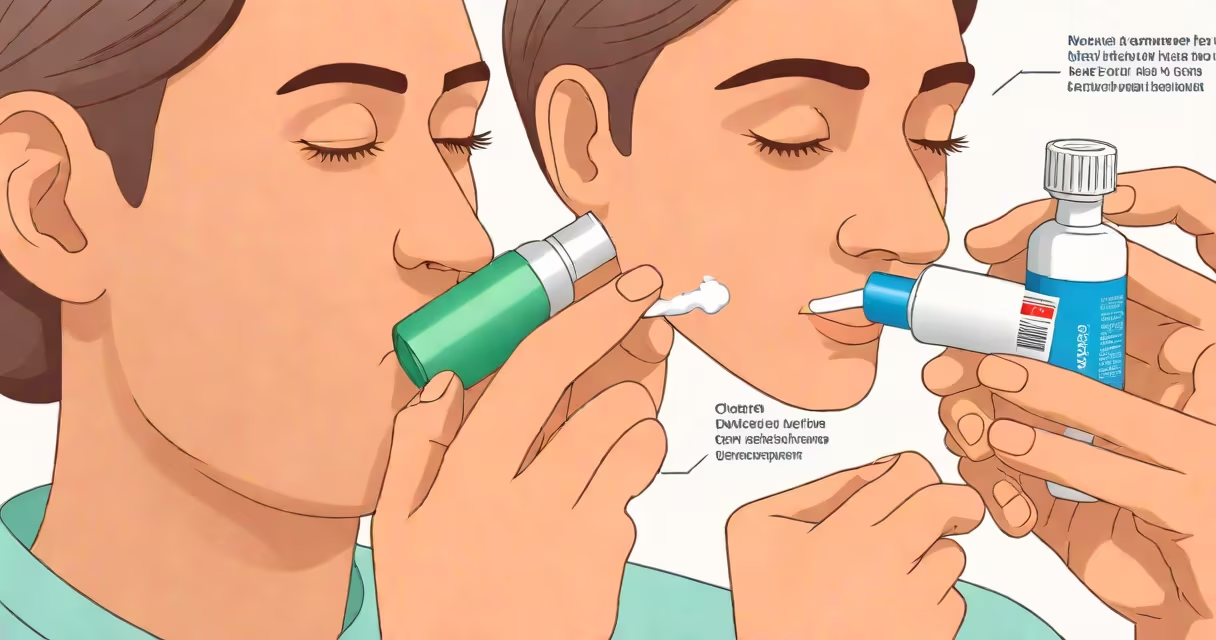
Nasal congestion occurs when swollen tissues in the nasal passages block airflow, often due to inflammation from allergies, colds, or sinus infections. Over-the-counter (OTC) medications such as pseudoephedrine, oxymetazoline, and certain antihistamines effectively reduce swelling and clear airways.
Decongestants work by narrowing blood vessels in the nasal lining, reducing fluid buildup and swelling. They come in oral forms (like pseudoephedrine) and topical sprays (like oxymetazoline). Antihistamines treat congestion caused by allergic reactions by blocking histamine, a chemical released during immune responses. Not all congestion responds to the same treatment-identifying the root cause improves outcomes.
According to the American Academy of Allergy, Asthma & Immunology (AAAAI), nasal congestion affects over 30 million Americans annually, with most cases managed through OTC remedies. The National Institutes of Health (NIH) notes that prolonged use of nasal spray decongestants can lead to rebound congestion, a condition known as rhinitis medicamentosa.
Oral decongestants like pseudoephedrine act systemically, reducing blood flow to nasal tissues. This shrinks swollen membranes and opens airways. Pseudoephedrine is available behind the pharmacy counter in the U.S. due to its potential for misuse in methamphetamine production. It's typically dosed at 60 mg every 4-6 hours, not exceeding 240 mg daily.
Topical decongestants like oxymetazoline (Afrin) deliver rapid relief within minutes. They're applied directly into the nostrils, usually one spray per side every 4-6 hours. The FDA warns against using these sprays longer than three consecutive days. Extended use causes rebound swelling because the nasal lining becomes dependent on the medication to stay constricted.
A 2021 study published in *The Journal of Allergy and Clinical Immunology* found that patients using oxymetazoline beyond three days reported higher rates of chronic nasal obstruction compared to those who stopped after the recommended period.
When nasal congestion stems from allergies, antihistamines are often more effective than decongestants alone. These drugs block histamine receptors, reducing inflammation and mucus production. Second-generation antihistamines like loratadine (Claritin), cetirizine (Zyrtec), and fexofenadine (Allegra) are preferred because they don't cross the blood-brain barrier and cause less drowsiness.
First-generation antihistamines such as diphenhydramine (Benadryl) do cross the blood-brain barrier and commonly cause sedation. While Benadryl can relieve allergy-related congestion, its sedative effects make it unsuitable for daytime use or for people operating machinery. The NIH reports that over 60% of adults aged 50+ experience dizziness or confusion after taking Benadryl, increasing fall risk.
For mixed symptoms-itchy eyes, runny nose, and stuffiness-combination products like Claritin-D or Zyrtec-D include both an antihistamine and a decongestant. These are useful for short-term relief but should not be used long-term due to cardiovascular risks associated with decongestants.
| Medication Type | Examples | Best For | Duration Limit |
|---|---|---|---|
| Oral decongestant | Pseudoephedrine | Cold or sinus-related blockage | Max 4 days; follow label instructions |
| Topical decongestant | Oxymetazoline (Afrin) | Short-term relief (within minutes) | Do not exceed 3 days |
| Second-gen antihistamine | Loratadine, cetirizine, fexofenadine | Allergy-induced congestion | As needed; safe for daily use |
| First-gen antihistamine | Diphenhydramine (Benadryl) | Severe allergy symptoms with sleep issues | Use only at night; avoid daily use |
Combination products like Claritin-D contain both loratadine and pseudoephedrine. They're effective for people with persistent congestion and allergy symptoms but carry risks for high blood pressure and insomnia. The FDA advises caution in individuals with heart disease, glaucoma, or prostate enlargement.
Many assume that nasal sprays provide lasting relief. In reality, overuse leads to dependency. A 2019 survey by the American Rhinologic Society found that 38% of patients using oxymetazoline daily for more than a week developed rebound congestion, requiring medical intervention to reverse.
Another misconception is that antihistamines cure colds. They only manage symptoms. The CDC states that colds are viral and resolve on their own in 7-10 days. Using antihistamines unnecessarily increases side effect exposure without improving recovery time.
I once treated a patient who used Afrin sprays for five days straight during a severe cold. By day six, her congestion worsened dramatically. After discontinuing the spray and using saline rinses, her symptoms improved within 48 hours. This illustrates how short-term fixes can backfire if misused.
Seek medical advice if congestion lasts longer than 10 days, especially with fever, facial pain, or discolored mucus. These signs may indicate a bacterial sinus infection requiring antibiotics. Persistent congestion despite OTC treatment suggests underlying conditions like nasal polyps or deviated septum.
People with high blood pressure, diabetes, or thyroid disorders should consult a provider before using decongestants. Pseudoephedrine can raise systolic blood pressure by 5-10 mmHg in sensitive individuals, according to a 2020 review in *Pharmacotherapy*.
Understanding the cause of nasal congestion ensures better results and fewer complications. Always read labels, follow dosage limits, and stop use if symptoms worsen. What medicine to take for nasal congestion isn't one-size-fits-all-it depends on duration, triggers, and health history.