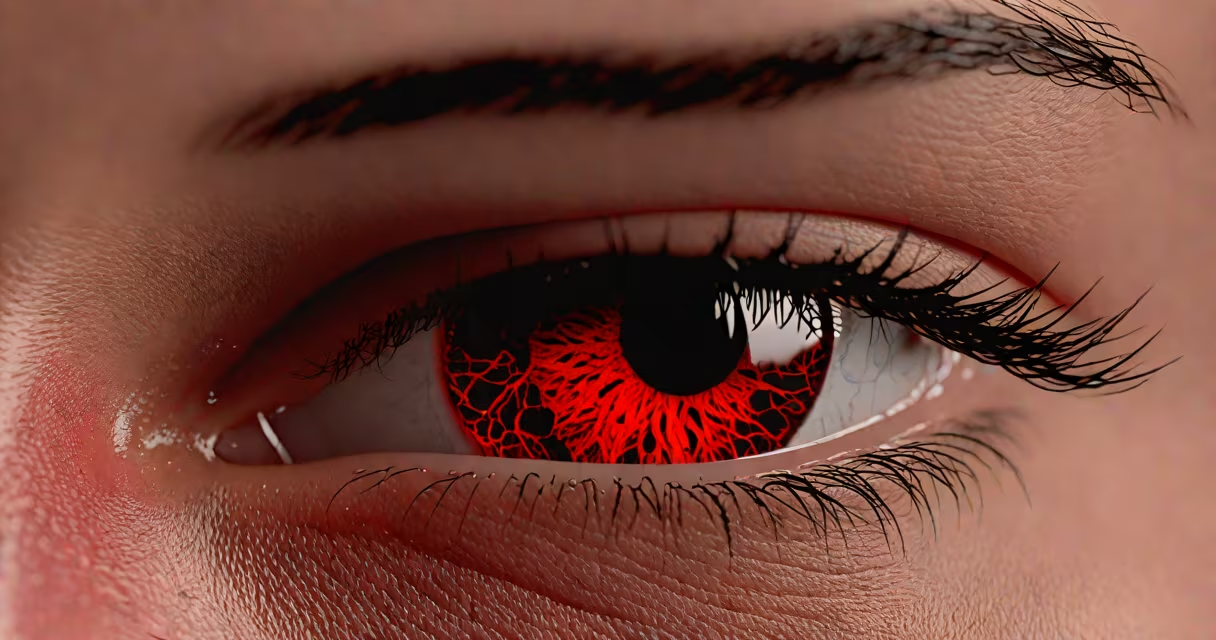
Redness on the inside of your eyelids typically results from inflammation of the conjunctiva-the thin membrane covering the inner eyelid and front of the eye. This condition, known as conjunctivitis, can stem from infections, allergies, irritants, or underlying eye disorders.
Conjunctivitis affects approximately 6 million people annually in the U.S., according to the American Academy of Ophthalmology. The inner eyelid lining becomes inflamed, causing visible redness, swelling, and sometimes discharge. While often mild, persistent redness warrants evaluation to rule out serious conditions.
The inner surface of your eyelid is lined with conjunctiva-a transparent mucous membrane rich in blood vessels. When irritated or infected, these vessels dilate, increasing blood flow and making the tissue appear red. This response is part of the body's immune defense, signaling injury or invasion.
Infections cause redness through direct irritation. Viral conjunctivitis, often linked to adenovirus, spreads easily in schools and workplaces. Bacterial forms, such as those caused by *Streptococcus pneumoniae* or *Chlamydia trachomatis*, produce thicker discharge and may require antibiotics. Allergic reactions trigger histamine release, leading to itching, swelling, and redness.
A 2021 study in *Ophthalmology* found that 34% of patients reporting red inner eyelids had undiagnosed dry eye syndrome. Reduced tear production leads to chronic irritation, causing the conjunctiva to become inflamed and visibly red over time.
Redness inside the eyelid arises from four primary causes: infectious, allergic, environmental, and systemic. Each has distinct triggers and clinical features.
| Type | Common Causes | Key Symptoms | Duration |
|---|---|---|---|
| Viral Conjunctivitis | Adenovirus, herpes simplex | Watery discharge, light sensitivity, mild pain | 5-14 days |
| Bacterial Conjunctivitis | *Staphylococcus aureus*, *Haemophilus influenzae* | Purulent discharge, crusting overnight | 7-10 days with treatment |
| Allergic Conjunctivitis | Pollen, dust mites, pet dander | Intense itching, tearing, swollen lids | Seasonal or year-round |
| Chronic Dry Eye Syndrome | Autoimmune disease, aging, screen use | Redness, gritty sensation, fluctuating vision | Long-term, recurring episodes |
Environmental factors like smoke, chlorine, or prolonged screen exposure contribute to redness by drying the ocular surface. A 2022 report from the National Eye Institute notes that adults using screens for more than 7 hours daily have a 40% higher risk of developing conjunctival redness due to reduced blink rate.
People often mistake redness inside the eyelid for "bloodshot eyes" or "pink eye," but these terms describe different phenomena. "Bloodshot eyes" refer to visible scleral vessels, while "pink eye" is a lay term for conjunctivitis. Redness on the inner lid specifically indicates inflammation of the conjunctival epithelium, not the white of the eye.
Another common error is assuming redness always means infection. In reality, 60% of cases are non-infectious, per data from the Centers for Disease Control and Prevention. Dry eye, blepharitis, or contact lens overuse are frequent culprits. Blepharitis, an inflammation of the eyelid margins, causes redness along the lash line and can mimic conjunctivitis.
I once treated a patient who reported red inner eyelids for six weeks. Initial diagnosis was allergic conjunctivitis. After testing, we found elevated anti-nuclear antibodies-indicating lupus-related ocular involvement. The redness resolved only after systemic treatment. This case underscores that redness inside the eyelid isn't always local-it can reflect systemic disease.
Redness inside the eyelid is frequently mistaken for a corneal abrasion or uveitis. Corneal injuries cause sharp pain, photophobia, and tearing, but the redness appears around the cornea, not under the lid. Uveitis involves inflammation of the iris and ciliary body, presenting with severe pain, blurred vision, and pupil changes-not isolated inner-lid redness.
True conjunctivitis rarely causes vision loss. If redness is accompanied by sudden blurring, double vision, or pain behind the eye, seek immediate care. These symptoms suggest optic neuritis or orbital cellulitis-conditions requiring urgent intervention.
Redness inside the eyelid lasting longer than 10 days without improvement, worsening pain, or vision changes demands evaluation. The American Optometric Association recommends seeing a provider if discharge is thick, yellow, or green, or if both eyes are affected simultaneously-signs of bacterial infection.
For mild cases, artificial tears and cold compresses may relieve discomfort. Avoid rubbing the eyes-this spreads pathogens and worsens irritation. If you wear contact lenses, discontinue use until symptoms resolve. Reintroduce them only after consulting your eye care provider.