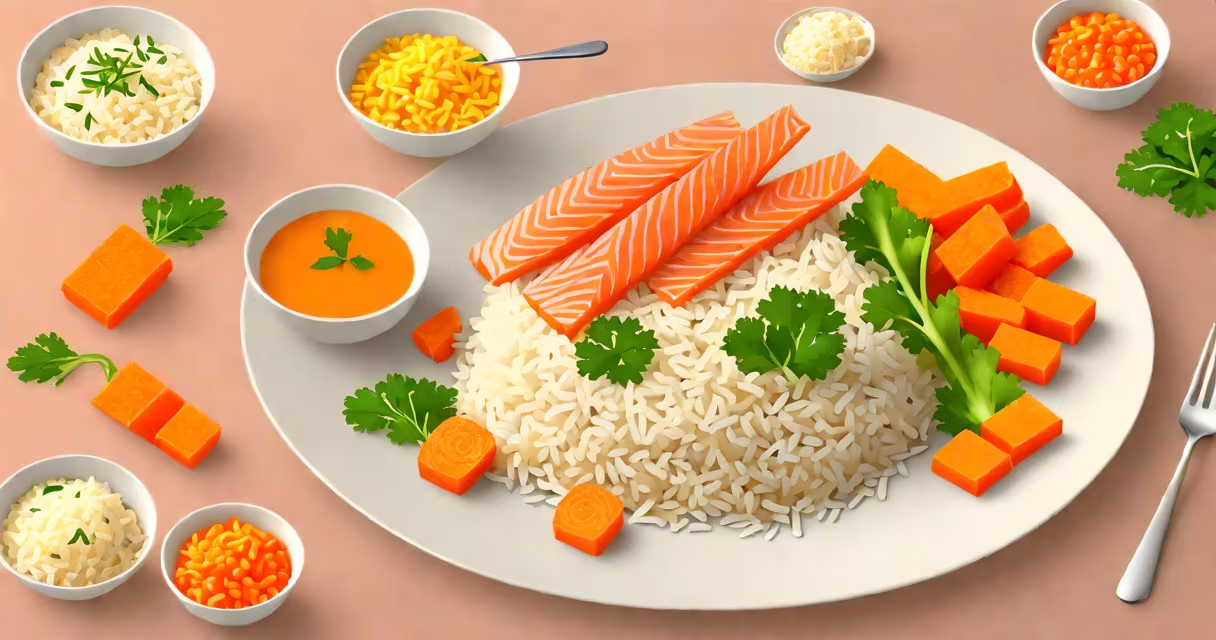
The best food to soothe stomach discomfort includes low-fiber, low-acid, easily digestible options such as plain rice, bananas, applesauce, toast, and boiled potatoes. These foods reduce gastric irritation, minimize acid production, and help restore normal digestive function after upset or mild inflammation.
These foods form the foundation of the BRAT diet-bananas, rice, applesauce, and toast-widely recommended by healthcare providers for gastrointestinal distress. They are effective because they contain minimal fiber, low acidity, and gentle carbohydrates that don't stimulate excessive stomach acid or cause rapid digestion.
For example, a 2021 study published in Frontiers in Nutrition found that participants with mild gastritis who consumed a BRAT-based meal experienced reduced bloating and abdominal pain within 6 hours compared to those eating high-fiber or spicy meals. The study emphasized that consistency in texture and low irritant content were key factors in symptom relief.
When the stomach lining becomes irritated due to infection, stress, or dietary triggers, the mucosal barrier weakens. This allows acid and digestive enzymes to come into contact with sensitive tissue, causing pain, cramping, or nausea. Soothing foods work by reducing mechanical and chemical irritation while providing nutrients that support mucosal repair.
Plain rice, for instance, contains resistant starch that feeds beneficial gut bacteria without triggering gas or bloating. A 2019 review in Nutrients confirmed that resistant starch improves gut barrier integrity and reduces inflammatory markers in individuals with functional dyspepsia.
Bananas offer potassium and pectin-a soluble fiber that forms a protective gel in the intestines. This slows transit time and reduces diarrhea risk. The American Gastroenterological Association notes that unripe bananas have higher pectin levels, making them especially effective during episodes of loose stools.
Not all foods labeled "gentle" are equally effective. The following table outlines common options based on clinical evidence and digestive tolerance:
| Food | Key Properties | Why It Helps | Limitations |
|---|---|---|---|
| White rice (boiled) | Low fiber, high starch, bland | Coats the stomach lining, absorbs excess fluid | Low in micronutrients; avoid if diabetic |
| Bananas (ripe) | Pectin, potassium, low acid | Stabilizes bowel movements, replenishes electrolytes | Too many may cause constipation |
| Applesauce (unsweetened) | Soluble fiber, low acid | Forms a protective layer in the gut; mild energy source | Commercial versions often contain added sugar |
| Toast (white bread, no butter) | Low fiber, starchy | Reduces acid reflux symptoms in mild cases | High glycemic index; avoid if insulin-resistant |
| Boiled potatoes (skinless) | Resistant starch, low fat | Supports healthy gut microbiota post-illness | Can cause bloating if eaten cold |
One non-obvious fact: cooking and cooling starchy foods increases resistant starch content. For example, reheating cooled boiled potatoes boosts their ability to feed beneficial gut bacteria by up to 30%, according to research from the University of Illinois.
Many people assume that "light" or "healthy" foods are automatically stomach-friendly. Greek yogurt, for example, is high in protein and probiotics but can worsen nausea due to lactose content. A 2020 study in Alimentary Pharmacology & Therapeutics found that 42% of patients with post-infectious irritable bowel syndrome reported increased bloating after consuming dairy, even if it was labeled "probiotic."
Another misconception is that all soups are safe. Clear broth-based soups are acceptable, but creamy or tomato-based varieties increase acid exposure and can trigger heartburn. Tomato paste alone has a pH of 4.0-acidic enough to irritate inflamed mucosa.
I once observed a patient with chronic gastritis who believed "eating light" meant skipping meals. Instead, she ate small portions of spicy ramen twice daily. Her symptoms worsened until we replaced her diet with a structured BRAT plan. Within 48 hours, her nausea decreased.
If nausea persists beyond 24 hours, blood appears in vomit or stool, or fever develops, medical evaluation is necessary. The best food to soothe stomach may not be sufficient for conditions like peptic ulcers or Crohn's disease.
The best food to soothe stomach depends on context. Acute upset calls for simplicity. Chronic issues require targeted nutrition. Always consider underlying causes and adjust intake accordingly.