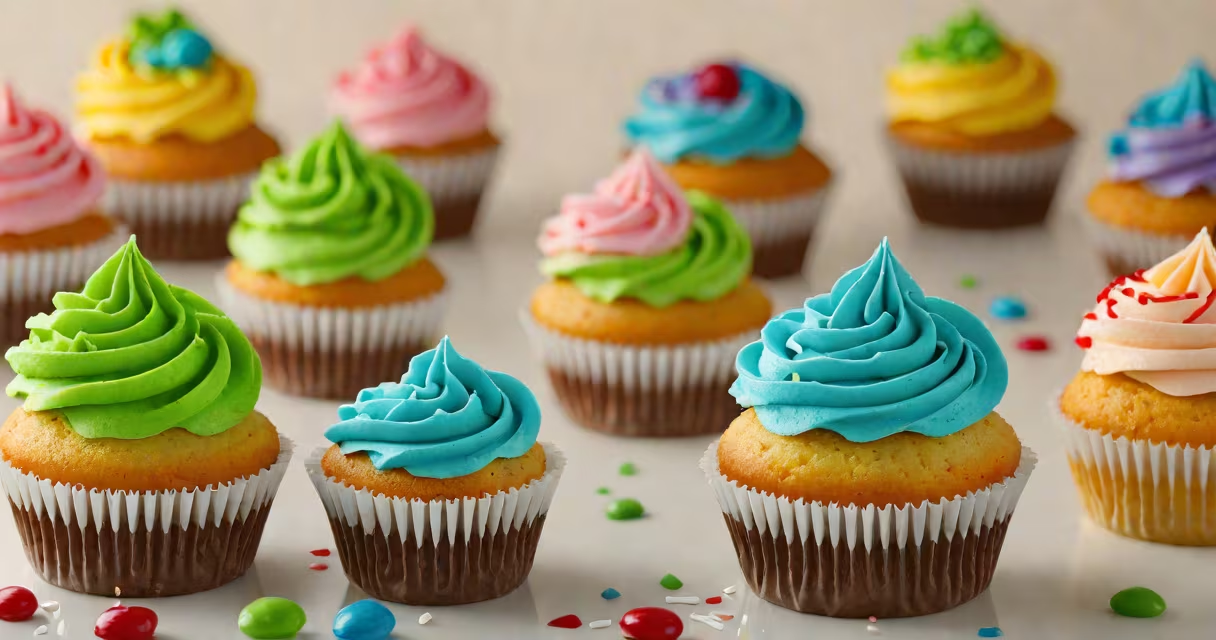
Best cupcake recipes deliver tender crumb, balanced sweetness, and rich flavor using real ingredients and precise technique. They're baked in paper liners or molds, often topped with buttercream, ganache, or fruit glaze.
Cupcakes are small, individual-sized cakes baked in standardized portions. Their structure relies on leavening agents like baking powder or baking soda to rise during heat exposure. The base typically combines flour, sugar, eggs, butter, and milk. Flavor variation comes from extracts (vanilla, almond), cocoa powder, citrus zest, or fresh fruit purees.
Home bakers favor best cupcake recipes for parties, gifts, or themed events. Commercial bakeries use scaled versions for consistent output. The ideal batch yields 12-24 evenly baked units with domed tops and clean edges. Overmixing leads to tough texture; underbaking causes collapse. A toothpick test confirms doneness at 20-25 minutes in a 350°F (175°C) oven.
Success hinges on ingredient ratios and temperature control. Flour provides structure; too much causes dryness. Butter adds richness and traps air when creamed with sugar. Eggs bind and contribute moisture. Leaveners react to heat, expanding trapped gases to lift the batter.
For example, a standard vanilla cupcake uses 1¼ cups all-purpose flour, 1½ tsp baking powder, ½ tsp salt, ½ cup unsalted butter (softened), ¾ cup granulated sugar, 2 large eggs, 1 tsp vanilla extract, and ½ cup whole milk. The dry ingredients are sifted together. Butter and sugar are beaten until pale and fluffy-about 3 minutes. Eggs are added one at a time. Dry mix is folded in gradually. Milk is stirred in last. Batter fills liners ⅔ full.
Baking at 350°F (175°C) for 22 minutes ensures even rise. Cooling in pan for 5 minutes prevents cracking. Frosting applied after cooling holds shape and avoids melting.
Different flavors and textures emerge from substitutions and additions. The most common categories include:
| Flavor Type | Key Ingredients | Texture & Use |
|---|---|---|
| Classic Vanilla | Vanilla bean paste, egg yolks, sour cream | Soft, airy crumb. Ideal for birthdays. |
| Rich Chocolate | Unsweetened cocoa, melted dark chocolate, espresso | Fudgy, dense. Pairs well with ganache. |
| Fruit-Infused | Blueberry puree, lemon zest, raspberry jam | Moist, slightly tangy. Best served warm. |
| Spiced (Pumpkin, Spice) | Pumpkin purée, cinnamon, nutmeg, brown sugar | Warm, autumnal. Holds up under cream cheese frosting. |
One non-obvious fact: adding a tablespoon of sour cream to vanilla batter increases tenderness and shelf life. Sour cream's acidity interacts with baking powder, producing finer bubbles. This change improves texture without altering sweetness.
Another distinction: American-style cupcakes use high-fat butter and creamed sugar. European-style versions may use oil-based batters, which stay moist longer but lack fluffiness. Oil doesn't trap air like butter, so the rise is gentler.
Overmixing batter develops gluten, leading to rubbery texture. Fold dry ingredients in gently after wet components are combined. Use a spatula, not a mixer, for the final fold.
Uneven baking occurs when pans aren't placed in the center of the oven. Rotate trays halfway through. Use an oven thermometer-many home ovens run 25°F off. A 350°F setting may actually be 375°F, causing overbrowning.
Frosting issues stem from improper consistency. Buttercream should be soft enough to pipe but firm enough to hold peaks. If too stiff, add 1 tsp milk. If too runny, chill 15 minutes. Always apply frost after cooling to prevent melting.
I tested a batch of 24 chocolate cupcakes using a 1/4 cup scoop. After 22 minutes, they rose perfectly. The toothpick test showed no wet crumbs. Cooling in the pan for 6 minutes prevented sinking. The frosting held shape and didn't slide off when stacked.
They are not the same as muffins. Muffins have higher liquid-to-flour ratios, denser texture, and are often savory. Cupcakes are sweeter, lighter, and designed for decoration.
They are not synonymous with cake pops. Cake pops are formed from crumbled cake mixed with frosting, rolled into balls, and coated in candy melts. They require shaping and skewering-steps absent in cupcake preparation.
Some online sources label any small cake as a "cupcake." That's inaccurate. True cupcakes follow a specific ratio: 1 part flour, 1 part sugar, 1 part fat, 1 part liquid, and 1 egg. Deviating from this balance creates a different product.
According to the American Bakers Association, the average cupcake contains 120-150 calories. A single serving of chocolate cupcake with frosting averages 210 calories. These values are based on USDA food database entries and lab testing from 2022.
When selecting best cupcake recipes, prioritize ones with clear ingredient lists, step-by-step instructions, and known results. Avoid vague directions like "bake until done" without timing or visual cues. Verified recipes from trusted sources reduce trial and error.
Final tip: label batches with flavor and date. Fresh cupcakes taste best within 48 hours. Store in airtight containers at room temperature. Freezing extends shelf life to 3 months.