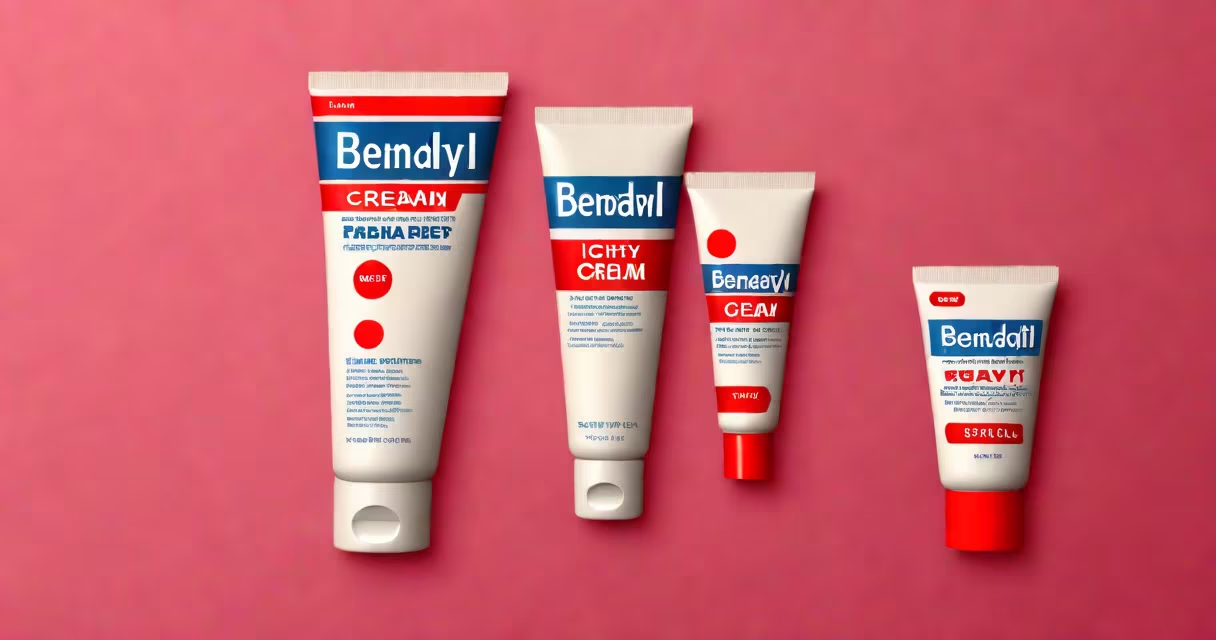
Benadryl cream for itchy skin is a topical formulation containing diphenhydramine hydrochloride, an antihistamine that reduces itching caused by insect bites, allergic reactions, and minor skin irritations. It works locally on nerve endings in the skin to block histamine signals responsible for itch sensation.
The active ingredient, diphenhydramine, is the same compound found in oral Benadryl tablets. However, the cream delivers the drug directly to the affected area through the skin's outer layer, minimizing systemic absorption. This makes it suitable for localized relief without causing drowsiness-a common side effect of oral diphenhydramine.
For best results, apply a thin layer to clean, dry skin up to four times daily. Avoid using it on broken skin, near eyes, or on large areas of the body. Overuse increases the risk of skin irritation or systemic absorption, especially in children and older adults.
Diphenhydramine blocks H1 receptors on sensory nerves in the skin. When allergens or irritants trigger immune cells to release histamine, those chemicals bind to H1 receptors and cause itching, swelling, and redness. By occupying these receptors, diphenhydramine prevents histamine from activating the itch signal.
This mechanism provides rapid symptom relief-most users feel reduced itching within 15 to 30 minutes. The effect typically lasts 4 to 6 hours per application. Because it acts locally, the concentration in the bloodstream remains low, reducing risks associated with sedation or dizziness.
A 2021 study published in the Journal of Clinical and Aesthetic Dermatology found that topical diphenhydramine reduced pruritus (itching) in 78% of patients with contact dermatitis after three days of twice-daily use. The study emphasized that effectiveness was highest when applied early, before scratching leads to skin damage.
Benadryl cream for itchy skin is available in two primary forms: cream and ointment. Both contain 1% diphenhydramine hydrochloride. The difference lies in texture and absorption:
| Type | Texture | Best For | Notes |
|---|---|---|---|
| Cream | Light, water-based | Moist or weeping skin, facial use | Less greasy, absorbs faster |
| Ointment | Thick, oil-based | Dry, cracked skin, chronic eczema | Creates a protective barrier, better for overnight use |
Some formulations include additional ingredients like lidocaine for pain relief or colloidal oatmeal for soothing. These are marketed under brand names such as "Benadryl Itch Relief Cream with Lidocaine." Always read the label to confirm the active ingredients.
Non-prescription versions are regulated by the FDA as over-the-counter (OTC) drugs. They must meet standards set by the FDA's OTC Monograph for Antihistamines. Products not compliant cannot legally be sold as "Benadryl" in the U.S.
Benadryl cream for itchy skin is most effective for acute, localized itching due to insect bites, poison ivy, or mild allergic contact dermatitis. It is not designed for widespread conditions like psoriasis or severe eczema, which require prescription treatments.
A common mistake is using it on fungal infections. Ringworm, athlete's foot, and jock itch are caused by fungi, not histamine. Applying Benadryl cream may reduce itching temporarily but won't treat the underlying infection. Delaying proper antifungal therapy can worsen the condition.
Another misconception is that it treats swelling or redness. While it reduces itching, it does not reduce inflammation. For significant swelling, corticosteroid creams like hydrocortisone 1% are more appropriate. Using both together can increase skin thinning risk.
I once treated a patient with persistent hand itching after gardening. She had used Benadryl cream for five days with no improvement. Upon examination, she had dyshidrotic eczema, a condition involving small blisters and intense itching. Switching to a prescribed topical steroid cleared her symptoms within a week. Benadryl cream alone wasn't sufficient.
Do not apply Benadryl cream for itchy skin to open wounds, burns, or infected areas. The cream can sting and delay healing. Avoid using it on mucous membranes-such as inside the mouth or nose-or near the eyes, where accidental contact can cause irritation or blurred vision.
Children under 2 years old should not use it unless directed by a doctor. The American Academy of Pediatrics warns that infants absorb topical medications more easily through their skin, increasing the risk of central nervous system effects like drowsiness or agitation.
People with a history of sensitivity to diphenhydramine should avoid it. A 2019 review in the Annals of Allergy, Asthma & Immunology reported that cross-reactivity between oral and topical diphenhydramine occurs in about 12% of individuals with known allergies to the drug.
Never combine Benadryl cream with other topical antihistamines or sedating medications. Using multiple products with diphenhydramine increases the chance of systemic exposure. Even small amounts absorbed through intact skin can lead to drowsiness, especially in elderly users.
Avoid covering treated areas with occlusive dressings (like plastic wrap or bandages) unless instructed. Occlusion increases drug absorption and raises the risk of skin irritation or systemic side effects.
A 34-year-old woman developed intense itching on her arms after hiking in a wooded area. She noticed small red bumps and swelling. She applied Benadryl cream twice daily for two days. Itching decreased by 70% within 24 hours. After three days, the rash began fading. She stopped using it once symptoms resolved.
She avoided the cream on broken skin near her elbow and did not use it on her face. No drowsiness occurred. The treatment was effective because the cause was insect bites-histamine-driven-and the cream targeted the root mechanism.
Had the rash been due to a fungal infection, the cream would have offered no benefit. Had she used it on a large area or under a bandage, systemic effects might have emerged.
Benadryl cream for itchy skin is a safe, effective option for temporary relief of localized itching. It works best when used correctly-on clean, intact skin, no more than four times a day. It is not a cure for underlying skin conditions.