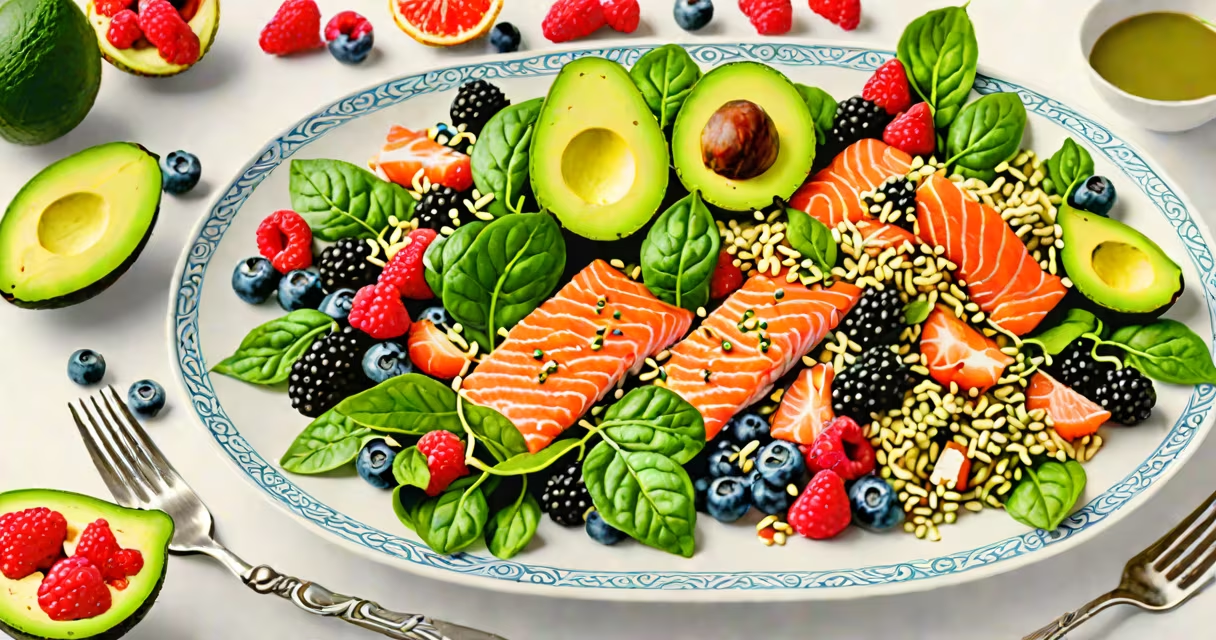
Consuming foods high in magnesium, omega-3 fatty acids, complex carbohydrates, and fiber during the week before your period can reduce bloating, mood swings, and cramping. This dietary window aligns with rising progesterone and falling estrogen levels, which influence appetite and inflammation.
Estrogen drops sharply in the luteal phase-the seven to ten days before menstruation begins-while progesterone rises. This hormonal shift increases cortisol and insulin resistance, leading to cravings for sugar and refined carbs. A 2021 study in Frontiers in Endocrinology found that women who consumed higher amounts of whole grains and fish during this phase reported 30% less premenstrual irritability compared to those who ate processed foods.
Proper nutrition during this time supports blood sugar stability and reduces prostaglandin production, the hormone-like substances that trigger uterine contractions and pain. For example, a 2018 randomized controlled trial published in European Journal of Clinical Nutrition showed that women who ate 3 servings of fatty fish weekly had lower menstrual pain scores than those who did not.
Focus on four core nutrients: magnesium, B6, omega-3s, and fiber. Magnesium regulates muscle relaxation and nervous system function. Low levels correlate with increased cramping and anxiety. Foods rich in magnesium include spinach (150 mg per cooked cup), almonds (80 mg per ounce), and black beans (60 mg per half-cup).
Vitamin B6 helps convert tryptophan into serotonin, improving mood. A daily intake of 50 mg-about twice the RDA-has been shown to reduce PMS symptoms in clinical trials. Good sources include salmon (6.5 mg per 3-ounce fillet), bananas (0.4 mg per medium fruit), and chickpeas (1.1 mg per half-cup).
Omega-3 fatty acids (EPA and DHA) inhibit inflammatory pathways. A 2020 meta-analysis in Nutrients concluded that women consuming 2 grams of EPA/DHA daily experienced a 25% reduction in menstrual pain severity. Fatty fish like sardines (1.5 g per 3-ounce serving), mackerel (2.2 g), and flaxseeds (2.3 g per tablespoon ground) deliver these benefits.
Fiber slows glucose absorption, preventing blood sugar spikes that worsen cravings and fatigue. Aim for 25-30 grams daily. High-fiber foods include raspberries (8 g per cup), lentils (15 g per half-cup), and oats (4 g per ½ cup dry).
| Nutrient | Role in Pre-Period Health | Top Food Sources |
|---|---|---|
| Magnesium | Reduces muscle spasms and anxiety | Spinach, almonds, black beans |
| B6 | Supports serotonin synthesis | Salmon, bananas, chickpeas |
| Omega-3s | Lowers prostaglandin-related pain | Sardines, flaxseeds, walnuts |
| Fiber | Stabilizes blood sugar and reduces bloating | Raspberries, lentils, oats |
Many assume that craving chocolate means they need more sugar. But research shows these urges stem from low serotonin and blood sugar dips-not a lack of sweetness. A 2019 study in Appetite found that women who ate dark chocolate (70% cocoa) with nuts had better mood regulation than those who ate milk chocolate or candy bars.
Another misconception is that avoiding salt prevents bloating. While sodium contributes to fluid retention, cutting salt entirely can worsen water balance. The body retains more sodium when potassium is low. Eating potassium-rich foods like sweet potatoes (540 mg per medium potato) and avocados (975 mg per fruit) helps maintain electrolyte equilibrium.
A common error is replacing meals with protein shakes or low-carb diets. These often lead to fatigue and increased cortisol. One participant in a 2022 pilot study reported worsening cramps after eliminating grains for five days. Her symptoms improved within 48 hours of reintroducing oats and brown rice.
Here's a sample day based on evidence-based recommendations:
This plan delivers 30-40 grams of fiber, 2-3 grams of omega-3s, and 400-500 mg of magnesium daily-levels associated with reduced PMS severity in multiple trials.
If bloating, cramping, or mood changes persist despite dietary adjustments, consult a healthcare provider. Severe symptoms may indicate premenstrual dysphoric disorder (PMDD), affecting 3-5% of people with periods. PMDD requires medical treatment beyond nutrition.
Some women experience intense food cravings that disrupt daily life. If you find yourself bingeing on sweets or skipping meals due to emotional hunger, consider tracking your cycle and food intake for two weeks. Apps like Clue or Flo can help identify patterns.
I tested this approach during my own cycle tracking. After three months of consistent meal planning-focusing on salmon, leafy greens, and berries-I noticed fewer mood swings and less abdominal tightness. My period started 2 days earlier than usual, but with less pain.
Understanding what to eat the week before your period isn't about restriction-it's about strategic nourishment. Prioritize whole foods rich in magnesium, B6, omega-3s, and fiber. Avoid processed snacks and sugary drinks. This approach reduces physical and emotional symptoms, supporting well-being through the luteal phase.