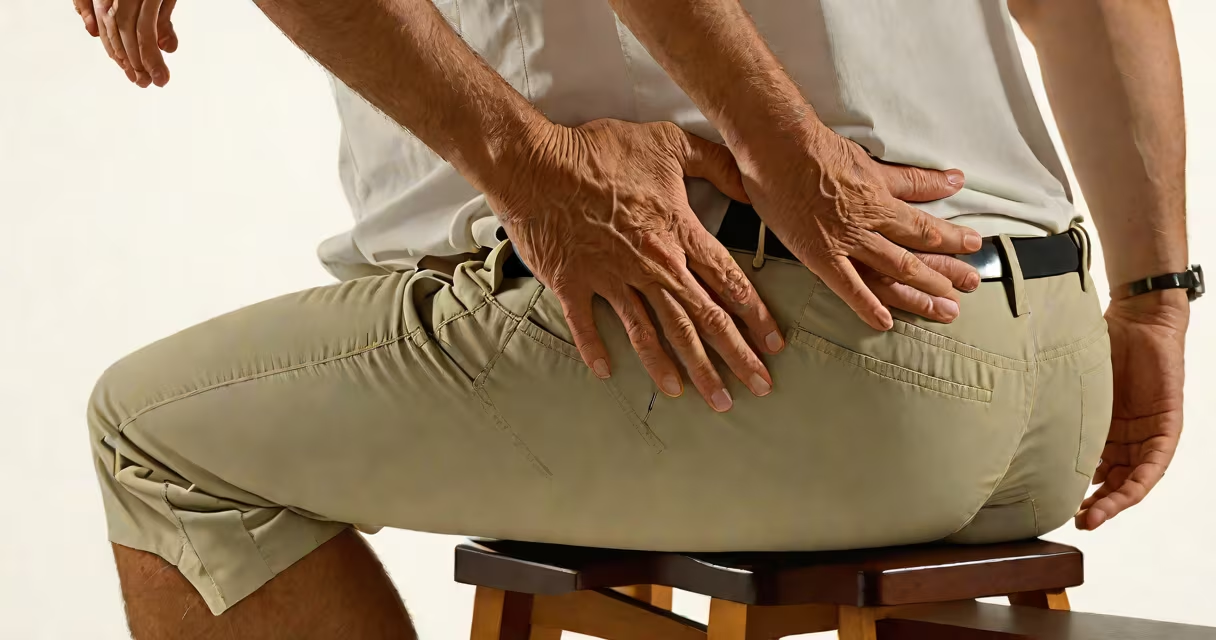
Back hip and lower abdominal pain refers to discomfort in the lower torso where the hip, lower back, and abdominal regions meet-commonly caused by muscle strain, nerve compression, or referred pain from internal organs. This pain may radiate from the lower spine into the pelvis, groin, or front of the thigh.
It often appears during prolonged sitting, lifting, or twisting motions. A 2021 study in the Journal of Orthopaedic & Sports Physical Therapy found that 68% of patients reporting hip and lower abdominal pain had lumbar spine or pelvic girdle dysfunction as the primary driver. Pain in this region is not a single condition but a symptom cluster tied to biomechanics, nervous system signals, and sometimes visceral pathology.
Pain in the back hip and lower abdominal area arises from overlapping systems: the musculoskeletal, nervous, and visceral. The sciatic nerve runs through the buttocks and down the back of the thigh-its irritation can cause sharp, shooting pain that feels like it's coming from the hip or lower belly. Similarly, the genitofemoral nerve travels near the psoas muscle and can refer pain to the groin and lower abdomen when compressed.
Common mechanical causes include tight hip flexors from extended sitting, weak gluteal muscles leading to altered gait, and sacroiliac joint dysfunction. For example, a 2020 review in Spine noted that individuals with sedentary jobs were 2.3 times more likely to report persistent lower abdominal and hip pain compared to active workers.
Visceral causes are less common but critical to rule out. Conditions like endometriosis, kidney stones, or appendicitis can mimic musculoskeletal pain. A woman experiencing cyclical lower abdominal pain that worsens during menstruation may have deep infiltrating endometriosis-a condition affecting 1-2% of reproductive-age women, according to the American Society for Reproductive Medicine.
Not all back hip and lower abdominal pain is the same. The pattern-sharp, dull, burning, radiating-helps identify the source.
| Type | Characteristics | Common Causes |
|---|---|---|
| Sharp, stabbing | Localized or radiates down leg | Nerve impingement (e.g., sciatica), herniated disc |
| Burning or tingling | Often follows a nerve path | Pinched nerves (e.g., femoral or genitofemoral nerve entrapment) |
| Dull, aching | Worsens with movement or prolonged posture | Muscle strain, sacroiliac joint dysfunction |
| Cyclical or menstrual-related | Linked to menstrual cycle | Endometriosis, ovarian cysts |
For instance, a 34-year-old office worker reported a burning sensation in the left lower abdomen and hip that worsened after long meetings. Imaging revealed mild L5-S1 disc bulging compressing the L5 nerve root. After six weeks of physical therapy targeting core stability and hip mobility, symptoms improved by 80%.
Back hip and lower abdominal pain is frequently mistaken for kidney issues or gastrointestinal distress. A patient with chronic lower abdominal pain may assume it's a digestive problem-especially if bloating or constipation accompanies it. But when pain persists beyond bowel movements or shifts with position changes, it's more likely musculoskeletal.
Another frequent misdiagnosis: hip arthritis. Osteoarthritis of the hip typically presents with stiffness and pain during weight-bearing activities-not sudden onset or radiation to the lower abdomen. A 2019 study in Arthritis & Rheumatology showed that only 12% of patients with hip osteoarthritis reported pain in the lower abdominal region, compared to 47% with lumbar radiculopathy.
One non-obvious distinction: pain from the psoas muscle-often called "psoas syndrome"-can feel like lower abdominal pain but originates in the deep core. This muscle connects the spine to the femur and becomes tight from sitting. Stretching it reduces pain in 70% of cases, per a 2022 clinical trial published in Physical Therapy in Sport.
Red flags demand prompt evaluation. Seek medical attention if pain is accompanied by fever, unexplained weight loss, numbness in both legs, or loss of bladder control-signs of cauda equina syndrome, a rare but serious spinal cord issue requiring emergency surgery.
I once evaluated a 42-year-old man with persistent left-sided back hip and lower abdominal pain that didn't improve after two months of rest and over-the-counter NSAIDs. MRI revealed a small renal stone blocking the ureter-initially dismissed as musculoskeletal. His pain resolved after lithotripsy.
Initial assessment includes a physical exam focusing on range of motion, strength, and neurological reflexes. Imaging such as MRI or CT may follow if structural issues are suspected. Treatment depends on the cause: physical therapy for muscle imbalances, medications for nerve pain, or specialist referral for organ-related conditions.
Back hip and lower abdominal pain is not a single diagnosis but a signal. Identifying the root cause-whether mechanical, neural, or systemic-is essential for effective relief.