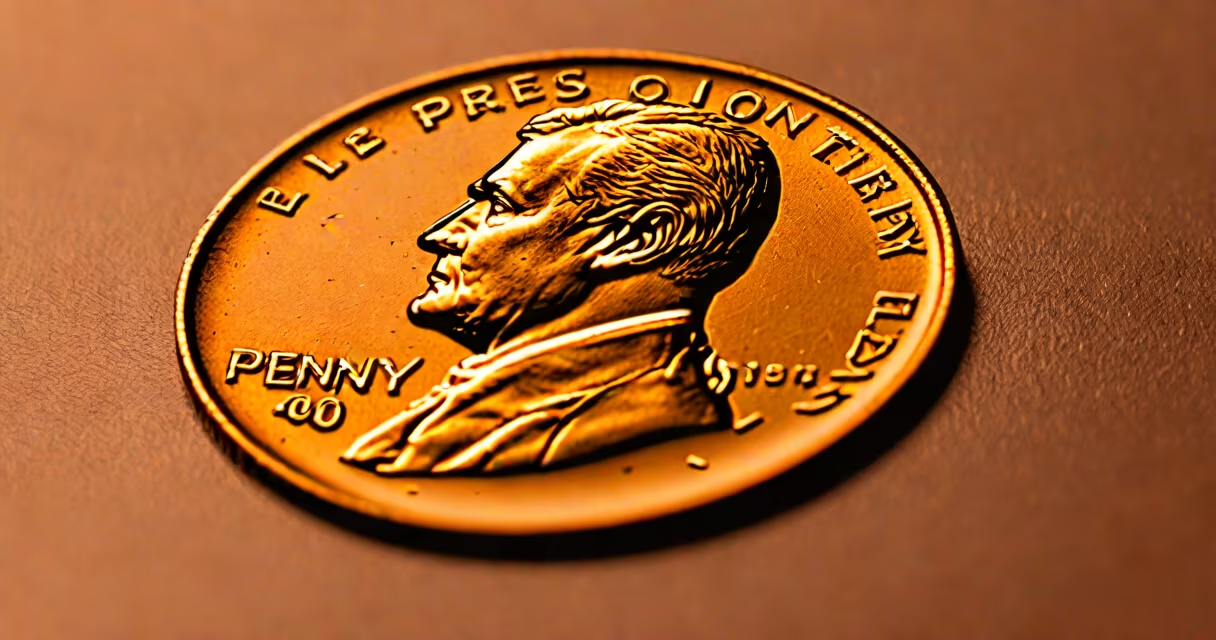
A penny weight (dwt) is a unit of mass equal to 1/20 of a troy ounce, or approximately 1.555 grams. It is primarily used in measuring precious metals such as gold, silver, and platinum, especially in jewelry making and bullion trading.
The term "penny weight" originates from historical British coinage. In medieval England, a penny was valued at roughly 1/20 of a pound sterling, and the weight of that coin became a standard for measuring small quantities of metal. Over time, this evolved into a standardized unit within the troy system, which remains in use today for fine metals.
One dwt equals 24 grains, a unit derived from the weight of a single grain of wheat. This connection to agricultural standards highlights how early measurements were based on tangible, consistent objects rather than arbitrary scales.
Precious metal weights are calculated using the troy system, which differs from the avoirdupois system used for everyday items. The troy ounce weighs 31.1035 grams-about 10% heavier than the standard ounce. Since a penny weight is 1/20 of that, it provides a finer granularity for weighing small amounts of metal.
For example, a 10-carat gold ring may weigh 3.5 dwt. To convert this to grams: multiply 3.5 by 1.555, yielding 5.44 grams. This precision allows jewelers to price materials accurately and comply with industry standards.
When buying or selling scrap gold, dealers often quote prices per dwt. A current market rate of $25 per troy ounce translates to $1.25 per dwt ($25 ÷ 20). This makes pricing transparent and consistent across transactions.
Penny weight is most frequently used in three contexts: jewelry fabrication, bullion trading, and appraisal. In each, accuracy matters because even small differences affect value.
| Application | Typical Use | Example Weight |
|---|---|---|
| Jewelry Making | Measuring wire, sheet, and cast components | 1.5 dwt for a 6mm band |
| Bullion Trading | Quoting spot prices and inventory | 50 dwt = 2.5 troy ounces |
| Appraisal | Determining resale value of antique pieces | 12 dwt in a Victorian brooch |
One non-obvious fact: dwt is not used in international trade beyond North America and parts of Europe. Most global markets report prices in troy ounces or grams. This creates potential confusion when converting between systems, especially for online buyers unfamiliar with regional conventions.
For instance, a Canadian jeweler listing a pendant at 8 dwt might assume customers understand the metric equivalent (12.44 grams), but someone in Germany may expect grams or troy ounces. Miscommunication can lead to pricing errors or buyer dissatisfaction.
People often mistake penny weight for regular ounces or grams. A dwt is smaller than a gram-specifically, 1.555 grams-but it's not interchangeable with either. Using the wrong unit leads to miscalculations in material cost and profit margins.
Another misconception is that dwt applies to all metals. It does not. While widely used for gold and silver, platinum and palladium are typically priced per troy ounce or gram. The reason lies in supply volume and market structure: platinum trades in larger batches, reducing the need for sub-ounce precision.
Dwt is sometimes confused with "carat," which measures gemstone purity or weight. A 1-carat diamond weighs 0.2 grams, while a 1-dwt gold piece weighs 1.555 grams. These units serve entirely different purposes and should not be mixed.
Consider a 14-karat gold wedding band from the 1950s. Its internal diameter is 18 mm, and it features a subtle engraved pattern. A professional appraiser weighs it on a digital scale calibrated in dwt and records 4.2 dwt.
To determine the intrinsic metal value:
The resulting value reflects the metal content only. The ring's sentimental or collectible value would require additional assessment.
I once evaluated a 1920s Art Deco bracelet during a local estate sale. The seller had no idea how much the gold was worth. After measuring it at 11.8 dwt and applying current rates, we determined the metal value exceeded $700. The owner was surprised-she'd thought it was just a decorative piece. That moment confirmed how important accurate measurement is in preserving value.
While these resources focus on human body metrics, they share a core principle with dwt: precise measurement enables informed decisions. Whether assessing gold or personal health, accuracy prevents loss and supports better outcomes.
For those working with precious metals, mastering penny weight ensures consistency in design, pricing, and client trust. It's not just a number-it's a foundation of integrity in valuation.