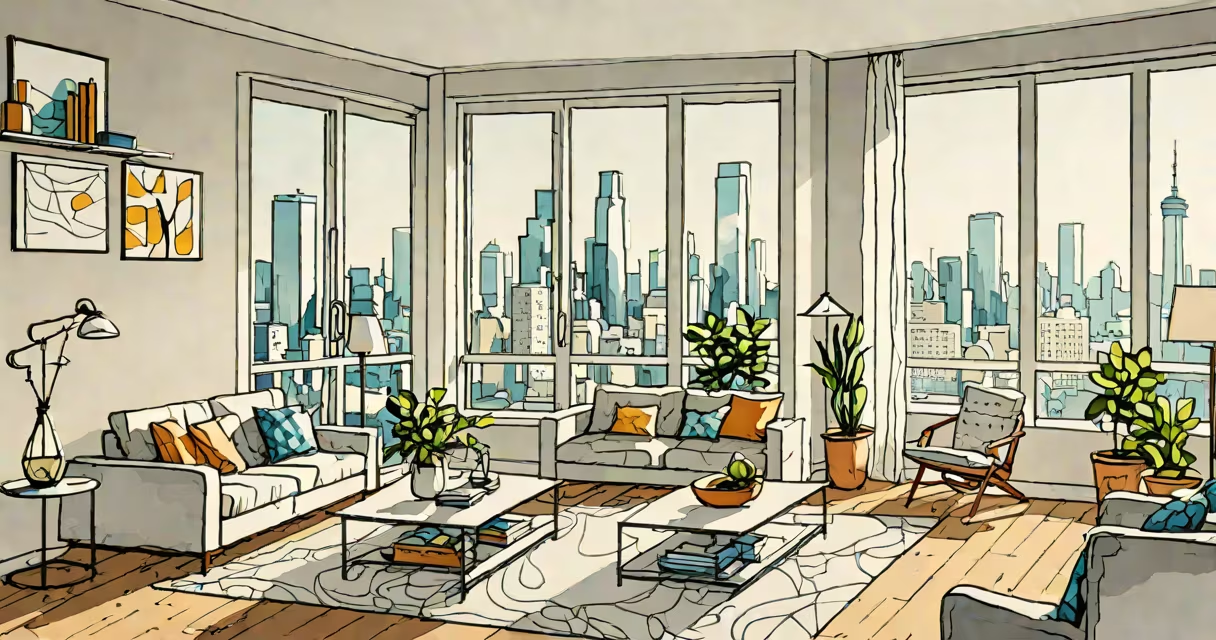
Apartment home living refers to residential life in a self-contained unit within a multi-unit building, typically located in cities or densely populated areas. These units offer private access, kitchens, bathrooms, and sleeping spaces, often optimized for space and affordability. This setup is common in metropolitan regions where land costs limit single-family homes.
Apartment home living operates on a lease or ownership model. Tenants pay monthly rent based on size, location, and amenities. Owners may live in their units or rent them out. Units vary from studios to four-bedroom layouts, with most ranging between 400 and 1,200 square feet. The average U.S. apartment rents for $1,800/month in major cities, according to the U.S. Census Bureau's 2023 Housing Vacancy Survey.
Residents rely on shared infrastructure: elevators, hallways, laundry rooms, and sometimes on-site security. Common features include in-unit laundry, smart thermostats, and access to gyms or rooftop lounges. Building management handles maintenance, repairs, and compliance with local housing codes. Renters must follow lease agreements, which outline responsibilities for cleanliness, noise, and guest policies.
Residents enter a lease agreement specifying duration, rent amount, and rules. Most leases last 12 months. Rent increases are capped by local laws in cities like New York and San Francisco. For example, New York City's Rent Stabilization Law limits annual increases to 3.25% for regulated apartments.
Utilities are often billed separately. Electricity, gas, internet, and water are paid directly by tenants. Some buildings include internet or trash removal in rent. Landlords may require renters insurance to cover personal property damage or liability claims.
Security is managed through building protocols. Entry requires keys, fobs, or smartphone apps. Surveillance cameras monitor lobbies and parking areas. Emergency systems include fire alarms, smoke detectors, and emergency lighting. All units must meet local building codes, including fire exit signage and accessible entrances.
Apartment types differ by size, design, and target resident. The table below outlines common categories:
| Type | Size Range | Typical Residents | Use Case |
|---|---|---|---|
| Studio | 300-500 sq ft | Single adults, students | Low-cost entry into city living |
| One-bedroom | 600-800 sq ft | Young professionals, couples | Balance of privacy and affordability |
| Two-bedroom | 900-1,100 sq ft | Families, roommates | More space for children or shared living |
| Loft/converted warehouse | 1,000-2,000 sq ft | Artists, creatives | High ceilings, exposed beams, industrial finishes |
Some buildings offer specialized units. Senior communities provide ground-floor access and medical alert systems. Co-living spaces split larger apartments into private bedrooms with shared kitchens and lounges. These are popular among remote workers seeking social interaction.
Non-residential spaces often serve residents. Rooftop gardens reduce heat island effects and improve air quality. Shared workspaces allow freelancers to work outside homes. On-site dry cleaners and package lockers cut commute time. A 2022 study by the Urban Land Institute found that 68% of new apartment developments include at least one amenity beyond basic security.
Apartment home living is not synonymous with homelessness. While both involve small dwellings, homeless shelters lack legal tenancy rights, permanent fixtures, or privacy. Apartments are legally recognized residences under federal housing law (42 U.S.C. § 1437f).
People often confuse "apartment" with "condominium." Condos are individually owned units within a building. Buyers hold title and pay homeowners' association fees. Apartments are leased or rented. In New York City, condos make up 12% of housing stock, while rentals account for 88%, per NYC Department of Finance data.
A lesser-known fact: many older apartment buildings were originally designed as single-family homes. In Chicago, 40% of buildings constructed before 1920 have been converted into multi-unit dwellings. These conversions preserve historic facades while adapting interiors for modern use.
Consider Maya, a freelance graphic designer living in a 750-square-foot one-bedroom in Brooklyn. Her rent is $3,200/month, covering electricity and internet. She pays $120/month for renters insurance.
She uses a smart thermostat to adjust heating and cooling. Her kitchen includes a compact fridge, microwave, and sink. A Murphy bed folds into the wall during the day. She stores clothes in a built-in closet and uses a foldable dining table.
Each morning, she walks 12 minutes to a café for coffee. She works from her living room, using a standing desk. Weekly, she drops off laundry at the on-site coin-op machines. She checks the building's online portal for maintenance requests and event notices.
At the end of the month, she reviews her budget. Rent takes 40% of her income. Utilities and groceries consume another 25%. She spends $45 on a fitness class at the building's gym. Her total monthly housing cost is $3,725.
This routine reflects how apartment home living balances space constraints with modern conveniences. Efficiency isn't just about square footage-it's about workflow, access, and community integration.
For those considering long-term residence, understanding lease terms and neighborhood dynamics is essential. If you're exploring estate planning options, a living will is a type of what may affect your housing choices later in life.