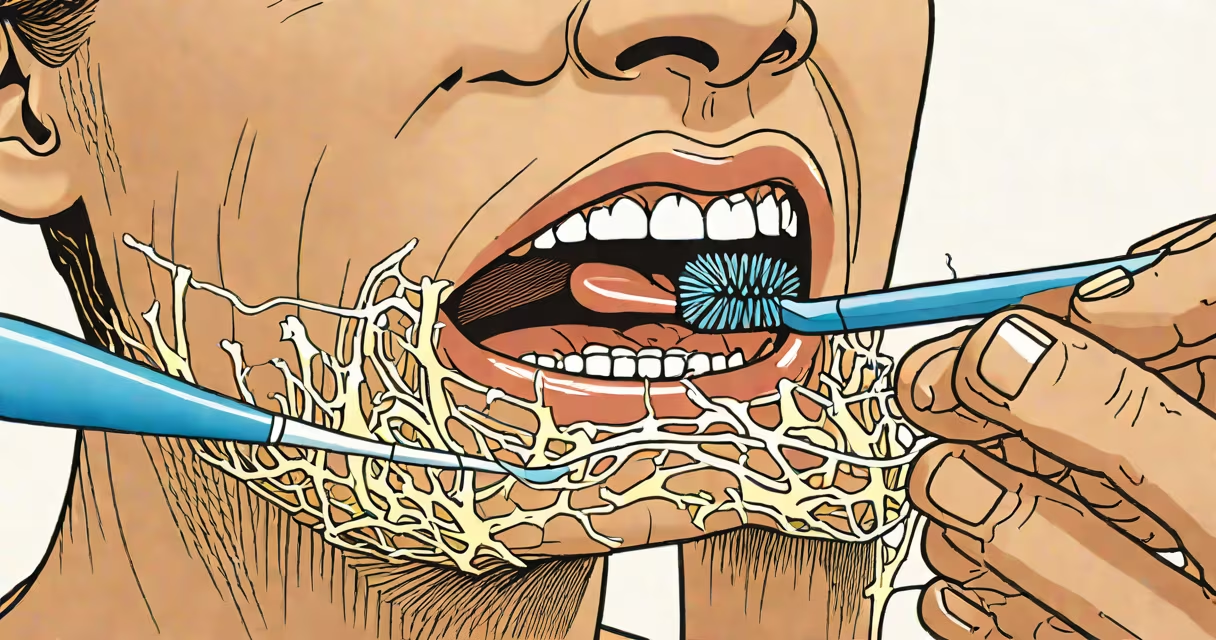
Your breath smells when volatile sulfur compounds produced by oral bacteria accumulate in the mouth, creating an odor detectable to others. This condition, medically known as halitosis, affects over 50% of adults at some point, often linked to poor oral hygiene, dry mouth, or underlying health issues.
Bacteria in the mouth feed on food particles and dead cells, breaking them down into smelly byproducts like hydrogen sulfide and methyl mercaptan. These gases escape through the nose and mouth, causing unpleasant odors. The tongue's surface, especially the back, hosts the highest concentration of these microbes, making it a primary source of bad breath.
Saliva reduces bacterial growth by washing away debris and neutralizing acids. Reduced saliva flow during sleep leads to morning breath. Dehydration, certain medications, and breathing through the mouth further decrease saliva, worsening odor. A 2021 study in the Journal of Clinical Periodontology found that people with low salivary flow were 3.2 times more likely to report persistent halitosis.
Oral bacteria metabolize proteins in food remnants and shed epithelial cells. This process releases sulfur-containing compounds that are highly volatile and easily detected by smell receptors. The most common culprits are hydrogen sulfide (rotten egg smell), methyl mercaptan (garlic or onion odor), and dimethyl sulfide (sweet, cabbage-like scent).
These compounds form in biofilms-thin layers of bacteria that adhere to teeth, gums, and the tongue. Biofilms resist mechanical removal and can persist despite brushing. A 2019 review in the International Journal of Oral Science noted that biofilm-associated halitosis accounts for 85% of cases originating in the oral cavity.
Smell perception varies. Some individuals cannot detect their own breath odor due to olfactory adaptation-a neurological phenomenon where the brain stops registering constant stimuli. This makes self-assessment unreliable. The "lick test" (licking the back of the hand and smelling it after 10 seconds) is a simple way to check, though less accurate than clinical tools.
Bad breath falls into two categories: physiological (normal) and pathological (medical). Physiological halitosis occurs briefly after eating, fasting, or sleeping. Pathological halitosis persists beyond routine hygiene and may signal systemic disease.
| Type | Origin | Prevalence | Key Triggers |
|---|---|---|---|
| Physiological | Oral cavity | 60-70% | Morning breath, fasting, garlic/strong spices |
| Pathological | Systemic or oral disease | 15-20% | Dental decay, gum disease, diabetes, liver/kidney issues |
| Psychogenic | Perception only | 5-10% | Unrealistic fear of bad breath despite normal results |
Oral causes include untreated cavities, infected root canals, and periodontitis. Gum disease affects nearly half of U.S. adults aged 30 and older, according to the CDC. Inflammation allows bacteria to invade deeper tissues, producing foul-smelling pus and gas.
Non-oral causes include uncontrolled diabetes (acetone breath), kidney failure (urine-like odor), and liver disease (musty, sweet smell). A 2020 study in the European Journal of Internal Medicine found that 12% of patients with chronic halitosis had undiagnosed gastrointestinal disorders.
Some people believe their breath smells worse than it actually does. This condition, called halitophobia, affects 1-2% of the population. It often stems from anxiety or obsessive-compulsive tendencies and leads to excessive brushing, flossing, and mouthwash use-sometimes worsening the problem.
A non-obvious distinction: breath odor from the lungs differs from oral odor. Lung-originating smells are typically more uniform and less localized. For example, acetone breath in diabetic ketoacidosis has a fruity, sweet scent not tied to the mouth. This requires medical evaluation, not just dental care.
I once observed a patient who reported persistent bad breath despite daily brushing and flossing. Initial exam showed healthy gums and clean teeth. Saliva testing revealed low flow. After adjusting medication and increasing hydration, the odor resolved within two weeks. This case highlights that breath smell isn't always about visible plaque or decay.
Effective solutions target the root cause. Brushing twice daily with fluoride toothpaste removes plaque and food debris. Flossing daily clears interdental spaces where bacteria thrive. Tongue scraping, especially of the posterior third, reduces sulfur-producing bacteria by up to 70%, per a 2017 study in the Journal of Periodontology.
Mouthwashes containing cetylpyridinium chloride or chlorhexidine reduce bacterial load. However, alcohol-based rinses dry the mouth and may worsen halitosis long-term. A 2022 review in the American Dental Association journal found that alcohol-free antiseptic rinses reduced volatile sulfur compounds by 45% over four weeks.
Staying hydrated increases saliva production. Sipping water throughout the day prevents dry mouth. Chewing sugar-free gum stimulates salivary flow and neutralizes acids. Xylitol-containing gum has been shown to reduce Streptococcus mutans levels by 30% in six months.
Some remedies fail. Relying solely on mints or breath sprays masks odor without addressing the source. Overuse of mouthwash can disrupt oral microbiome balance, leading to rebound halitosis. The American Dental Association warns against using antibacterial mouthwashes daily for more than two weeks without professional guidance.
If your breath still smells after consistent oral care, consult a dentist or physician. Persistent halitosis despite brushing, flossing, and tongue cleaning may indicate gum disease, sinus infection, or gastrointestinal reflux.
For example, a 42-year-old man reported chronic bad breath for over a year. He brushed twice daily and used mouthwash. Dental exam revealed deep periodontal pockets and bleeding on probing. Treatment with scaling and root planing reduced his breath odor. A follow-up visit six months later confirmed sustained improvement.
Underlying conditions like acid reflux, nasal polyps, or postnasal drip can contribute. A 2023 study in the Journal of Oral Rehabilitation found that 28% of patients with chronic halitosis had undiagnosed gastroesophageal reflux disease (GERD). Treating the root issue resolves the symptom in most cases.
Regular dental check-ups every six months catch early signs of disease. Routine screening includes visual inspection, probing for gum pockets, and assessment of oral hygiene habits. Early detection prevents progression to advanced periodontitis and systemic complications.
Your breath smells not because you're unclean-but because biology is at work. With targeted care, most cases resolve quickly. Identify the source, act on it, and restore confidence in your breath.