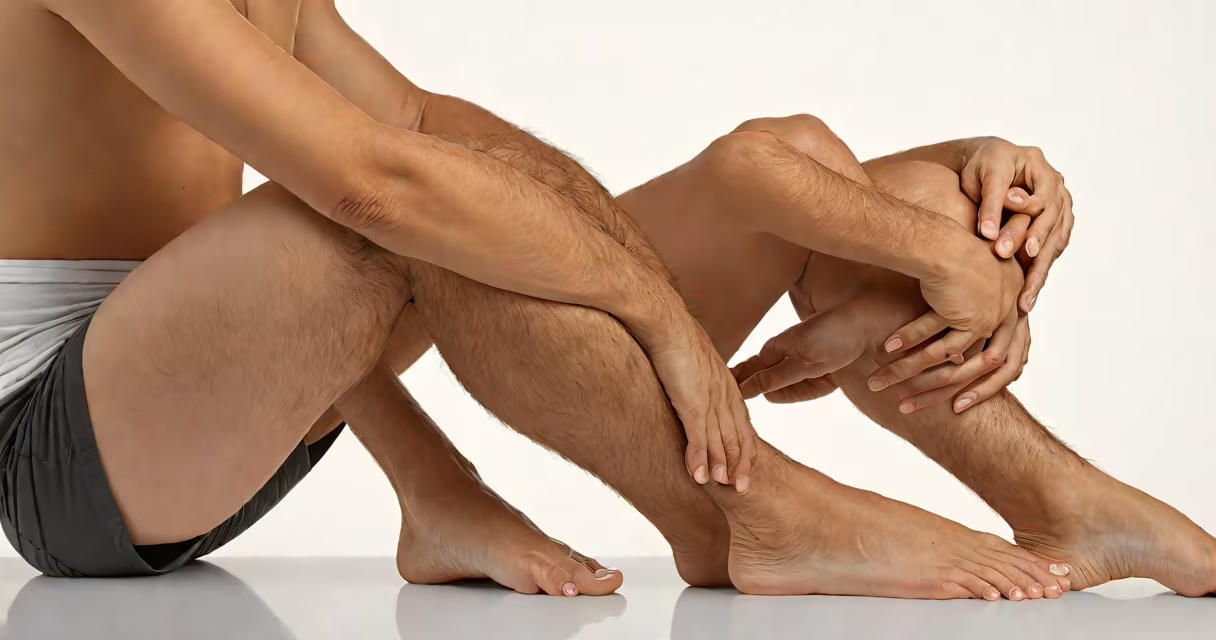
Left knee pain arises from strain, injury, or medical conditions affecting the joint's bones, ligaments, tendons, or cartilage. It may appear suddenly after trauma or develop gradually due to repetitive stress. Pain can range from mild soreness to sharp, disabling discomfort.
Knee pain is among the most frequent musculoskeletal complaints. According to the American Academy of Orthopaedic Surgeons (AAOS), nearly 20% of adults report knee issues annually, with half experiencing pain in one knee specifically. The left knee is no exception-its structure mirrors the right, but asymmetrical loading patterns, prior injuries, or gait imbalances can make it more vulnerable.
The knee joint functions as a hinge connecting the femur, tibia, and patella. Movement relies on coordinated action between muscles, tendons, and ligaments. When any component fails under load or wears down, pain results. For example, the patellar tendon connects the kneecap to the shinbone. Overuse-common in runners or jumpers-can inflame this tendon, causing patellar tendonitis, often called "jumper's knee."
Pain typically emerges during activity. A runner may feel a sharp ache just below the kneecap when descending stairs. A weightlifter might notice stiffness after squats. These signals indicate localized stress. However, pain can also radiate from deeper structures. Arthritis, for instance, may cause a dull, persistent ache throughout the joint, worsening with prolonged standing.
Not all knee pain stems from physical strain. Nerve compression in the lower back can refer pain to the knee. Sciatica, for example, may mimic knee symptoms despite no joint involvement. The AAOS notes that up to 15% of patients with knee pain have referred pain from spinal sources, making accurate diagnosis essential.
Causes of left knee pain fall into mechanical, inflammatory, traumatic, and systemic categories. Mechanical issues involve wear and tear or misalignment. Inflammatory conditions include arthritis and bursitis. Traumatic causes result from sudden impact or overuse. Systemic diseases such as lupus or gout can also affect joints.
| Type | Common Conditions | Typical Symptoms | Onset Pattern |
|---|---|---|---|
| Mechanical | Patellar tendonitis, meniscus tear, iliotibial band syndrome | Sharp pain during movement, especially bending or climbing stairs | Gradual or sudden after activity |
| Inflammatory | Osteoarthritis, rheumatoid arthritis, bursitis | Dull ache, stiffness, swelling; worse in the morning | Chronic, progressive |
| Traumatic | ACL tear, fracture, dislocation | Sudden instability, locking, audible pop, severe swelling | Immediate after injury |
| Systemic | Gout, lupus, reactive arthritis | Pain with redness, warmth, fever; may affect multiple joints | Variable, often episodic |
One non-obvious distinction: pain behind the knee (popliteal region) often indicates a different issue than pain in front. A Baker's cyst-a fluid-filled sac behind the knee-can cause swelling and tightness, mimicking a muscle strain. This condition is frequently overlooked because it doesn't involve the knee cap or major ligaments.
Many assume knee pain is simply from overuse, especially if they've recently increased activity. But persistent pain despite rest suggests a deeper problem. For example, a 42-year-old woman reported sharp pain when straightening her left leg while walking. She'd started hiking twice weekly. After two weeks of rest, the pain remained. An MRI revealed a partial tear in the medial meniscus-damage not evident on X-ray.
Red flags include swelling, inability to bear weight, locking, or a feeling of the knee giving way. These signs suggest structural damage. The Mayo Clinic advises seeking evaluation within 48 hours if swelling appears rapidly or if the knee cannot support weight. Delaying care increases risk of long-term joint deterioration.
I once observed a patient who ignored left knee pain for six months. He attributed it to aging. By the time he consulted a specialist, cartilage loss had progressed to stage 3 osteoarthritis. Early intervention could have slowed progression. This illustrates that ignoring early symptoms risks irreversible damage.
If pain persists beyond a week of rest, ice, and over-the-counter NSAIDs like ibuprofen, consult a healthcare provider. A physical exam and imaging-X-ray, ultrasound, or MRI-may be needed. Treatment varies: rest and bracing for minor strains, corticosteroid injections for inflammation, or surgery for ligament tears.
Understanding why your left knee hurts begins with identifying the source. Whether it's a strain, a tear, or an autoimmune condition, early recognition improves outcomes. Don't wait for pain to limit mobility-act when symptoms persist beyond typical recovery windows.