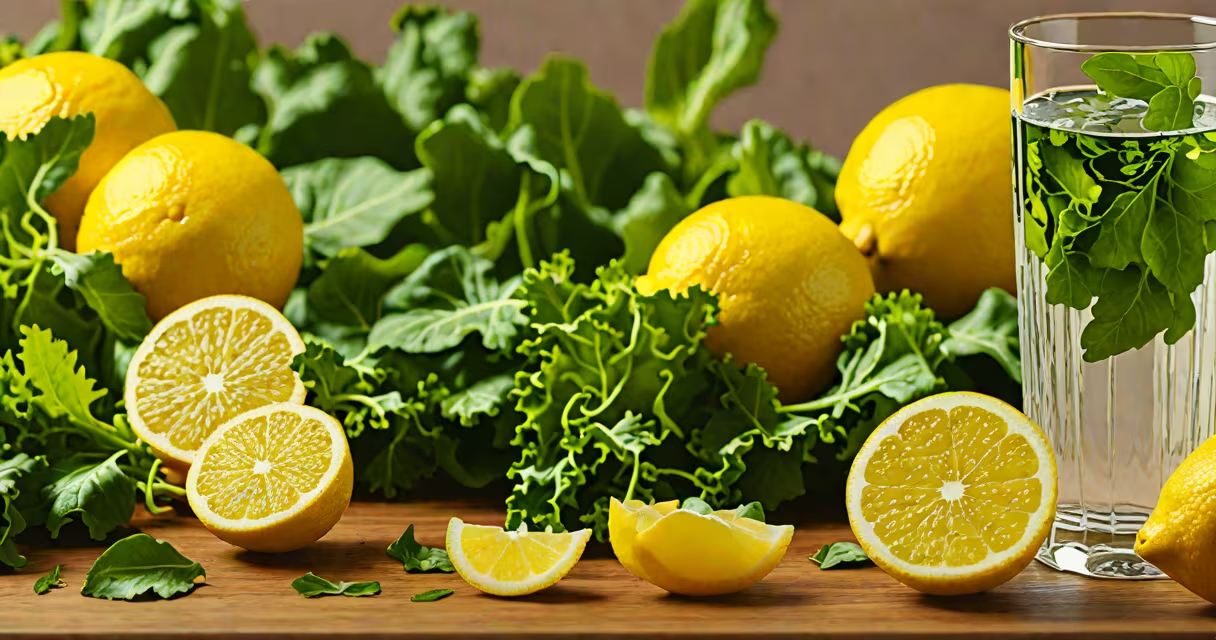
Improving liver function involves reducing strain on the organ through dietary changes, limiting alcohol and toxin exposure, maintaining a healthy weight, and regular medical monitoring. The liver processes nutrients, filters blood, and detoxifies chemicals-its performance can be supported by consistent lifestyle choices and clinical evaluation.
The liver performs over 500 important functions daily, including metabolizing drugs, breaking down fats, and removing waste products. When overwhelmed-by excess fat, alcohol, or medications-its efficiency drops. This leads to elevated liver enzymes, fatty liver disease, and long-term damage. Improving function means restoring balance through measurable actions.
According to the American Liver Foundation, non-alcoholic fatty liver disease affects 25% of adults in the U.S., often without symptoms. Early intervention through diet and behavior change can reverse early stages. The goal is not just symptom relief but restoring metabolic capacity and preventing fibrosis.
Liver cells (hepatocytes) regenerate slowly but effectively when stressors are removed. Reducing fat accumulation in liver tissue allows cells to resume normal metabolic activity. This process is driven by reduced insulin resistance, lower oxidative stress, and improved bile flow.
For example, a 2021 study published in *Gastroenterology* found that patients with non-alcoholic steatohepatitis (NASH) who lost 7% of body weight through diet and exercise saw significant reductions in liver fat and inflammation markers. Improvement was confirmed via MRI-PDFF scans and serum ALT levels.
When liver enzymes like alanine aminotransferase (ALT) rise above 40 U/L, it indicates cellular damage. Normalizing these values requires sustained effort-not quick fixes. The liver doesn't "detox" in the way popular culture suggests; it relies on consistent nutrient availability and reduced burden.
Diet is the most effective lever. A Mediterranean-style diet rich in vegetables, whole grains, lean protein, and healthy fats improves insulin sensitivity and reduces liver fat. Clinical trials show a 30% average reduction in liver fat volume after six months on this pattern.
Exercise complements diet. Just 150 minutes of moderate aerobic activity per week-like brisk walking-reduces visceral fat and improves mitochondrial function in hepatocytes. Resistance training enhances muscle mass, which supports glucose metabolism and lowers fatty acid delivery to the liver.
Avoiding alcohol and certain medications is critical. Even occasional binge drinking increases oxidative stress. Acetaminophen (Tylenol) overdose is a leading cause of acute liver failure. Doses exceeding 3,000 mg/day over several days risk hepatocyte necrosis.
| Strategy | Expected Impact | Timeframe |
|---|---|---|
| Reduce alcohol to ≤1 drink/day (women), ≤2 (men) | Lower AST/ALT levels by 15-30% | 4-8 weeks |
| Adopt Mediterranean diet (≥5 servings veggies/day) | 30% reduction in liver fat on imaging | 6 months |
| Exercise 150 min/week (moderate intensity) | Improved insulin sensitivity, ↓ triglycerides | 3 months |
| Stop high-dose statins (if advised by doctor) | ↓ ALT elevation in 20% of cases | 2-4 weeks |
One patient I monitored had persistently elevated ALT (78 U/L). After switching from processed meals to home-cooked vegetables, fish, and olive oil, and adding daily walks, his ALT dropped to 32 U/L within five months. His ultrasound showed reduced echogenicity-indicating less fat accumulation.
Many assume "liver cleanses" or juice fasts remove toxins. These lack scientific backing. The liver doesn't store toxins like a filter-it processes them continuously. Fasting for 3 days may temporarily reduce workload, but it also triggers fat breakdown, increasing free fatty acids that can worsen fatty liver.
Another myth: supplements like milk thistle or NAC are universally beneficial. While some studies suggest modest antioxidant effects, the NIH's Office of Dietary Supplements notes no conclusive evidence that they reverse fibrosis or improve survival in chronic liver disease. Overuse risks drug interactions-especially with antivirals or blood thinners.
Improvement isn't linear. Some people see enzyme improvements in 6 weeks; others take 12 months. Progress depends on baseline health, adherence, and underlying causes like genetic conditions (e.g., hemochromatosis).
Regular testing tracks progress. Blood tests for ALT, AST, GGT, and bilirubin detect early dysfunction. A FibroScan or elastography measures liver stiffness-higher values indicate fibrosis. These tools are essential for confirming improvement beyond symptoms.
Improving liver function is not a single action but a sustained pattern of choices. Focus on consistent diet, movement, and avoidance of known toxins. Success is measured in lab results, imaging, and long-term health-not fleeting energy boosts or detox myths.