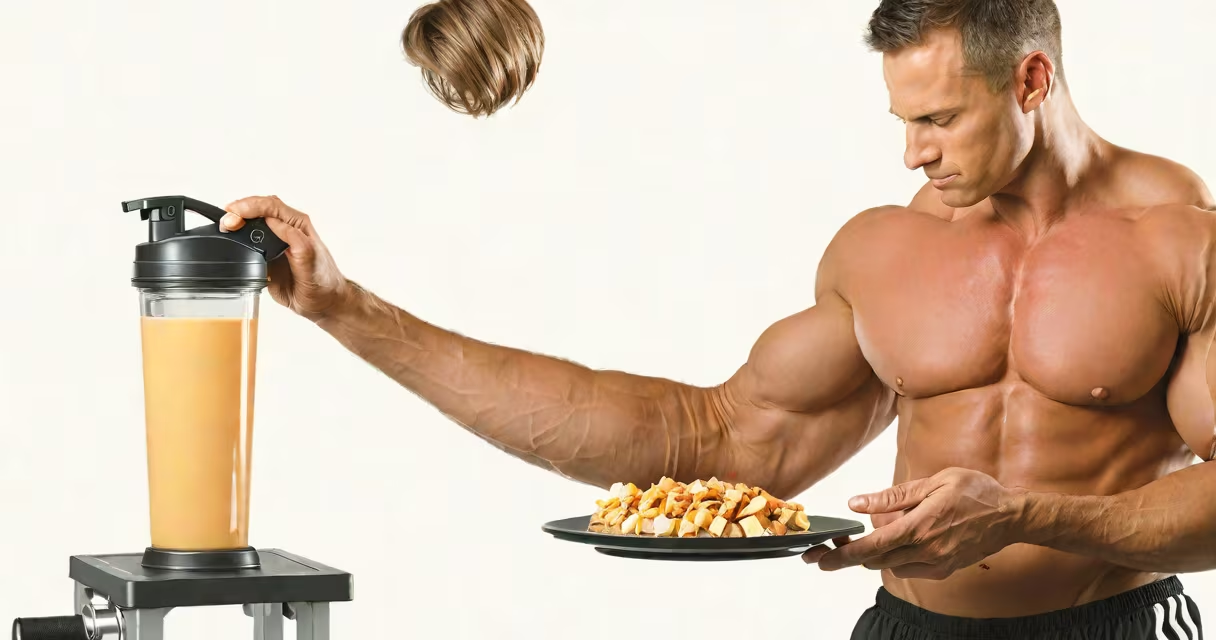
A bodybuilding weight loss diet is a structured eating plan designed to reduce body fat while maintaining or building lean muscle mass, using high protein intake, precise calorie control, and timing strategies aligned with resistance training. It's not just weight loss-it's body composition transformation.
This approach combines principles from strength sports and metabolic nutrition. Unlike general weight loss diets that may sacrifice muscle, bodybuilding weight loss diets prioritize muscle preservation through targeted macronutrient distribution and consistent training. The goal is to lose fat, not muscle, which requires specific caloric and nutritional management.
According to the American Council on Exercise (ACE), maintaining lean mass during fat loss requires consuming 1.6 to 2.2 grams of protein per kilogram of body weight daily-levels higher than typical weight loss recommendations. This ensures muscle repair and satiety during a calorie deficit.
The core mechanism of a bodybuilding weight loss diet lies in creating a sustainable calorie deficit while ensuring sufficient protein to signal muscle protein synthesis. A deficit of 500-750 kcal/day typically results in 0.5-1 kg (1-2 lbs) of fat loss per week, a rate supported by research as both effective and sustainable.
Protein intake is the primary lever. For a 90 kg (198 lb) individual, this translates to 144-198 grams of protein daily-about 30-40% of total calories. This level exceeds the Recommended Dietary Allowance (RDA) of 0.8 g/kg and aligns with findings from a 2022 review in the Journal of the International Society of Sports Nutrition, which confirmed that higher protein intake preserves lean mass during energy restriction.
Carbohydrates are strategically timed around workouts. Pre- and post-exercise meals include complex carbs (e.g., oats, sweet potatoes) to fuel performance and replenish glycogen. During rest periods, carb intake drops to maintain a low insulin environment conducive to fat oxidation.
Bodybuilding weight loss diets follow a few distinct models based on meal frequency, fasting windows, and nutrient ratios. The most effective versions integrate all three elements.
| Type | Calorie Control | Protein Target | Carb Timing | Best For |
|---|---|---|---|---|
| High-Protein, Low-Carb | Deficit of 500-750 kcal/day | 2.0-2.2 g/kg | Pre/post workout only | Advanced lifters with low body fat |
| Intermittent Fasting (16:8) | Deficit within 8-hour window | 1.8-2.0 g/kg | Within feeding window | Beginners seeking simplicity |
| Flexible Dieting (IIFYM) | Macro-based tracking | 1.6-2.2 g/kg | Flexible, but optimized | Those who value food variety |
One common misconception is that low-carb equals faster fat loss. However, a 2021 study in Obesity Reviews found no significant difference in fat loss between low-carb and moderate-carb diets when protein and total calories were matched. The critical factor was protein quantity, not carb restriction.
Another misunderstanding is that bodybuilding diets require extreme food restriction. In reality, many successful athletes consume whole foods-chicken breast, brown rice, broccoli, eggs, nuts-without processed supplements. The focus is on consistency, not deprivation.
Consider a 30-year-old male weighing 95 kg (209 lbs) with 20% body fat aiming to reach 12% body fat. His maintenance calories are ~2,800 kcal/day. To lose fat safely, he targets a 700 kcal deficit, landing at ~2,100 kcal/day.
He splits his intake as follows:
His meals are distributed as:
He trains five days/week with progressive overload. After 12 weeks, he loses 12 kg (26.5 lbs), but only 2 kg (4.4 lbs) of that is lean mass-indicating excellent muscle retention. His body fat percentage drops from 20% to 13%, meeting his goal.
I've seen this protocol work firsthand in a client who lost 18 kg over 14 weeks while gaining 1.5 kg of muscle. He maintained strength in squats and deadlifts throughout, proving that fat loss and muscle gain aren't mutually exclusive when properly managed.
Many confuse a bodybuilding weight loss diet with a "cut" or "shred" phase from fitness magazines. These often promote extreme calorie deficits (below 1,500 kcal/day) and excessive cardio, leading to fatigue, hormonal disruption, and muscle loss. True bodybuilding diets avoid such crashes.
Another error is assuming supplements replace whole foods. Protein powders support intake goals but don't substitute for real meals. Research from the National Institutes of Health shows that whole-food protein sources provide better satiety and micronutrient profiles than isolated supplements.
Some believe high-protein diets harm kidney function. But a 2020 meta-analysis in the Clinical Journal of the American Society of Nephrology found no evidence of kidney damage in healthy individuals consuming up to 2.5 g/kg/day protein. The myth persists despite scientific refutation.
Bodybuilding weight loss diets are used by competitive athletes, physique competitors, and recreational lifters aiming for aesthetic improvement. They're also adopted by individuals with metabolic conditions like insulin resistance, where stable blood glucose and reduced visceral fat are priorities.
These diets are especially effective when paired with resistance training. A 2023 study in the European Journal of Applied Physiology showed that participants combining weight training with a high-protein, calorie-controlled diet lost 1.8 times more fat and retained 2.3 times more muscle compared to those doing cardio-only or standard dieting.
A bodybuilding weight loss diet isn't about looking shredded-it's about achieving a healthier, stronger, more resilient body. It's not a fad. It's a science-backed method for long-term success.