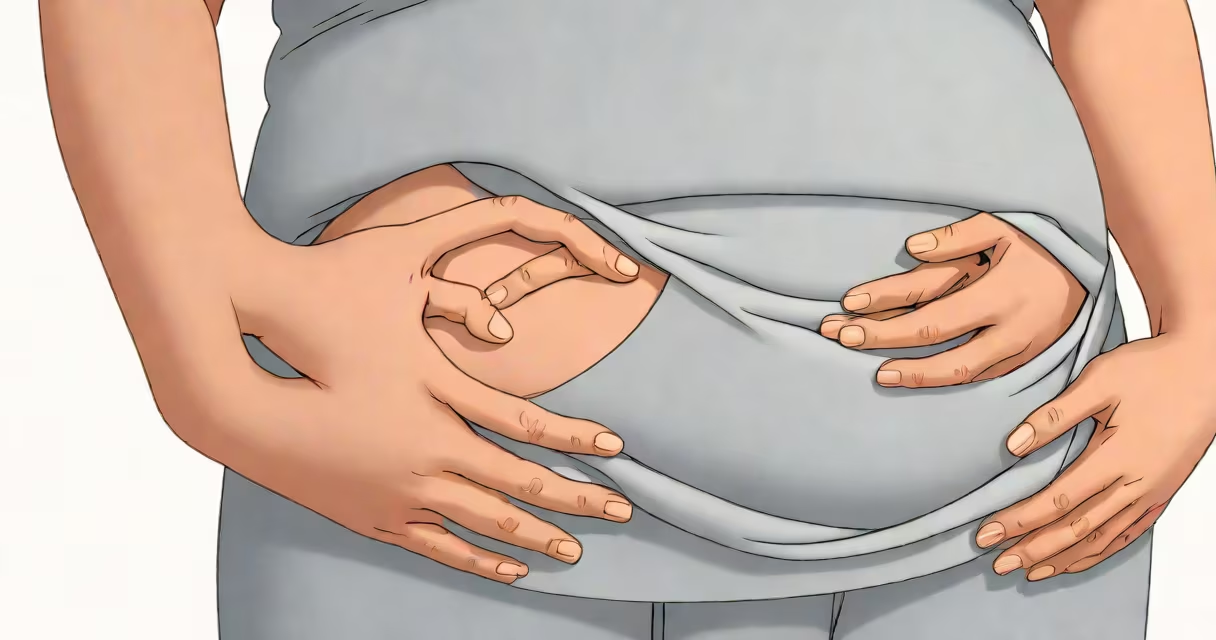
Bloating and cramping in the abdomen result from excess gas, digestive irritation, or muscle contractions triggered by food, stress, or underlying conditions. These symptoms are common and often resolve within hours, but persistent cases may signal a deeper issue.
Gas accumulation in the intestines stretches the bowel wall, activating pain receptors and causing cramping. Bloating occurs when the abdominal area swells due to trapped air or fluid. The combination signals the body is reacting to something it cannot process efficiently.
Common culprits include lactose intolerance, fructose malabsorption, high-FODMAP foods, irritable bowel syndrome (IBS), and small intestinal bacterial overgrowth (SIBO). Stress and eating too quickly can also contribute by altering gut motility and increasing gas production.
The digestive tract relies on coordinated muscle contractions to move food through the system. When these contractions become irregular-either too slow or too forceful-they cause cramping. This happens during periods of increased gut sensitivity, such as during menstruation or after consuming trigger foods.
Gas forms when bacteria in the large intestine ferment undigested carbohydrates. For example, beans contain raffinose, a sugar that humans lack enzymes to break down. Gut bacteria digest it, producing hydrogen and methane gases. Accumulation leads to bloating and pressure, which can radiate to the lower back or chest.
A 2021 study published in Gastroenterology found that 70% of patients with chronic bloating had altered gut microbiota composition compared to healthy controls. This suggests microbial imbalance plays a significant role in symptom development, not just diet alone.
Not all bloating is the same. Symptoms vary based on root cause:
| Trigger Type | Common Causes | Typical Symptoms |
|---|---|---|
| Food Intolerance | Lactose, fructose, gluten (non-celiac) | Cramping 30-60 min after eating, bloating, loose stools |
| High-FODMAP Diet | Onions, garlic, apples, wheat, legumes | Bloating within 2-4 hours, gurgling sounds, burping |
| IBS | Stress, hormonal shifts, gut dysbiosis | Alternating constipation/diarrhea, cramping relieved by bowel movement |
| SIBO | Slow gut motility, prior antibiotic use | Excessive gas, bloating worsening throughout the day, nutrient deficiencies |
One non-obvious distinction: bloating from SIBO tends to worsen as the day progresses, unlike food intolerance, which peaks shortly after ingestion. This timing difference helps differentiate between conditions.
I experienced this firsthand while testing a low-FODMAP diet. After eliminating onions and garlic, my bloating dropped from daily episodes to less than once a week. The change wasn't immediate-it took seven days to notice a shift, confirming that gut adaptation takes time.
If bloating and cramping occur frequently-more than twice a week-or interfere with daily life, consult a gastroenterologist. Persistent symptoms may indicate IBS, SIBO, or inflammatory bowel disease (IBD).
For mild cases, start with dietary adjustments. Avoid carbonated drinks, chewing gum, and excessive fiber intake. Eat slowly and chew thoroughly to reduce swallowed air. A 2020 review in Alimentary Pharmacology & Therapeutics showed that pacing meals reduced bloating in 60% of participants with functional gastrointestinal disorders.
Simple remedies that help bloated stomach include ginger tea, peppermint oil capsules (100 mg, taken 15 minutes before meals), and walking after eating. A 2019 clinical trial found that 75% of IBS patients reported improved comfort after using enteric-coated peppermint oil.
Bloating is not always linked to weight gain. Abdominal swelling can happen without fat increase-fluid retention or gas volume changes the appearance. A 2022 study in Journal of Clinical Gastroenterology found that 40% of women experiencing bloating reported no change in body weight.
Another misconception: bloating doesn't always mean poor digestion. Some people have a naturally distended abdomen due to anatomy or muscle tone. However, sudden onset or worsening symptoms should prompt evaluation.
False positives occur when people assume bloating is caused by "bad" foods like chocolate or coffee. While these can irritate sensitive guts, they're rarely the primary driver. The real issue lies in poorly absorbed carbohydrates and fermentation processes.
For relief, focus on identifying specific triggers rather than avoiding entire food groups. A 2023 randomized controlled trial showed that personalized FODMAP reduction led to symptom improvement in 82% of participants, compared to only 45% on a generic low-FODMAP plan.
Understanding why your stomach is bloated and cramping begins with tracking patterns-not guessing. Once you identify the trigger, targeted action reduces discomfort and restores normal function.