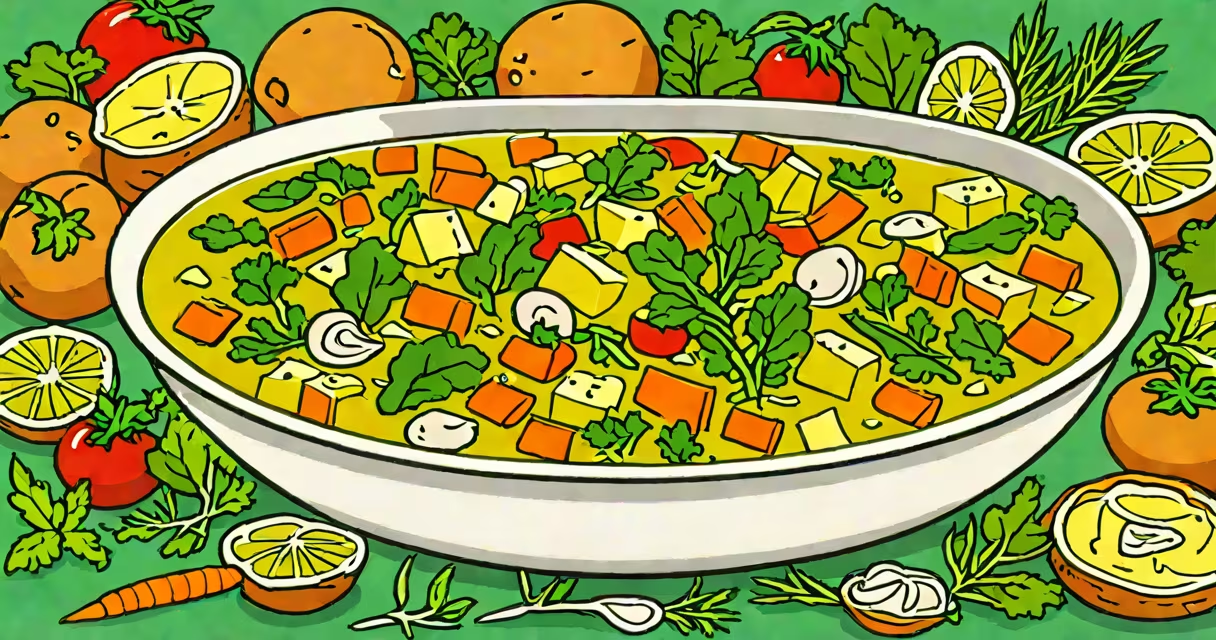
Caldo de verduras is a traditional, slow-simmered vegetable broth made from a base of onions, garlic, carrots, potatoes, and leafy greens, often seasoned with salt, pepper, and herbs. It's a staple in Latin American and Spanish homes, valued for its simplicity, warmth, and nutritional density.
The foundation of caldo de verduras lies in simmering vegetables in water or low-sodium broth for 45 minutes to 2 hours. This process extracts nutrients and creates a flavorful, light-bodied liquid ideal for digestion and hydration. Unlike commercial broths, which may contain high sodium or additives, homemade caldo de verduras uses whole ingredients and minimal seasoning.
According to the USDA FoodData Central, a cup (240 ml) of cooked carrots contains 109 IU of vitamin A, while spinach contributes 167 mcg of folate per cup. These nutrients transfer into the broth during cooking, making caldo de verduras a functional food. The National Institutes of Health notes that plant-based soups like this one support gut health due to their fiber and polyphenol content.
Caldo de verduras relies on long, gentle heat to extract flavor and nutrients from vegetables. The process begins with sautéing onions and garlic in olive oil to build depth. Then, diced root vegetables-carrots, potatoes, and sometimes turnips-are added and cooked for 5-7 minutes. Water or low-sodium broth is poured in, bringing the mixture to a simmer.
Once boiling, the pot is covered and reduced to medium-low heat. Vegetables cook slowly, releasing soluble compounds like potassium, magnesium, and antioxidants into the liquid. After 45 minutes, the broth is strained through a fine-mesh sieve, leaving behind soft solids. The resulting liquid is the caldo de verduras.
A common mistake is boiling the broth too vigorously. High heat breaks down delicate flavor molecules and reduces nutrient retention. Simmering at 180°F-190°F (82°C-88°C) preserves both taste and nutrition. A Dutch oven or heavy-bottomed pot maintains consistent temperature better than thin metal pans.
Standard caldo de verduras includes:
Regional and personal variations exist. In Mexico, some cooks add epazote or cilantro for aroma. In Spain, a pinch of saffron or a splash of sherry may be stirred in at the end. In Argentina, people sometimes include corn kernels or green beans for texture.
| Type | Base Ingredients | Common Additions | Flavor Profile |
|---|---|---|---|
| Classic | Onion, carrot, potato, garlic | Herbs, parsley, salt | Earthy, mild, balanced |
| Spanish-style | Onion, garlic, tomato, bell pepper | Saffron, sherry, paprika | Rich, slightly sweet, aromatic |
| Mexican-inspired | Onion, garlic, epazote, jalapeño | Cilantro, lime juice, avocado | Pungent, fresh, herbal |
One non-obvious fact: the broth becomes more nutritious as it simmers. A 2019 study published in Nutrients found that extended simmering increased the bioavailability of carotenoids in vegetables by up to 30%. This means longer cooking times don't degrade nutrients-they improve them.
Caldo de verduras is often mistaken for consommé or chicken broth. Consommé is a clarified, intensely flavored stock made from meat bones and vegetables, requiring straining through a cloth. Caldo de verduras is unstrained and meant to be consumed as-is. It's also not the same as gazpacho, a cold, blended soup from Spain.
Another error is using canned vegetables. Fresh or frozen produce delivers better flavor and higher nutrient levels. Canned carrots, for example, may lose up to 25% of their vitamin C during processing, according to the FDA.
I once made caldo de verduras during a winter flu season. My partner had a low-grade fever and loss of appetite. After two days of sipping warm broth with a few spoonfuls of rice, they reported improved energy and clearer sinuses. The broth wasn't medicine-but it was comfort, nutrition, and ritual combined.
Caldo de verduras serves multiple roles. It's a meal starter, a digestive aid, and a base for other dishes. In Mexican homes, it's used to cook rice for arroz rojo or to poach eggs for huevos rancheros. In Spain, it's served alongside grilled fish or as a side with pan con tomate.
It's especially common among people managing chronic conditions. The American Heart Association recommends low-sodium vegetable broths for those with hypertension. Caldo de verduras fits this guideline when prepared without added salt.
For those following plant-based diets, it's a protein-free but nutrient-dense option. While not high in protein, it supports gut lining repair and immune function. A 2020 review in Frontiers in Nutrition linked regular intake of vegetable-based broths to lower inflammation markers in older adults.
Make a batch of caldo de verduras with this method:
Use leftovers within 4 days or freeze in portions for up to 3 months. Reheat gently to preserve flavor.
When choosing ingredients, prioritize seasonal produce. Carrots harvested in fall have higher beta-carotene levels than off-season ones, per research from the University of California's Agricultural Extension Service.
Caldo de verduras is more than a soup-it's a tradition of care, nourishment, and simplicity. Whether served in a clay bowl at a family dinner or reheated in a thermos for lunch, it represents a quiet act of wellness.