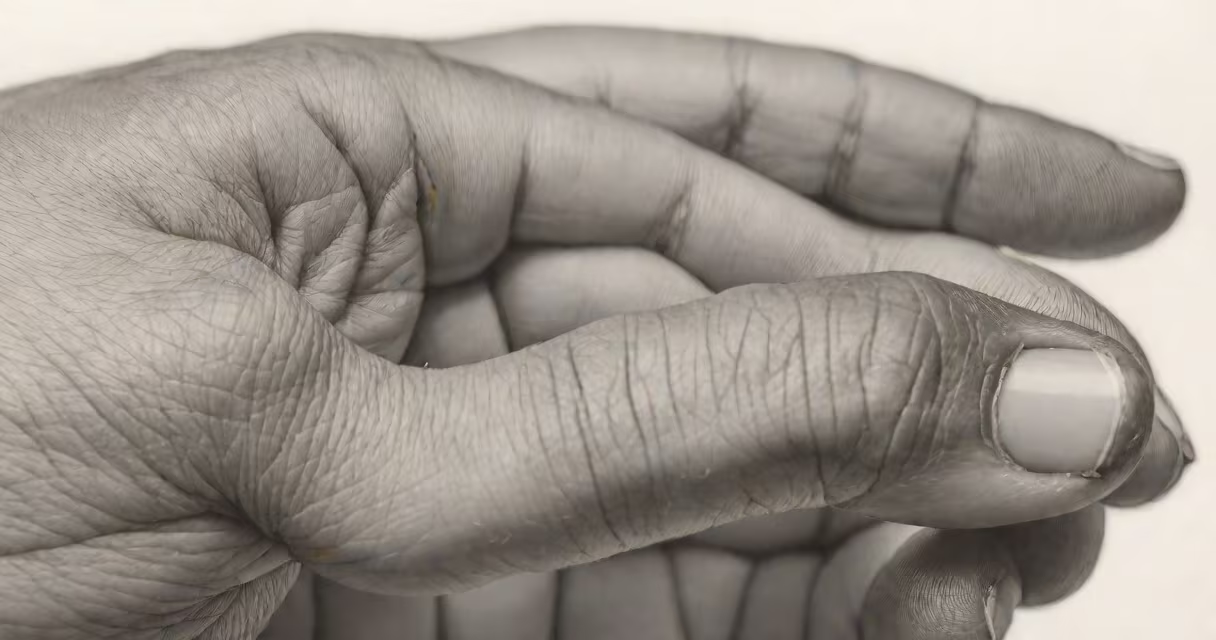
Finger stiffness occurs when movement in one or more joints of the finger becomes limited or painful, often due to inflammation, injury, or degenerative conditions affecting the joints or tendons. It's a common symptom with multiple underlying causes, ranging from temporary strain to chronic diseases.
Stiffness typically develops gradually, especially in older adults, and may worsen in the morning or after periods of inactivity. It can affect one finger or several, and may come with swelling, pain, or a clicking sensation during motion. Identifying the root cause is essential for effective treatment.
The fingers contain 14 bones, 18 joints, and numerous tendons and ligaments. Movement relies on precise coordination between muscles, tendons, and joint surfaces. When any component is disrupted-through wear, trauma, or disease-the system fails to function smoothly.
For example, in osteoarthritis, cartilage wears down over time. As the protective cushion between bones erodes, bone rubs against bone, causing pain and reduced range of motion. This leads to stiffness, particularly after rest. A 2021 study published in *Arthritis & Rheumatology* found that 60% of adults over 60 show radiographic signs of hand osteoarthritis, though not all have symptoms.
Another mechanism involves tendon sheath inflammation. When the sheath surrounding a tendon swells, it restricts the tendon's glide through the pulley system. This results in a "trigger" effect-where the finger locks in a bent position and snaps straight upon release. This condition, known as stenosing tenosynovitis, commonly affects the thumb and middle finger.
Several distinct conditions cause finger stiffness. The most frequent include:
| Condition | Key Features | Typical Age Group |
|---|---|---|
| Osteoarthritis | Painful, gradual stiffness; bony nodules at distal interphalangeal joints (Heberden's nodes) | Over 50 |
| Rheumatoid Arthritis | Swelling, warmth, symmetrical stiffness; morning stiffness lasting over 30 minutes | 30-50 |
| Trigger Finger | Finger locks in bent position; snapping when straightened; often affects thumb or ring finger | 40-60 |
| Carpal Tunnel Syndrome | Numbness, tingling in thumb, index, middle fingers; stiffness may occur secondary to altered hand use | 30-60 |
Each condition presents differently. For instance, rheumatoid arthritis often causes symmetric stiffness-both hands affected similarly-while trigger finger usually impacts only one digit. A 2020 review in *The Journal of Hand Surgery* noted that trigger finger is twice as common in women and strongly linked to diabetes and repetitive gripping tasks.
Non-disease-related causes include acute injuries such as sprains or fractures. Even minor trauma-like jamming a finger in a door-can lead to temporary stiffness due to swelling and protective muscle guarding. These cases typically resolve within days to weeks with rest and ice.
Many assume stiffness is simply "age-related," but it's not normal to lose finger mobility with aging. While joint changes do occur, significant stiffness warrants evaluation. Some people dismiss early signs of rheumatoid arthritis as "just getting old," delaying diagnosis by years.
A common misconception is that stiffness equals arthritis. Not all joint stiffness stems from arthritis. Conditions like Dupuytren's contracture-where thickened tissue pulls fingers into permanent flexion-do not involve joint inflammation. This can mimic stiffness but requires different treatment.
Another error is treating stiffness with over-the-counter painkillers alone. While NSAIDs reduce pain and swelling, they don't address the underlying issue. For example, untreated trigger finger can progress to permanent locking, requiring surgical release.
Consider a 52-year-old office worker who developed stiffness in her right ring finger. She noticed it wouldn't straighten unless she used her other hand to pull it. Over two weeks, the finger locked in a bent position, then snapped straight with a sharp click.
She consulted a hand specialist. An ultrasound confirmed thickening of the A1 pulley and tendon swelling-classic signs of trigger finger. After a corticosteroid injection, the finger regained full motion within five days. Without intervention, the condition could have led to permanent dysfunction.
This case illustrates that stiffness isn't always reversible with rest. Early diagnosis and targeted treatment prevent long-term damage.
Consult a healthcare provider if stiffness persists beyond a week, worsens over time, or limits daily tasks like typing, buttoning clothes, or holding utensils. Red flags include swelling, redness, warmth, or inability to move the finger at all.
Chronic stiffness, especially with fatigue, weight loss, or fever, may indicate systemic illness. Rheumatoid arthritis often presents with prolonged morning stiffness (>30 minutes), fatigue, and joint swelling. Early treatment reduces joint damage and improves outcomes.
Even mild stiffness shouldn't be ignored. A physical exam and imaging-such as X-rays or ultrasound-help differentiate between mechanical, inflammatory, and traumatic causes. Treatment varies widely: from splinting and injections to surgery.
Understanding why your finger is stiff begins with recognizing that it's a signal-not a minor annoyance. Addressing it early prevents disability and preserves hand function.