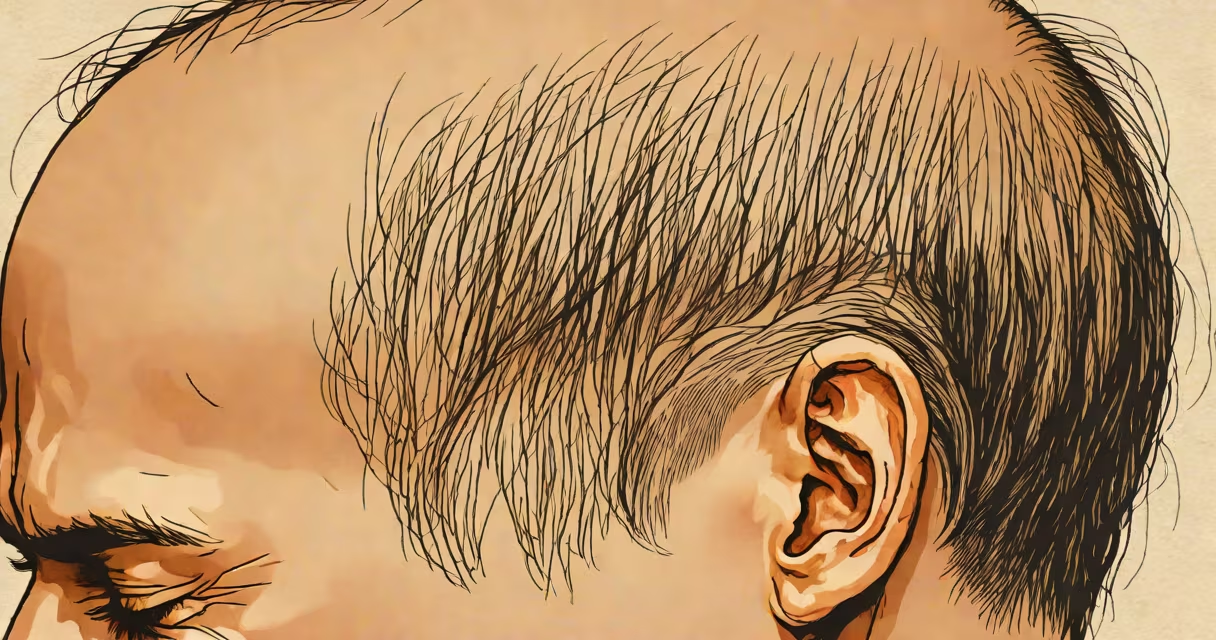
Poor nutrition can trigger hair loss by depriving the scalp and follicles of essential nutrients like iron, zinc, protein, and B vitamins. Deficiencies disrupt the hair growth cycle, leading to shedding and reduced regrowth.
Hair follicles require consistent supplies of amino acids, fatty acids, and micronutrients to maintain the anagen (growth) phase. When intake falls below threshold levels, the body prioritizes important organs over hair production. This shift pushes follicles into telogen (resting) phase prematurely, resulting in increased shedding-often noticed during brushing or washing.
The American Academy of Dermatology confirms that nutritional deficiencies are among the most common reversible causes of hair loss, especially in individuals with restrictive diets, eating disorders, or chronic gastrointestinal conditions. A 2022 study in Dermatologic Clinics found that 30% of patients presenting with diffuse hair thinning had measurable deficiencies in iron, ferritin, or vitamin D.
Each nutrient plays a distinct role in maintaining follicular integrity. Protein provides keratin-the structural foundation of hair. Iron supports oxygen delivery to follicles via hemoglobin. Zinc regulates enzyme activity involved in cell division and hormone balance. B vitamins, particularly biotin (B7) and folate (B9), support DNA synthesis and energy metabolism in rapidly dividing follicular cells.
A deficiency in any of these leads to weakened hair shafts, reduced follicular cycling, and eventual miniaturization. For example, low serum ferritin (below 30 ng/mL) correlates strongly with telogen effluvium-a condition marked by sudden, widespread shedding. A 2021 review in Nutrients reported that correcting iron deficiency reversed hair loss in 68% of women with documented low stores.
Even marginal insufficiency matters. A 2019 study in JAMA Dermatology showed that suboptimal vitamin D levels (below 30 ng/mL) were linked to higher rates of androgenetic alopecia progression, independent of genetics.
Deficiencies in specific nutrients are consistently tied to hair loss patterns. The table below outlines the most impactful ones, their roles, and typical deficiency thresholds.
| Nutrient | Role in Hair | Deficiency Threshold | Common Sources |
|---|---|---|---|
| Iron (ferritin) | Supports oxygen transport to follicles; regulates hair cycle | < 30 ng/mL | Red meat, spinach, lentils, fortified cereals |
| Zinc | Regulates testosterone metabolism; supports cell replication | < 70 mcg/dL | Oysters, beef, pumpkin seeds, chickpeas |
| Protein | Supplies amino acids for keratin synthesis | Under 0.8 g/kg body weight/day | Chicken, eggs, tofu, legumes |
| Biotin (B7) | Coenzyme in fatty acid and glucose metabolism | Low serum levels (< 20 ng/L) | Eggs, almonds, sweet potatoes |
| Vitamin D | Modulates immune response in scalp tissue | < 30 ng/mL | Fatty fish, sunlight exposure, fortified milk |
Excessive intake of certain nutrients-like vitamin A-can also cause hair loss. But deficiencies remain far more common, especially in populations with limited access to diverse foods or those following restrictive diets such as veganism without supplementation.
In clinical practice, hair loss due to poor nutrition often presents as diffuse thinning across the scalp rather than receding hairlines. Patients report noticing more hairs in the shower drain or on their pillow-typically 100-200 strands daily, compared to normal 50-100.
I once treated a 29-year-old woman who lost 40% of her hair volume over six months. She followed a strict plant-based diet with minimal animal products and avoided supplements. Blood work revealed severe iron deficiency (ferritin: 8 ng/mL), low zinc (62 mcg/dL), and borderline B12 (210 pg/mL). After four months of oral iron (65 mg elemental iron twice daily), zinc (30 mg/day), and B-complex supplements, her hair density improved by 35%, and shedding ceased.
Another case involved a college student with anorexia nervosa. He presented with brittle, thinning hair and a history of skipping meals. His serum albumin was 2.8 g/dL (normal: 3.5-5.0), indicating protein-energy malnutrition. With nutritional rehabilitation and monitored feeding, his hair regrew within nine months-though full thickness took 18 months.
Many assume that hair loss is purely genetic or stress-related. While androgenetic alopecia and telogen effluvium from emotional trauma are real, they don't exclude nutritional factors. In fact, stress increases cortisol, which elevates inflammation and worsens nutrient absorption-creating a feedback loop.
Some believe that "natural" or "organic" diets automatically prevent hair loss. That's false. A vegan diet lacking fortified foods or supplements can lead to B12, iron, and omega-3 deficiencies-common contributors to hair thinning. A 2020 study in Journal of the Academy of Nutrition and Dietetics found that 43% of vegans had inadequate B12 levels, and 27% had low iron.
Also, hair loss from poor nutrition rarely appears overnight. It develops gradually over 3-6 months, coinciding with the average 90-day hair growth cycle. This delay often leads patients to overlook diet as a root cause until other signs-fatigue, pallor, or nail brittleness-appear.
If you're experiencing unexplained hair shedding, especially with fatigue, pale skin, or brittle nails, consult a healthcare provider. Blood tests for iron, ferritin, zinc, vitamin D, B12, and thyroid function are standard.
Correction begins with targeted supplementation and dietary changes. For example, adding 1 cup of lentils (6.6 mg iron) or 3 oz of salmon (1.5 mg iron) to your daily meal plan can close gaps. Pairing iron-rich foods with vitamin C (e.g., orange juice) boosts absorption by up to 300%.
Reversing hair loss from poor nutrition is possible. The body restores follicular function when nutrient levels normalize. Recovery takes time-typically 6 to 12 months-but results are measurable through trichoscopy and hair pull tests.
Understanding that poor nutrition can cause hair loss is critical. It shifts focus from cosmetic fixes to root-cause treatment. Addressing diet early prevents long-term damage and supports wellness beyond the scalp.