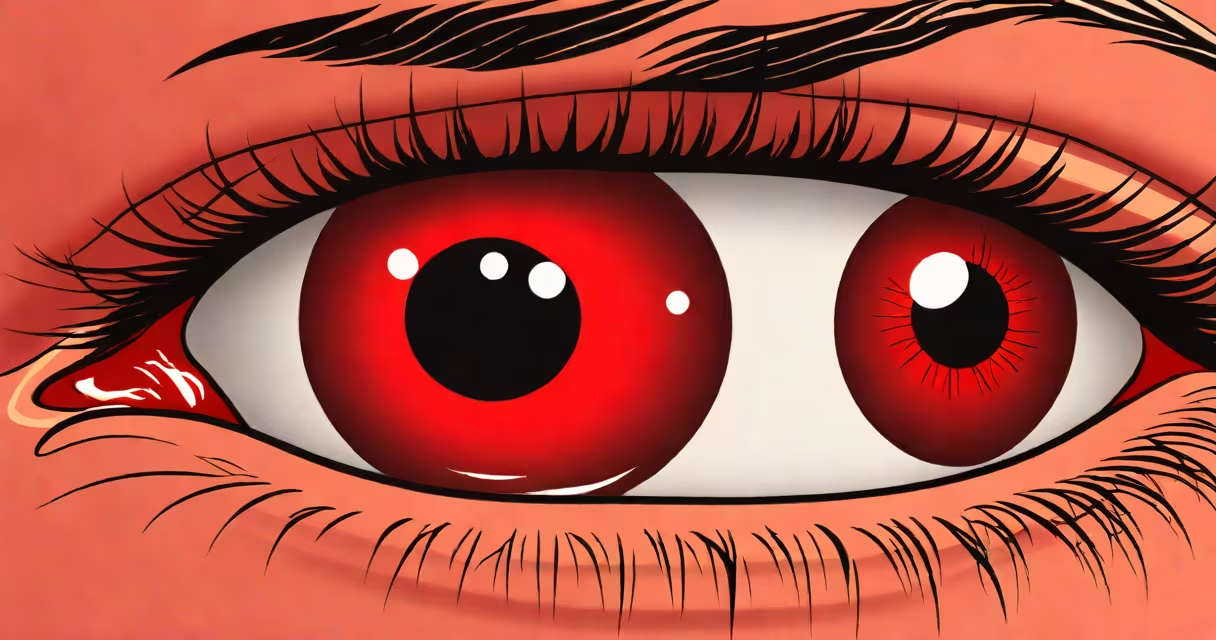
A blood burst in eye, medically known as a subconjunctival hemorrhage, occurs when a small blood vessel bursts beneath the clear surface of the eye (the conjunctiva), causing visible redness. It typically appears suddenly, often after coughing, sneezing, or straining, and may look alarming but rarely causes pain or vision changes.
The condition results from a tiny rupture in a capillary under the conjunctiva. These vessels are fragile and can break due to minor trauma, increased intraocular pressure, or underlying health issues. Most cases resolve within 10 to 14 days without treatment, though the appearance may shift from bright red to yellow or green during healing.
According to the American Academy of Ophthalmology, subconjunctival hemorrhages affect about 1 in 100 people annually and are most common in adults aged 40 to 60. They are not contagious, do not spread to the other eye, and do not require antibiotics or antiviral medication.
Beneath the conjunctiva lies a network of microvessels that supply oxygen to the outer layer of the eye. When pressure increases-such as during heavy lifting, vomiting, or intense laughter-these vessels can rupture. Blood leaks into the space between the conjunctiva and the sclera (the white of the eye), creating a localized red or purple discoloration.
The blood remains trapped because the conjunctiva lacks major drainage pathways. As the body reabsorbs the fluid, the color changes: red → dark purple → yellowish-green → clear. This process takes roughly 10 to 14 days, depending on individual healing rates and blood volume.
Unlike bruising elsewhere on the body, the eye cannot form a hematoma. Instead, the blood spreads diffusely across the sclera, giving the appearance of a "bloody" eye. The redness does not blur vision or cause discharge, distinguishing it from infections like conjunctivitis.
Subconjunctival hemorrhages fall into two categories based on cause: traumatic and spontaneous. Traumatic cases result from direct injury, such as rubbing the eye too hard or getting hit in the face. Spontaneous cases occur without obvious injury and are linked to systemic factors.
| Type | Common Causes | Typical Patient Profile |
|---|---|---|
| Traumatic | Eye rubbing, foreign object impact, contact lens insertion, surgery | Younger adults, athletes, manual laborers |
| Spontaneous | High blood pressure, diabetes, blood thinners, aging, coughing fits | Adults over 40, those with chronic conditions |
One non-obvious factor: certain medications increase risk. Anticoagulants like warfarin and antiplatelets such as aspirin reduce clotting ability, making blood vessels more prone to rupture. A 2021 study in *Ophthalmology* found that patients on anticoagulants had a 3.2 times higher incidence of subconjunctival hemorrhage compared to non-users.
Another overlooked trigger: sleep position. Lying flat on one side for extended periods may increase venous pressure in the head, contributing to vessel rupture. A case report in *Journal of Clinical Ophthalmology* documented a patient whose hemorrhage consistently appeared on the same eye each morning-linked to sleeping on that side.
Subconjunctival hemorrhages are most common in environments involving physical exertion or prolonged strain. Construction workers, weightlifters, and individuals with chronic respiratory conditions (like COPD) report higher rates. Even childbirth, which involves pushing, can trigger episodes.
They're also associated with systemic diseases. Hypertension is a key contributor. High blood pressure weakens small vessels over time, increasing fragility. The National Eye Institute notes that recurrent hemorrhages may precede a diagnosis of hypertension by months. In one cohort study, 17% of patients with uncontrolled hypertension experienced at least one episode of subconjunctival hemorrhage.
Diabetes contributes through microvascular damage. Elevated glucose levels impair endothelial function, making vessels more likely to leak. Patients with diabetic retinopathy have a higher baseline risk of ocular bleeding events, including subconjunctival hemorrhage.
Many mistake a blood burst in eye for a sign of stroke or brain bleed. This is incorrect. The hemorrhage is confined to the eye's surface and does not involve the brain. It is not life-threatening unless caused by severe trauma or underlying disease.
Another misconception: that it requires medical intervention. Most cases resolve on their own. The American Academy of Ophthalmology states that routine evaluation is unnecessary unless the patient experiences pain, vision loss, or recurrence in both eyes. Persistent or frequent episodes warrant a visit to rule out systemic causes.
Some patients fear permanent damage. However, the eye's surface heals completely. There is no scarring, no long-term visual impairment, and no need for surgery. The redness fades gradually-no drops or ointments speed recovery.
In 2022, a 52-year-old man reported waking to find his left eye entirely red. He had no pain, no vision change, and no recent injury. He was taking lisinopril for high blood pressure and had recently started a new workout regimen involving heavy squats. His primary care doctor diagnosed a subconjunctival hemorrhage. After two weeks, the redness faded completely. Follow-up blood pressure checks revealed the value had risen to 158/96 mmHg-previously undiagnosed hypertension. Treatment with lifestyle changes and adjusted medication prevented further episodes.
This case illustrates that while the hemorrhage itself is benign, it can serve as a clinical clue. The eye acts as a window to vascular health. A single episode may not require action, but recurrence demands attention.
Seek immediate evaluation if the redness is accompanied by pain, light sensitivity, blurred vision, or swelling. These symptoms suggest infection, glaucoma, or uveitis-not a simple hemorrhage.
Recurrent episodes, especially in both eyes, may indicate a bleeding disorder. Conditions like von Willebrand disease or thrombocytopenia can cause spontaneous hemorrhages. A complete blood count and coagulation panel may be needed.
If you've taken blood thinners and notice bleeding, inform your doctor. While not always dangerous, repeated hemorrhages may prompt dosage adjustment.
Most blood bursts in eye are self-limiting. They appear dramatic but pose little threat. Understanding the mechanism, recognizing warning signs, and knowing when to act separates concern from alarm.