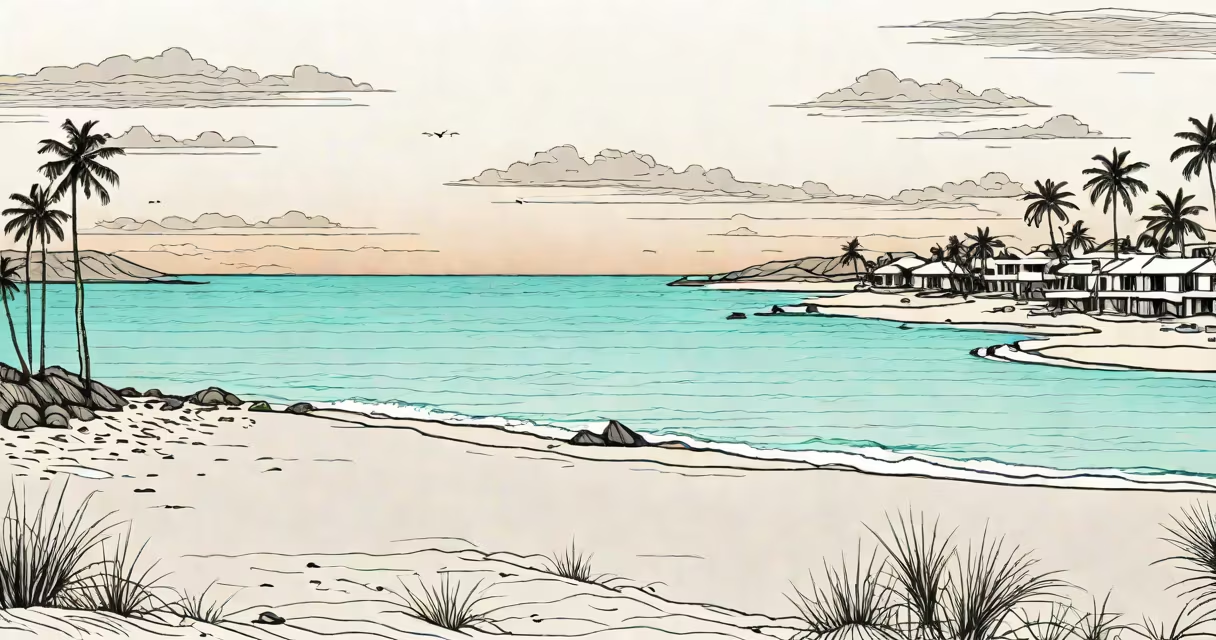
A trip to Cape Verde is a process to a group of 10 volcanic islands in the central Atlantic Ocean, located off the west coast of Africa. These islands blend African, Portuguese, and Caribbean influences into a unique cultural and geographic experience. The archipelago is known for its year-round warm climate, dramatic terrain, and vibrant music scene.
Cape Verde lies approximately 570 kilometers (350 miles) west of Senegal. Its capital, Praia, sits on the island of Santiago. The country is officially called República de Cabo Verde and uses the Cape Verdean escudo (CVE) as its currency. Portuguese is the official language, spoken by nearly all residents, though many also speak Crioulo-a creole language formed from Portuguese and West African dialects.
Travelers choose a trip to Cape Verde for its combination of adventure, relaxation, and authenticity. Popular activities include hiking on Pico do Fogo, diving in São Vicente's coral reefs, and attending the annual Carnival in Mindelo. The islands are also home to some of the most consistent wind conditions in the world, making them a top destination for kitesurfing and windsurfing.
Most travelers fly into Praia International Airport (SID) on Santiago, the largest and most accessible island. Direct flights from Europe, North America, and parts of South America connect through hubs like Lisbon, Paris, or Miami. Airlines such as TAP Air Portugal and Cape Verde Airlines operate regular service.
Once on the ground, visitors typically stay in beachfront hotels or guesthouses in areas like Santa Maria (Sal), Boa Vista's coastal towns, or Mindelo's historic center. Transportation between islands is limited but available via domestic flights operated by Cabo Verde Airlines. Ferries run between nearby islands during favorable weather, though schedules are infrequent and subject to change.
Visa requirements vary by nationality. Citizens of the United States, Canada, and most EU countries receive a 30-day tourist visa upon arrival. Travelers must have a passport valid for at least six months beyond their entry date. Health precautions include routine vaccinations and protection against mosquito-borne illnesses like dengue, which is present in some regions.
Cape Verde is not a typical African destination. Unlike many nations on the continent, it has no land borders and is surrounded entirely by ocean. This isolation has shaped a society deeply influenced by maritime trade, migration, and seafaring traditions. Over 200,000 Cape Verdeans live abroad-mainly in the U.S., Portugal, and the Netherlands-creating a global diaspora that shapes national identity.
The cuisine reflects this mix. Dishes like mufumba (a stew of fish, beans, and plantains) and caldo de peixe (fish soup) combine African ingredients with Portuguese cooking techniques. Street food includes kibbeh (spiced meatballs) and cachupa (a slow-cooked stew with corn, beans, and vegetables).
One lesser-known fact: Cape Verde hosts one of the highest densities of solar-powered microgrids in sub-Saharan Africa. Many rural villages rely on solar energy for lighting and refrigeration. This infrastructure supports sustainable tourism and reduces environmental impact compared to fossil-fuel-dependent destinations.
Many assume Cape Verde is part of West Africa due to its location. However, it is neither a member of the African Union nor part of the ECOWAS economic bloc. Instead, it is a member of the Community of Portuguese Language Countries (CPLP), linking it culturally and politically to Brazil, Portugal, and Angola.
Another misconception is that the islands are poor or underdeveloped. While Cape Verde ranks lower in GDP per capita than Western European nations, it has one of the highest Human Development Index scores in sub-Saharan Africa. The country consistently ranks among the top 10 safest nations in Africa and maintains low crime rates.
Some travelers expect a tropical rainforest environment. But Cape Verde's climate is semi-arid. Most islands receive less than 600 mm (24 inches) of rainfall annually. Vegetation is adapted to dry conditions-cacti, acacias, and endemic shrubs dominate the field. Beaches are often composed of fine white or black sand, depending on the island's geology.
Trips to Cape Verde fall into distinct categories based on duration, interests, and budget. A 7-day itinerary focused on relaxation might include stays on Sal or Boa Vista, with daily beach time, snorkeling, and sunset cruises. A 14-day adventure trip could involve hiking on Fogo, visiting historical sites in São Tiago, and exploring the salt flats of Sal.
| Type | Duration | Focus | Typical Cost Range (per person) |
|---|---|---|---|
| Beach & Relaxation | 5-7 days | Coastal resorts, water sports | $1,200-$2,000 |
| Adventure & Nature | 10-14 days | Hiking, birdwatching, volcano visits | $1,800-$3,000 |
| Cultural Immersion | 14+ days | Music festivals, local markets, homestays | $1,500-$2,500 |
For example, a couple planning a 10-day trip to Cape Verde might book a round-trip flight from New York to Praia for $1,300, rent a car on Sal for $300, and stay in a family-run guesthouse in Santa Maria for $120 per night. They'd spend $40 on a guided hike to the crater of Mount Fogo, $60 on a kitesurfing lesson, and $150 on meals and local transport. Total cost: around $2,300.
I once spent a week on São Vicente during the winter season. I stayed in a small villa in Mindelo, walked the colonial-era streets, and joined a local band for a late-night performance. The owner served me a plate of grilled octopus with banana fritters-simple, fresh, and unforgettable. That moment captured the spirit of a trip to Cape Verde: unscripted, personal, and deeply human.
When planning your trip to Cape Verde, consider the best time to visit. The dry season runs from December to June, with average temperatures between 24°C and 28°C (75°F-82°F). Rainfall increases from July to November, though storms are rare. The peak tourist season is January through April, when demand for accommodations rises sharply.