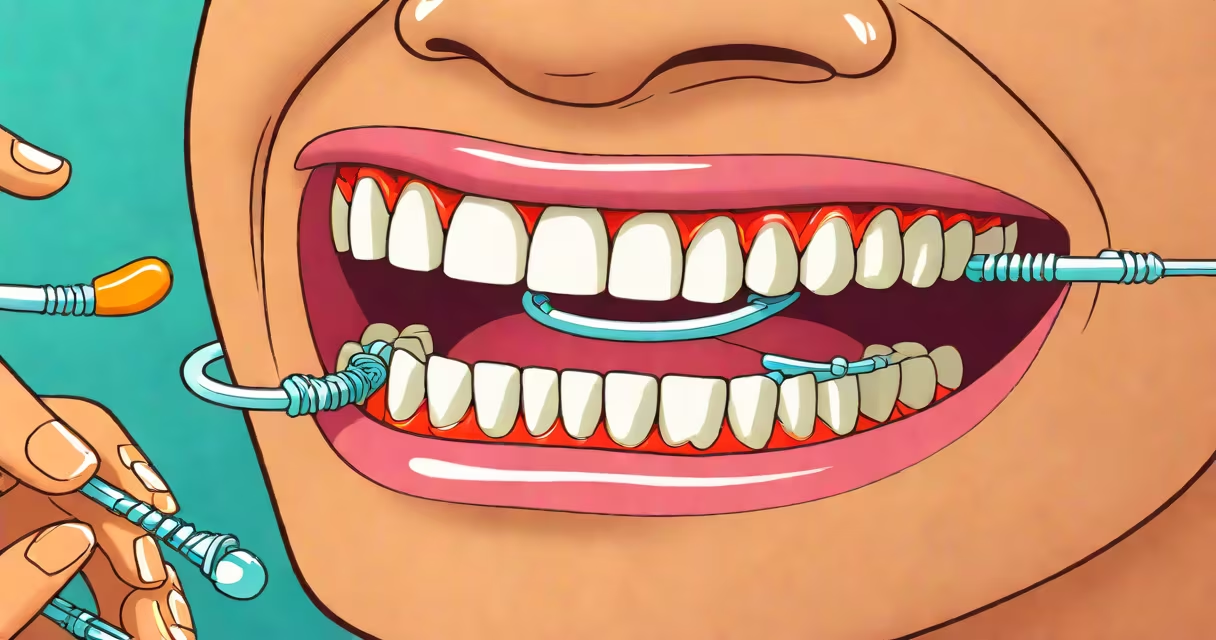
Braces hurt because they apply continuous force to move teeth, stretching periodontal ligaments and compressing bone tissue around tooth roots. This triggers inflammation and nerve sensitivity, resulting in sharp or dull pain lasting 2-7 days after adjustments.
The sensation stems from mechanical stress on living tissues. When brackets and wires exert pressure, they disrupt blood flow in the periodontal ligament-a thin layer of connective tissue surrounding each tooth root. As blood vessels constrict and cells release inflammatory mediators like prostaglandins, nearby nerves register pain signals. This process mirrors the body's response to injury, even though no actual damage occurs.
According to the American Association of Orthodontists (AAO), 90% of patients report discomfort within the first 24 hours after getting braces or receiving wire tightening. Pain typically peaks at 24-48 hours and subsides by day 5. The intensity varies based on individual pain thresholds, bracket placement precision, and wire thickness.
Each time the orthodontist tightens the archwire, tension increases across the dental arch. This force travels through the wire to the brackets bonded to each tooth. Teeth don't move instantly-they shift gradually via bone remodeling. Osteoclasts break down bone on the compression side while osteoblasts build new bone on the tension side. This biological process takes weeks but begins with immediate tissue strain.
Pain arises primarily from two sources: direct pressure on the periodontal ligament and secondary muscle fatigue. The ligament contains nociceptors-nerve endings sensitive to mechanical deformation. When compressed, they fire pain signals to the brain. Simultaneously, jaw muscles may tense unconsciously to protect the teeth, leading to facial soreness or headaches.
A 2021 study published in the Journal of Clinical Orthodontics found that patients with higher baseline anxiety levels reported 30% greater perceived pain during initial alignment phases. This suggests psychological factors influence pain perception, even when physical stimuli remain constant.
Pain intensity depends on several variables. Thicker wires (e.g., 0.018-inch stainless steel) generate more force than thinner ones (0.014-inch), increasing discomfort. Patients often feel more pain after wire changes or when switching to heavier elastic bands. The timing of adjustments also matters-most orthodontists schedule appointments every 4-6 weeks, aligning with peak pain cycles.
Some areas of the mouth hurt more than others. Molars and premolars have larger roots and more periodontal ligament volume, making them more sensitive. Upper teeth tend to hurt more than lower ones due to proximity to sinus cavities. Pressure on upper molars can radiate into the sinuses, mimicking sinus infection symptoms.
| Factor | Effect on Pain Level | Typical Duration |
|---|---|---|
| Initial placement | High (teeth feel loose) | 3-5 days |
| Wire change | Medium-high (sharp ache) | 2-4 days |
| Elastics worn daily | Low-medium (pressure on specific teeth) | 1-3 days |
| After removal | Minimal (minor shifting) | 1-2 days |
Pain that lasts longer than 7 days, worsens after day 5, or includes swelling, bleeding, or pus indicates a problem. These signs suggest infection, broken hardware, or improper fit. A 2019 review in the European Journal of Orthodontics noted that 2% of patients require emergency visits due to wire punctures or loose brackets causing tissue trauma.
Sharp, localized pain in one tooth-especially if it feels loose-is not normal. It may indicate a failed bond between bracket and enamel, allowing the bracket to shift and irritate the gum. If a wire end sticks out and cuts the cheek, it requires immediate attention. Most orthodontic offices offer emergency kits with wax and pliers for such cases.
I once saw a patient who reported intense pain after a weekend trip. Upon examination, a wire had bent and pierced the roof of their mouth. Removing the sharp end with sterile pliers and covering the area with orthodontic wax reduced pain within 15 minutes. This illustrates how minor hardware issues can escalate quickly without intervention.
Over-the-counter NSAIDs like ibuprofen reduce pain by inhibiting prostaglandin synthesis. Taking 400 mg every 6 hours for 3 days post-adjustment lowers inflammation and eases discomfort. Acetaminophen helps with pain but doesn't reduce swelling. Avoid aspirin-it increases bleeding risk during oral procedures.
Soft foods minimize chewing stress. Stick to mashed potatoes, yogurt, soup, and scrambled eggs for the first 3 days. Cold items like popsicles or ice packs applied externally to the jaw reduce swelling and numb nerve activity. A 2020 clinical trial showed cold therapy decreased pain scores by 40% compared to placebo.
Orthodontic wax is essential. Applying a small piece over sharp brackets or wire ends prevents abrasion. Use clean fingers or a cotton swab to press the wax into place. Reapply every 12 hours or after eating. Wax doesn't stop pain entirely but reduces irritation and allows better sleep.
Many assume pain means progress. While discomfort correlates with movement, persistent pain doesn't guarantee faster results. Over-tightening wires doesn't speed alignment-it increases injury risk. The AAO warns against self-adjustments, which can lead to root resorption or tooth loss.
Another myth: "I can skip appointments if I'm not hurting." Pain absence doesn't mean treatment is complete. Teeth continue shifting between visits. Skipping appointments delays treatment time by 2-3 months on average.
Some patients believe pain disappears after 2 weeks. It usually does-but not always. Lingering soreness beyond 7 days may signal underlying issues like poor bracket placement or excessive force. Persistent pain warrants evaluation.
If your braces hurt so badly that you can't eat or sleep, seek help promptly. Early intervention prevents complications and keeps your treatment on track.