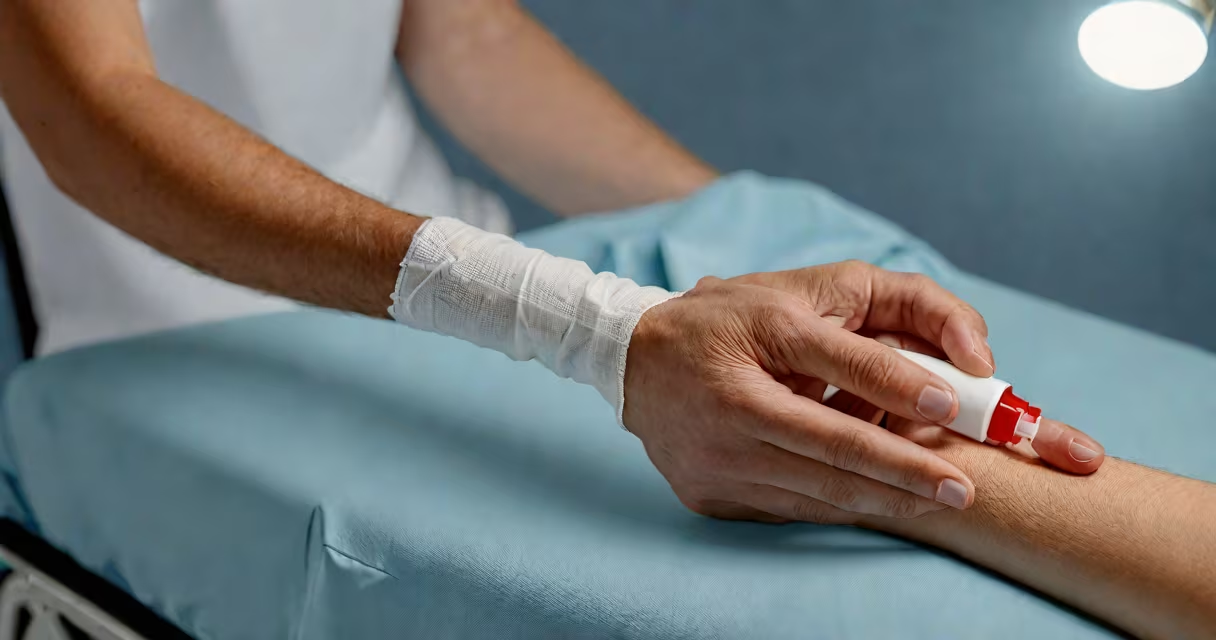
Donating blood involves giving 475 milliliters (about one pint) of whole blood, which the body replenishes within 48 hours. The process takes 45 to 60 minutes from arrival to departure, including screening and recovery.
Blood donation centers screen donors for eligibility using a brief health questionnaire and important signs check. If approved, a trained phlebotomist draws blood from the median cubital vein in the inner forearm. The actual draw lasts 5 to 10 minutes. Afterward, donors rest for 10 to 15 minutes and receive refreshments.
The American Red Cross reports that nearly 40% of U.S. adults are eligible to donate blood, but only 3% do annually. Eligibility depends on weight (at least 110 pounds), age (17 or 16 with parental consent), and health history. Donors must wait 56 days between whole blood donations.
Donation begins with registration. Donors provide identification and complete a confidential health history form. This includes questions about recent travel, medications, and past illnesses. The form screens for risks such as exposure to HIV, hepatitis B and C, and syphilis.
Important signs are checked next. Blood pressure, pulse, temperature, and hemoglobin levels are measured. Hemoglobin must be above 12.5 g/dL for women and 13.0 g/dL for men. Low levels disqualify donors to prevent anemia.
If all checks pass, the donor moves to the donation room. A sterile needle is inserted into the antecubital fossa. Blood flows through tubing into a collection bag containing an anticoagulant. The entire process takes 5 to 10 minutes. Most donors report mild discomfort, like a quick pinch or pressure, during insertion.
Whole blood donation is the most common. It provides red cells, plasma, and platelets. One unit supports up to three patients.
Power Red donation collects only red blood cells. It requires a longer session (up to 30 minutes) but allows donors to give twice as many red cells in one visit. Eligible donors may donate Power Red every 112 days.
Plateletpheresis isolates platelets. The donor's blood is drawn, spun in a machine to extract platelets, and returned. This takes 60 to 90 minutes. Platelet donors can give every 7 days, up to 24 times per year.
| Type | Duration | Frequency | Use |
|---|---|---|---|
| Whole blood | 45-60 min | Every 56 days | Red cells, plasma, platelets |
| Power Red | 30-45 min | Every 112 days | High-volume red cells |
| Plateletpheresis | 60-90 min | Every 7 days (max 24/year) | Platelets for cancer and trauma patients |
Many people believe donating blood causes weakness or dizziness. While rare, lightheadedness can occur due to vasovagal response-a drop in heart rate and blood pressure triggered by stress or sight of blood. Centers monitor donors closely and offer snacks and fluids to prevent this.
Another myth is that blood donation affects athletic performance. Research from the National Institutes of Health shows that healthy donors return to normal activity within 24 hours. A 2020 study published in Transfusion found no significant impact on VO₂ max or endurance in athletes who donated blood.
Some assume blood types are irrelevant to donation. In reality, blood type determines compatibility. Type O negative is the universal donor-can be given to anyone. AB positive is the universal recipient-can receive from any type. A Rh-negative blood is particularly valuable because it can be safely given to Rh-negative recipients, preventing complications in pregnancy.
Donors should drink extra fluids and eat protein-rich foods for 24 hours. Avoid heavy lifting or strenuous exercise for 24 hours. Most people feel fine within 15 minutes post-donation.
I once donated blood at a mobile drive during a heatwave. Despite feeling warm, I remained stable. The staff offered cold water and a banana. Within 10 minutes, my energy returned. That experience confirmed that proper hydration and nutrition are critical for recovery.
Side effects are uncommon. Minor bruising occurs in 10% of donors. Fainting happens in fewer than 1 in 1,000 cases. Serious complications are extremely rare. The FDA regulates all blood products and tests each unit for infectious diseases.
Every two seconds, someone in the U.S. needs blood. Trauma, surgery, cancer treatment, and chronic conditions require regular transfusions. One donation can save up to three lives.
Patients with sickle cell disease often need frequent transfusions. A child with the condition may require a blood transfusion every month. Donated blood ensures they maintain adequate oxygen delivery and reduce stroke risk.
When you donate, your blood is tested for HIV, hepatitis B and C, syphilis, and West Nile virus. It is then separated into components. Red cells are stored for up to 42 days. Platelets last five days. Plasma can be frozen for up to one year.
Donors receive a copy of their test results. If a result is abnormal, the center contacts the donor. Results are kept confidential under HIPAA regulations.
Donating blood is safe, straightforward, and deeply impactful. You can expect a brief, painless procedure with minimal downtime. Your contribution saves lives and strengthens community health systems.