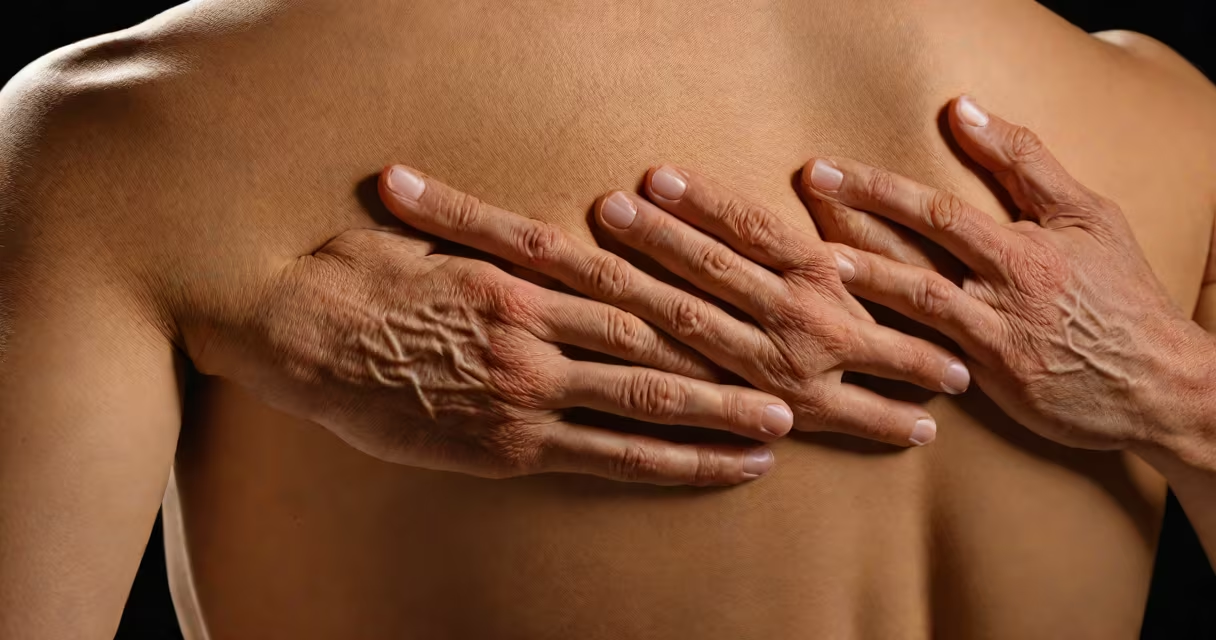
Pain in upper back and sternum refers to discomfort in the middle to upper spine and breastbone region, often caused by muscle strain, poor posture, or stress-but may also indicate serious underlying conditions like heart or lung issues. This pain can feel dull, sharp, or pressure-like and may radiate to the arms, neck, or jaw.
Upper back and sternum pain typically arises from physical stress on muscles, ligaments, or joints. Common triggers include prolonged sitting, heavy lifting, or sudden movements. However, because the sternum lies near important organs, this pain can sometimes reflect internal problems rather than musculoskeletal ones. Distinguishing between benign and concerning causes is essential.
The nervous system sends signals from the upper back and chest through spinal nerves. When tissue is irritated-such as strained muscles or inflamed joints-these nerves relay pain to the brain. But nerves from internal organs like the heart or lungs also travel through similar pathways, leading to referred pain. That's why heart attacks often cause pain in the left arm, shoulder, or sternum, not just the chest.
A 2021 study in the Journal of the American Heart Association found that 30% of patients experiencing acute coronary syndrome reported pain in the upper back or sternum, not classic central chest discomfort. This highlights why symptoms in these areas shouldn't be dismissed as "just muscle pain."
For example, a 52-year-old man with a history of high cholesterol felt a tight, squeezing sensation in his sternum and upper back during a walk. He assumed it was stiffness from weekend gardening. After five minutes of rest, the pain didn't ease. He called emergency services. An EKG confirmed an ST-elevation myocardial infarction (heart attack). His initial symptoms were atypical-non-central chest pain-yet still life-threatening.
Most cases of pain in upper back and sternum stem from musculoskeletal sources. These include:
Less common but critical causes involve internal systems:
This symptom cluster appears in primary care, emergency departments, and cardiology clinics. It's frequently evaluated in patients with risk factors such as smoking, obesity, diabetes, or a family history of heart disease.
For instance, a 45-year-old office worker with chronic upper back pain reported daily discomfort after long hours at a computer. She had no fever, no shortness of breath, and no history of heart issues. Imaging showed no structural abnormalities. Her pain improved with physical therapy and ergonomic adjustments. This case reflects typical musculoskeletal origin.
But when pain occurs suddenly, lasts longer than 10 minutes, or is accompanied by sweating, nausea, or dizziness, it demands immediate evaluation. The American College of Cardiology states that atypical presentations-especially in women and older adults-are more likely to be missed during triage.
Many assume pain in upper back and sternum is always due to "bad posture" or "overuse." But this overlooks red flags. A 2020 review in Chest journal noted that 15% of pulmonary embolism cases initially presented with isolated upper back pain and normal oxygen levels.
Another misconception: that costochondritis only affects young people. In reality, it can occur at any age and is often misdiagnosed as anxiety or cardiac issues. Diagnosis relies on tenderness at specific rib-sternum junctions, not imaging.
Also, many patients mistake acid reflux for musculoskeletal pain. Gastroesophageal reflux disease (GERD) causes burning sensations behind the sternum, often at night or after eating. It can mimic angina. A trial of proton-pump inhibitors may relieve symptoms-if they're truly reflux-related.
Use this table to compare features:
| Feature | Musculoskeletal | Cardiac/Pulmonary |
|---|---|---|
| Onset | Sudden or gradual, related to movement | Often sudden, unprovoked |
| Relief | Rest, heat, stretching | May not improve with rest; relieved by nitroglycerin (cardiac) |
| Associated Symptoms | Stiffness, localized tenderness | Sweating, nausea, dizziness, shortness of breath |
| Duration | Minutes to hours, improves with activity | Can last >10 minutes, persists despite rest |
I once saw a patient who described "burning in the chest and back" after dinner. He'd had similar episodes for months. He assumed it was indigestion. After a negative cardiac workup, he was diagnosed with GERD. A 24-hour pH probe test confirmed acid exposure in the esophagus. Treatment with omeprazole resolved his symptoms within two weeks.
If pain in upper back and sternum is new, severe, or accompanied by any of the following, seek urgent medical attention:
Chronic upper back pain linked to stress or poor ergonomics responds well to targeted exercises and posture correction. A 2019 randomized trial published in Spine found that patients with non-specific upper back pain improved after eight weeks of supervised exercise compared to placebo.
Remember: pain in upper back and sternum is not always harmless. While most cases are musculoskeletal, missing a cardiac or pulmonary cause can have fatal consequences. Always err on the side of caution when symptoms are new, intense, or atypical.