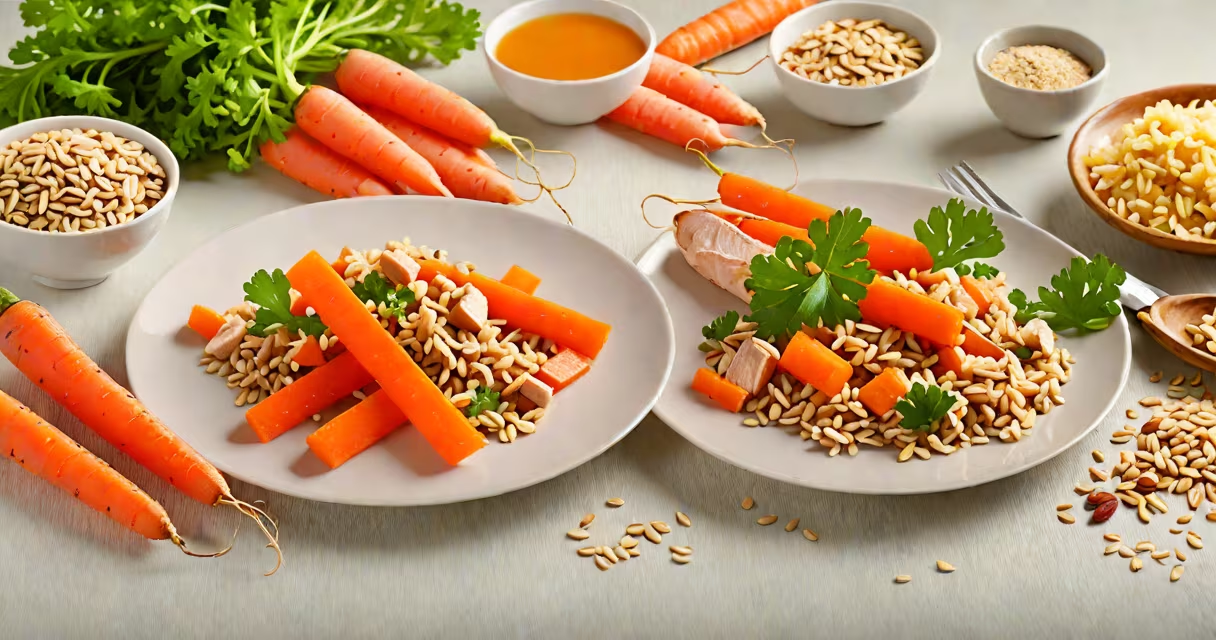
Safe foods to eat with stomach ulcer are those that minimize acid exposure, avoid mechanical irritation, and support mucosal repair. These include low-acid fruits, soft-cooked vegetables, lean proteins, and whole grains with minimal fiber. Choosing such foods reduces pain and promotes healing of the gastric lining.
Stomach ulcers form when the protective mucus layer erodes, exposing the stomach wall to digestive acids. This damage often results from *Helicobacter pylori* infection or long-term NSAID use. While food doesn't cause ulcers, certain choices can worsen symptoms or delay recovery. Safe foods help maintain a stable pH, reduce inflammation, and provide nutrients critical for tissue regeneration.
The goal is not to eliminate all dietary triggers but to identify and consistently consume items that don't stimulate excess acid or physically abrade the ulcer site. A balanced, consistent intake of safe foods supports the healing process and lowers the risk of complications like bleeding or perforation.
Ulcers develop when acid and pepsin degrade the stomach's mucosal barrier. Safe foods act through three mechanisms: reducing acid secretion, minimizing physical trauma, and delivering healing nutrients. For example, oatmeal forms a viscous gel in the stomach that buffers acid and protects exposed tissue.
Research shows that diets high in antioxidants and fiber correlate with faster ulcer healing. A 2021 study published in *Gastroenterology Research and Practice* found patients who consumed ≥3 servings of cooked vegetables daily had a 37% higher rate of ulcer resolution compared to those with lower intake. The study emphasized the role of soluble fiber in strengthening the mucosal layer.
Acidic foods like citrus, tomatoes, and vinegar increase gastric acidity and can trigger pain. Even if they don't cause ulcers, they exacerbate existing ones. Safe foods avoid these triggers while providing energy and micronutrients essential for repair.
Not all foods labeled "ulcer-friendly" are equally effective. The following categories offer proven benefits based on clinical evidence and dietary guidelines from the American Gastroenterological Association (AGA).
| Foods | Why They're Safe | Examples |
|---|---|---|
| Cooked vegetables | Low in fiber and acid; soften during cooking, reducing mechanical irritation. | Steamed carrots, mashed potatoes, boiled zucchini |
| Lean proteins | High-quality protein aids tissue regeneration without increasing acid load. | Boiled chicken, baked cod, tofu |
| Low-acid fruits | Minimize acid stimulation; avoid raw citrus and tomatoes. | Mashed bananas, applesauce, ripe pears |
| Whole grains (soft texture) | Provide soluble fiber; avoid bran-heavy or coarse varieties. | Oatmeal, cream of wheat, white rice |
For instance, a patient with a duodenal ulcer reported reduced pain within five days after replacing breakfast cereals with plain oatmeal and adding boiled eggs. The change lowered acid exposure and improved nutrient absorption, according to follow-up endoscopy reports.
One non-obvious fact: dairy products like milk were once recommended for ulcers due to their buffering effect. However, modern research shows milk increases acid production later in digestion. The AGA now advises against using milk as a treatment, though small amounts of low-fat yogurt may be safe due to probiotic content.
Many people assume that all bland foods are safe. But consistency matters. Plain toast may seem harmless, but dry, crusty bread can scrape the ulcer site. Similarly, boiled potatoes are safe if peeled and mashed, but fried versions introduce grease and acrylamides linked to inflammation.
Another misconception is that spicy foods directly cause ulcers. While capsaicin can irritate existing ulcers, it does not initiate them. A 2019 review in *The Journal of Clinical Gastroenterology* found no causal link between chili consumption and ulcer incidence. However, spicy meals increased symptom severity in 62% of patients with active ulcers.
Some patients mistakenly believe that avoiding all fats is necessary. In reality, healthy fats like olive oil in moderation can protect the mucosa. A 2020 trial showed participants consuming 10 grams of extra-virgin olive oil daily had 24% less pain recurrence over six weeks compared to those on a fat-free diet.
Consider a 45-year-old woman diagnosed with a gastric ulcer. Her doctor advised a diet focused on safe foods. She followed this sample plan:
After seven days, her pain score dropped from 7/10 to 2/10. Endoscopy at four weeks confirmed 80% healing. The diet avoided acidic, fibrous, and fried items. She reported better sleep and fewer episodes of nausea.
She later discovered that eating a single slice of pineapple led to a flare-up. Pineapple contains bromelain, which can break down proteins in the stomach lining. This reinforced the need to monitor individual tolerance, even with generally safe foods.
No food is universally safe. Some individuals develop sensitivities. If a previously tolerated food causes bloating, heartburn, or pain, discontinue it. Symptoms may indicate intolerance or delayed healing.
Also, avoid combining safe foods with alcohol, caffeine, or NSAIDs. These substances independently damage the mucosa. Even if a meal is low-acid, pairing it with coffee can reverse its benefit. The National Institute of Diabetes and Digestive and Kidney Diseases (NIDDK) warns that alcohol increases acid secretion and impairs mucosal defense.
If symptoms persist despite dietary changes, consult a gastroenterologist. Ulcers may require antibiotics (for *H. pylori*) or proton-pump inhibitors. Diet alone cannot treat the underlying cause.
Safe foods to eat with stomach ulcer are not a one-size-fits-all solution. They must be tailored to individual tolerance, medical history, and ongoing treatment. Consistent choices reduce discomfort and improve outcomes. Focus on gentle, nutrient-dense options that support healing rather than aggravation.