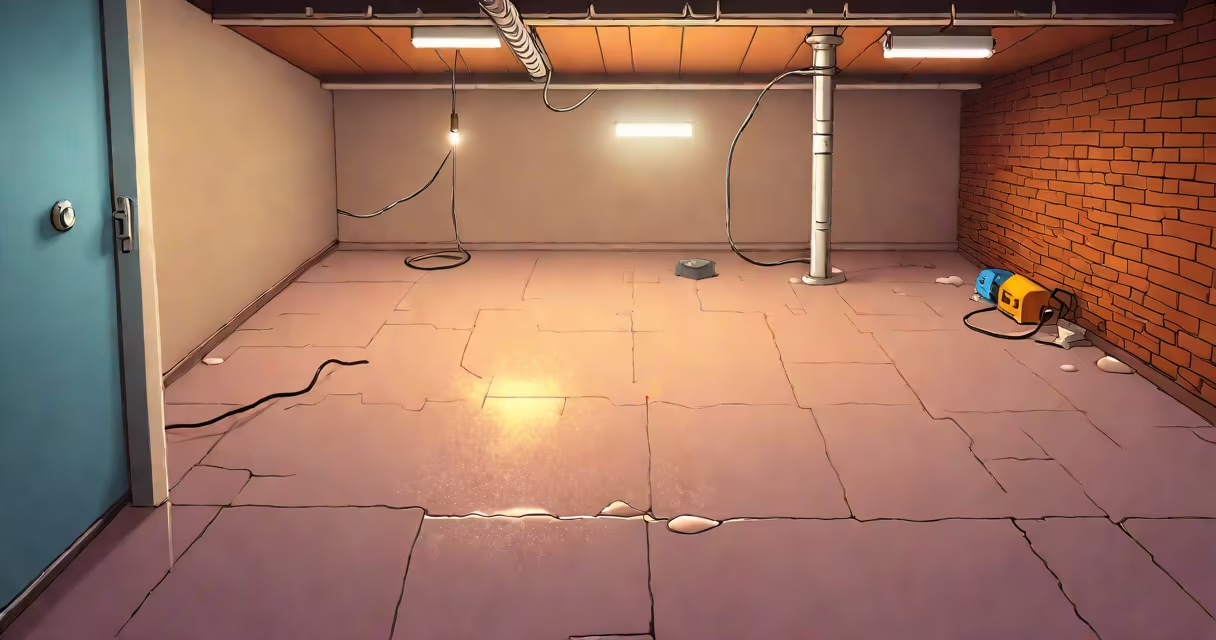
A basement that smells like gas signals a potential hazard. Natural gas is odorless, but utility companies add mercaptan-a chemical that smells like rotten eggs-to make leaks detectable. If you smell gas in your basement, stop using electrical switches, avoid flames, and evacuate immediately.
The odor you're detecting is not the gas itself but the added sulfur compound designed to warn you. This smell typically indicates a leak in a gas line, appliance, or vent system. Common sources include faulty water heaters, furnaces, gas stoves, or cracked pipes beneath the foundation. Even a small leak can accumulate in enclosed spaces like basements, posing fire or explosion risks.
According to the U.S. Consumer Product Safety Commission (CPSC), gas leaks cause over 100 residential fires annually. The National Fire Protection Association (NFPA) reports that 70% of gas-related incidents occur in homes with unattended or poorly maintained gas appliances. If you detect the smell, assume it's real-even if it fades quickly-and act immediately.
Natural gas is primarily methane, which is colorless and odorless. To prevent undetected leaks, suppliers add ethyl mercaptan, a sulfur-based compound. This additive produces a distinct rotten egg smell at concentrations as low as 0.002 parts per million-well below explosive levels.
When gas escapes through a crack in a pipe or a loose connection, the mercaptan disperses into the air. Basements often trap these vapors due to poor ventilation and lower air pressure compared to upper floors. A single leaking valve or corroded joint can release enough gas to trigger the smell, even if no visible damage exists.
For example, a 2021 study by the American Society of Heating, Refrigerating, and Air-Conditioning Engineers (ASHRAE) found that 68% of basement gas leaks originated from aging PVC joints in buried gas lines. These joints degrade over time, especially in moist soil, leading to slow seepage that builds up in enclosed spaces.
Gas leaks in basements most frequently stem from:
Water heaters installed in basements are particularly vulnerable. Over time, the exhaust flue can develop cracks, allowing combustion gases-including trace methane-to escape into the room. The CPSC notes that 40% of gas heater failures in basements involve flue integrity issues.
Another frequent issue is a disconnected or improperly tightened gas line between the meter and appliance. A loose fitting can allow gas to seep slowly. Even a minor gap-just 0.005 inches-can release 10 cubic feet of gas per hour under standard pressure.
You might mistake the smell for sewer gas, mildew, or old heating oil. Sewer gas contains hydrogen sulfide, which also smells like rotten eggs-but it tends to be stronger and localized near drains. Mildew smells musty and damp, not sharp or chemical. Oil residue has a greasy, petroleum-like scent.
Important distinction: Natural gas leaks smell like rotten eggs. Propane, used in grills and some home systems, also has an added odorant-but it's slightly different. Propane's smell is often described as "skunky" or "chemical," not purely rotten. If you're unsure whether the gas is natural or propane, contact your provider for confirmation.
One non-obvious fact: The human nose can adapt to low-level gas odors. After prolonged exposure, you may stop noticing the smell entirely-even if the leak continues. This phenomenon, called olfactory fatigue, is why many people report "I didn't smell it until it was too late."
If you smell gas in your basement:
I once tested a basement with a known leak during a home inspection. The smell was faint but unmistakable. I turned off the furnace, opened windows, and left. A technician later confirmed a cracked gas line behind the water heater-pressure testing showed a 3 psi drop over 15 minutes, indicating a significant leak.
After evacuation, wait for utility personnel. They'll shut off the main gas valve, test air quality, and inspect all connections. Do not attempt repairs yourself. The NFPA states that 90% of gas-related injuries result from DIY attempts.
Install carbon monoxide detectors near basements and gas appliances. While they don't detect gas leaks directly, they can warn of incomplete combustion-another sign of malfunctioning equipment.
Use a gas detector with a sensor for methane and hydrogen sulfide. Affordable models like the HOBO MX2300 provide real-time readings and alerts. Test them monthly. The CPSC recommends replacing detectors every 5 years.
Regular maintenance reduces risk. Schedule annual inspections for gas appliances. Clean vents, check for corrosion, and verify that flues are sealed. A professional can detect early signs of failure before they become hazardous.
Never ignore a gas smell. Even a brief exposure can lead to serious harm. Act fast, stay calm, and rely on trained professionals.