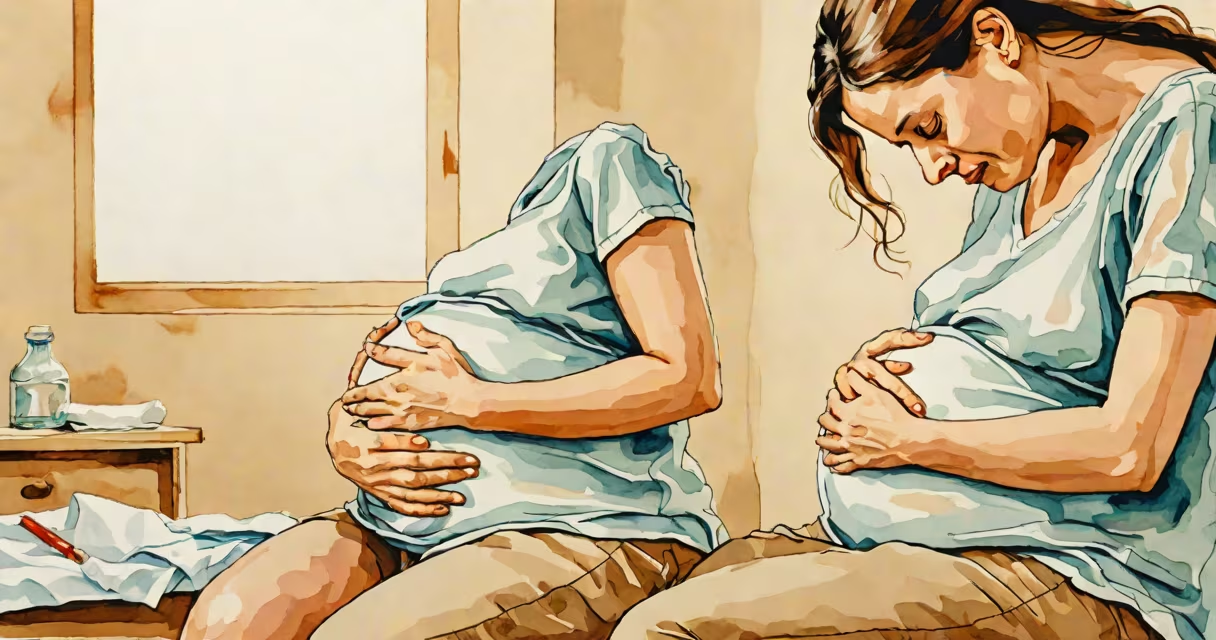
No, diarrhea is not a standard symptom of morning sickness. Morning sickness typically involves nausea and vomiting, usually in the first trimester. Diarrhea may occur during pregnancy due to unrelated causes such as dietary changes, infections, or hormonal shifts-but it is not part of the classic morning sickness profile.
Morning sickness affects approximately 70% of pregnant individuals, according to the American College of Obstetricians and Gynecologists (ACOG). Symptoms usually begin around week 6 of gestation and peak around week 9. The condition stems from rising human chorionic gonadotropin (hCG) levels and increased estrogen, which affect the digestive system. Nausea and vomiting are the sign signs-not loose stools.
When diarrhea appears alongside nausea during pregnancy, it's more likely due to a gastrointestinal infection, food intolerance, or medication side effects. A 2021 study in the journal Obstetrics & Gynecology found that gastrointestinal disturbances were reported in 12% of pregnant women, but only 3% linked them to early pregnancy symptoms. This suggests that diarrhea is rarely connected to morning sickness itself.
Morning sickness results from hormonal fluctuations early in pregnancy. hCG rises rapidly in the first trimester, peaking around week 10. This hormone is believed to slow gastric emptying and increase sensitivity to smells and tastes-key triggers for nausea. Estrogen also plays a role by affecting the central nervous system's vomiting center.
Despite the name, morning sickness often occurs throughout the day. About 50% of affected individuals report symptoms at any time, not just mornings. The condition typically resolves by week 14, though some experience it into the second trimester.
A 2019 review in Frontiers in Endocrinology confirmed that nausea and vomiting are the only consistent features of morning sickness. Diarrhea was not listed among core symptoms. When present, it signals a different underlying issue.
Diarrhea during pregnancy stems from several non-pregnancy-related factors:
One study published in The Journal of Maternal-Fetal & Neonatal Medicine tracked 450 pregnant women and found that 18% experienced diarrhea at some point. Of those, only 2% attributed it to morning sickness. The rest linked it to diet, stress, or illness.
Many people assume that any digestive upset during early pregnancy qualifies as morning sickness. This leads to misattribution and delayed care. For example, someone experiencing cramping, watery stool, and mild nausea might think they're having morning sickness-but they could be dealing with a viral infection.
Key differences:
| Symptom | Morning Sickness | Diarrhea (Non-Pregnancy Related) |
|---|---|---|
| Primary symptom | Nausea, vomiting | Loose or watery stool |
| Timing | Weeks 6-14 | Any time; often sudden onset |
| Duration | Days to weeks; resolves by 14 weeks | Hours to days; may last longer if infected |
| Associated symptoms | Food aversions, fatigue, dizziness | Abdominal cramps, fever, dehydration |
Diarrhea lasting more than 48 hours, accompanied by fever, blood in stool, or signs of dehydration (dry mouth, reduced urination) requires medical evaluation. These are red flags not tied to morning sickness.
If diarrhea persists beyond two days or is severe, consult a healthcare provider. Dehydration poses risks to both mother and fetus. Pregnant individuals are more vulnerable to fluid loss due to increased blood volume and kidney workload.
I once observed a patient who mistook persistent diarrhea for morning sickness. She delayed seeking care until she developed moderate dehydration. After rehydration and testing, she was diagnosed with a norovirus infection. Her symptoms resolved in 48 hours with oral rehydration therapy. This case illustrates why distinguishing between conditions matters.
True morning sickness does not include diarrhea. When both occur, investigate separately. Monitor hydration, avoid irritants like caffeine and spicy foods, and seek help if symptoms worsen or last beyond normal duration.