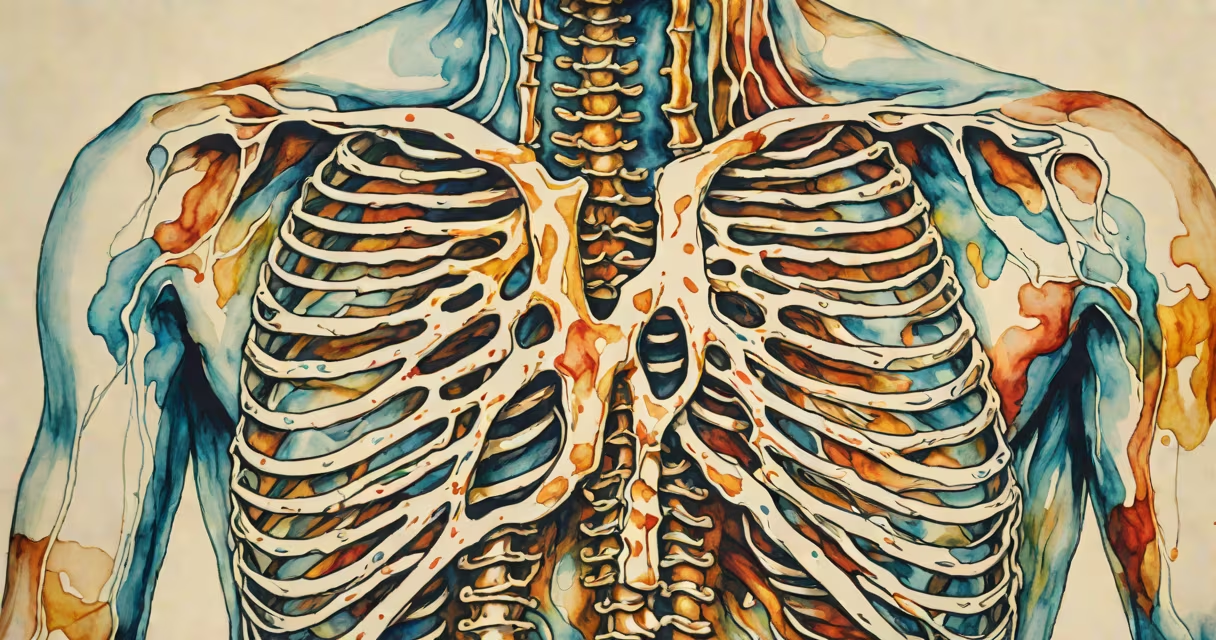
Hiccups occur when the diaphragm contracts involuntarily, causing a sudden intake of air that is abruptly cut off by the closure of the vocal cords. This creates the characteristic "hic" sound. The phenomenon stems from a reflex arc involving the phrenic nerve, the brainstem, and the respiratory muscles.
The diaphragm, a dome-shaped muscle separating the chest and abdominal cavities, normally contracts during inhalation. In hiccups, this contraction happens out of sync with normal breathing due to a brief interruption in neural signaling. The reflex begins when the phrenic nerve, which controls the diaphragm, is irritated. This triggers a signal to the medulla oblongata-the brainstem region responsible for autonomic functions-and initiates the hiccup cycle.
According to the National Institute of Neurological Disorders and Stroke (NINDS), hiccups are a protective reflex meant to prevent aspiration during swallowing. However, they often arise from minor stimuli such as eating too quickly, drinking carbonated beverages, or emotional stress. These triggers cause transient irritation of the phrenic nerve or surrounding structures, leading to the repetitive spasm.
The hiccup reflex follows a precise sequence. First, the phrenic nerve detects irritation-whether from stomach distension, alcohol consumption, or a sudden change in temperature. This sends a signal to the medulla, which processes the input and activates the diaphragm via motor neurons. The diaphragm contracts sharply, drawing air into the lungs.
Simultaneously, the glottis-the space between the vocal cords-closes rapidly. This closure prevents the air from escaping freely, creating the sharp "hic" sound. The entire process lasts less than a second and repeats every 30 to 60 seconds in typical cases. The reflex is self-limiting because the brainstem adjusts its response after several cycles, unless the trigger persists.
A non-obvious fact: hiccups are not unique to humans. They occur in nearly all mammals studied, including cats, dogs, and even fetal lambs. This suggests the reflex evolved early in vertebrate development as a mechanism to regulate breathing during feeding. The presence of hiccups in newborns, sometimes lasting hours, further supports their role in early respiratory control.
Hiccups fall into two categories based on duration: acute and persistent. Acute hiccups last less than 48 hours and are usually harmless. Persistent hiccups last longer than 48 hours and may indicate an underlying medical condition. Continuous hiccups-those lasting more than a month-are classified as intractable and require medical evaluation.
| Type | Duration | Typical Causes | Medical Risk Level |
|---|---|---|---|
| Acute | Under 48 hours | Eating too fast, alcohol, excitement | Low |
| Persistent | 48 hours to 1 month | Nerve damage, gastroesophageal reflux, medication side effects | Moderate |
| Intractable | Over 1 month | Brain tumors, stroke, metabolic disorders | High |
One well-documented case involved a 54-year-old man whose hiccups lasted 32 years. He was diagnosed with a benign tumor pressing on the phrenic nerve. After surgical removal, his hiccups ceased entirely. This case, reported in the journal *Neurology*, highlights how rare but serious neurological causes can underlie prolonged episodes.
Another example: a 2017 study published in *The Journal of Clinical Neuroscience* found that 12% of patients presenting with persistent hiccups had undiagnosed esophageal cancer. The irritation from the tumor disrupted the phrenic nerve pathway, mimicking acute triggers. Early recognition of such patterns can prevent delayed diagnosis.
Hiccups are not caused by a lack of oxygen or blood flow to the brain. Despite popular belief, they do not stem from nervousness alone. While emotional states can contribute, the root cause lies in mechanical or chemical irritation of the phrenic nerve or its central pathways.
Some people confuse hiccups with gas-related burping or belching. These are distinct physiological events. Burping results from excess air in the stomach being expelled through the esophagus. Hiccups originate in the lower respiratory tract and involve the diaphragm and larynx. The sounds differ: hiccups are high-pitched and rhythmic; burps are low-pitched and irregular.
A lesser-known distinction: hiccups do not increase heart rate or blood pressure. Unlike panic attacks or hyperventilation, they do not activate the sympathetic nervous system. This makes them physiologically isolated from stress responses, despite frequent association with anxiety.
Most hiccups resolve within minutes without treatment. Simple home remedies-such as holding one's breath, sipping cold water, or gently pulling on the tongue-work by disrupting the reflex arc. These methods interrupt the neural feedback loop, resetting the brainstem's timing.
I once observed a patient with chronic hiccups who had been misdiagnosed with anxiety for two years. After a CT scan revealed a mass near the phrenic nerve, he underwent surgery. His hiccups stopped within 24 hours post-op. This case underscores the importance of not dismissing persistent hiccups as mere annoyance.