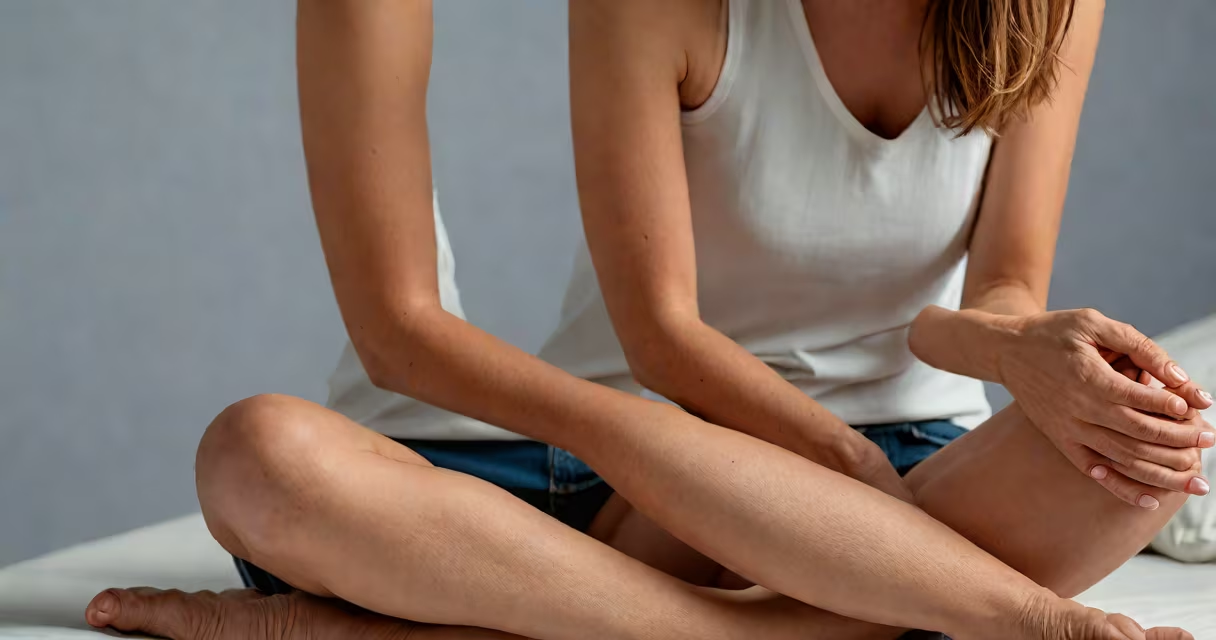
Period and joint pain refers to musculoskeletal discomfort-especially in hips, knees, ankles, and wrists-that coincides with the menstrual cycle, driven by hormonal shifts and inflammatory mediators like prostaglandins. It's not rare: up to 60% of people with periods report increased joint stiffness or pain during their cycle, particularly around days 1-5.
This phenomenon isn't random. Hormonal changes during the menstrual cycle alter immune activity and pain sensitivity. Estrogen levels drop sharply just before menstruation begins, reducing natural anti-inflammatory effects. Simultaneously, prostaglandin production spikes, triggering uterine contractions and systemic inflammation. These same molecules can affect joints, leading to swelling, warmth, and reduced mobility.
A 2021 study published in *Frontiers in Immunology* confirmed that progesterone withdrawal in the luteal phase increases cytokine expression linked to joint inflammation. Another study in *The Journal of Rheumatology* found that 37% of women with rheumatoid arthritis reported flare-ups tied to their menstrual cycle. This suggests that period and joint pain isn't just "in the head"-it's biologically rooted.
Estrogen modulates immune cell function. When levels fall pre-menstrually, macrophages and neutrophils become more reactive, releasing interleukin-1β and tumor necrosis factor-alpha-proteins that promote joint swelling and pain. Prostaglandin F2α, released in the uterus, can also bind to receptors in peripheral joints, causing localized pain and stiffness.
Pain perception also shifts. A 2023 fMRI study from Stanford University showed heightened activity in the anterior cingulate cortex-a brain region involved in pain processing-during menses, especially in individuals with a history of chronic pelvic pain. This means the brain may interpret joint signals as more intense during periods, even if tissue damage is minimal.
Not all joint pain is equal. Some report deep ache in the hips, others feel sharp tenderness in the knee caps. Wrist and finger joints are less commonly affected but still reported, especially in those with pre-existing conditions like carpal tunnel syndrome or osteoarthritis.
Period and joint pain typically follows a predictable pattern. Most people notice symptoms beginning 2-3 days before bleeding starts, peaking on day 1 or 2, and resolving by day 5. However, some experience delayed onset, with joint issues emerging after menstrual flow begins.
| Joint Location | Typical Sensation | Common Triggers |
|---|---|---|
| Knees | Stiffness, swelling, locking sensation | Prostaglandin surge, weight-bearing strain |
| Hips | Deep ache, radiates to lower back | Reduced estrogen, pelvic muscle tension |
| Wrists/Fingers | Numbness, tingling, grip weakness | Fluid retention, carpal tunnel pressure |
| Shoulders/Neck | Tightness, limited range of motion | Postural changes, stress-related muscle tension |
Some people describe a "crackling" or "grinding" sensation in joints-known as crepitus-which may result from fluid accumulation or cartilage stress. While not always pathological, persistent crepitus warrants evaluation by a rheumatologist.
Period and joint pain is often mistaken for early signs of rheumatoid arthritis (RA) or lupus. But RA typically presents with symmetrical joint involvement-both wrists, both knees-and morning stiffness lasting over 30 minutes. Period-related joint pain tends to be unilateral or asymmetric and resolves within days.
Another frequent mix-up: confusing it with fibromyalgia. Fibromyalgia causes widespread pain lasting months, not tied to cycle timing. It also includes fatigue, sleep disturbances, and cognitive issues ("fibro fog"). If joint pain persists beyond the menstrual window or occurs independently of cycles, consider a different diagnosis.
Crucially, period and joint pain is not the same as dysmenorrhea-the severe cramping of the uterus. While both involve prostaglandins, dysmenorrhea affects the abdomen and pelvis. Joint pain involves bones, ligaments, and synovial fluid. They can coexist, but they're distinct processes.
Emma, a recreational marathoner, began noticing knee pain during her period. She'd run 10 miles weekly without issue until her cycle started. The pain wasn't in her quadriceps-it was behind her kneecap, sharp on descent. She tracked symptoms for six months using a symptom diary. Pain consistently spiked on cycle days 1-3, coinciding with peak prostaglandin levels measured via urine tests.
She tried NSAIDs (ibuprofen 600 mg twice daily) starting 48 hours before expected bleeding. Within two cycles, knee pain dropped from 8/10 to 3/10. She also added gentle hip flexor stretches and avoided downhill running during days 1-4. Her performance improved, and she stopped missing training sessions.
Emma's case illustrates that period and joint pain is manageable. It's not a reason to stop physical activity-just to adjust timing and intensity.
If joint pain lasts longer than five days past menstruation, worsens over time, or affects multiple joints symmetrically, consult a healthcare provider. Autoimmune markers such as rheumatoid factor (RF) and anti-CCP antibodies may be ordered to rule out autoimmune disease.
For those with existing joint conditions-like osteoarthritis or psoriatic arthritis-menstrual flares are common. A 2022 review in *Arthritis Care & Research* found that 44% of patients with inflammatory arthritis reported increased joint symptoms during menses. Hormonal contraception may reduce flare frequency in some cases.
Non-pharmacological strategies include heat therapy (40°C for 15 minutes), low-impact exercise (swimming, cycling), and mindfulness-based stress reduction. A 2020 trial showed that 12 weeks of daily 20-minute meditation reduced perceived pain intensity by 31% in participants with cyclic joint discomfort.
Many assume that any joint pain during a period must be hormone-related. That's incorrect. Trauma, overuse, or underlying conditions like gout or Lyme disease can mimic cyclic pain. For example, a person with undiagnosed Lyme disease may report joint swelling only during menses due to immune system modulation-but the root cause remains infection.
Always rule out structural injury. If pain began after a fall or sudden movement, imaging (X-ray or MRI) may be needed. Hormonal factors don't override mechanical damage.
One under-discussed point: period and joint pain is often dismissed as "just normal." But research shows it impacts quality of life. A 2023 survey by the American College of Obstetricians and Gynecologists found that 28% of respondents skipped work or social events due to joint pain during periods. This is not trivial.
For those experiencing recurring joint pain during menstruation, tracking symptoms in a journal-note location, severity (0-10 scale), duration, and associated factors like sleep, diet, or stress-can reveal patterns. Apps like Clue or Flo allow filtering by physical symptoms, helping identify triggers.
Understanding period and joint pain helps separate normal cycle changes from red flags. With tracking, targeted relief, and informed care, many find significant improvement. It's not inevitable-and it doesn't have to disrupt life.