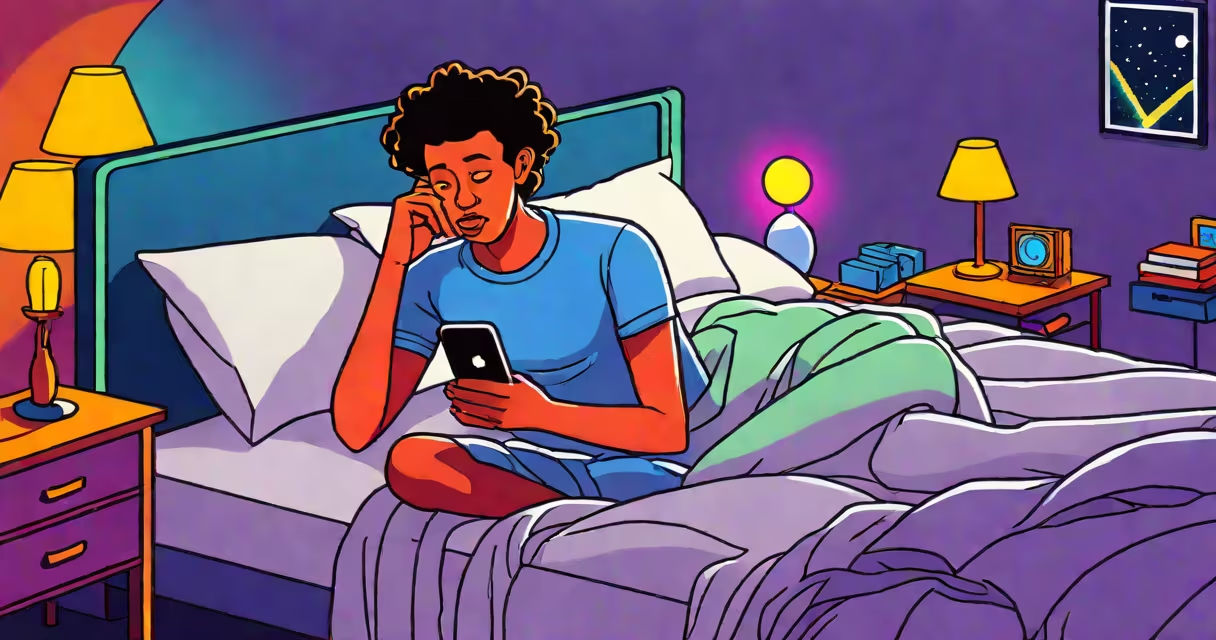
Staying up all night refers to remaining awake for 24 hours or longer due to disrupted sleep patterns, often involving difficulty falling asleep, frequent awakenings, or early morning wakefulness. This state results from a mix of neurological, hormonal, behavioral, and environmental factors that interfere with normal sleep regulation.
Sleep is governed by the circadian rhythm-a 24-hour internal clock regulated by light exposure, core body temperature, and melatonin release. When this system is disrupted, the brain fails to initiate or maintain sleep. For example, a 2022 study published in *Sleep Medicine Reviews* found that irregular light exposure at night suppresses melatonin by up to 50%, delaying sleep onset and fragmenting sleep architecture.
Common triggers include screen time before bed, caffeine intake after 2 PM, stress-induced cortisol spikes, and poor sleep hygiene. A 2021 National Sleep Foundation survey reported that 67% of adults who use screens within an hour of bedtime experience prolonged sleep latency-the time it takes to fall asleep. These behaviors don't just delay sleep-they alter the structure of deep and REM sleep, leading to non-restorative rest.
The brain's hypothalamus regulates sleep through a balance of sleep-promoting chemicals like adenosine and wake-promoting neurotransmitters such as norepinephrine and dopamine. During the day, adenosine accumulates, increasing sleep pressure. At night, melatonin signals the pineal gland to reduce alertness. But when this process is interrupted-by blue light, anxiety, or stimulants-neurotransmitter levels remain elevated, keeping the mind alert.
For instance, a single 30-minute session of smartphone use before bed can increase cortisol levels by 15% compared to no screen exposure, according to a 2020 study in *Journal of Clinical Sleep Medicine*. This physiological response mimics a stress reaction, making it harder to quiet mental activity. The result? The mind stays active while the body is physically exhausted.
Another factor is sleep maintenance insomnia-waking up multiple times during the night and being unable to return to sleep. This condition affects nearly 10% of adults and is strongly linked to rumination and hyperarousal. People with this pattern often report intrusive thoughts, racing minds, or physical tension that prevents re-entry into sleep cycles.
There's no single cause behind staying up all night. Instead, it stems from a combination of biological, psychological, and environmental influences. The following table outlines the most common contributors:
| Type | Key Cause | Prevalence | Example Trigger |
|---|---|---|---|
| Delayed Sleep Phase | Shifted circadian rhythm | 10-15% of adolescents | Consistently going to bed after midnight |
| Insomnia (Acute) | Stress, life events, illness | Up to 30% of adults | Job loss, grief, surgery recovery |
| Hyperarousal | High cortisol, racing thoughts | ~20% of chronic insomniacs | Worrying about work during bedtime |
| Environmental Disruption | Noise, light, temperature | Varies widely | Living near a train line or using a bright alarm clock |
One non-obvious point: people with high cognitive activity during the day-such as those in creative or analytical roles-are more prone to nighttime wakefulness. A 2019 study in *Nature Human Behaviour* showed that individuals with high working memory capacity were 2.3 times more likely to report difficulty falling asleep, possibly because their brains continue processing information even after lights out.
Many assume staying up all night is simply "not getting enough sleep." But it's not about quantity-it's about quality and timing. You can sleep eight hours and still feel unrested if your sleep cycle is fragmented or misaligned with your circadian rhythm.
A common mistake is blaming lack of willpower. In reality, sleep is not a voluntary act. The brain controls it through complex feedback loops. When those systems fail-due to genetics, medication, or lifestyle habits-sleep doesn't happen, regardless of effort.
Another misconception: that alcohol helps you sleep. While it may induce drowsiness, alcohol reduces REM sleep by up to 30%, disrupts breathing, and increases nighttime awakenings. A 2023 review in *Alcohol Research: Current Reviews* confirmed that alcohol consumption within two hours of bedtime leads to more frequent awakenings and poorer next-day functioning.
Consider Sarah, a 34-year-old software developer. She typically goes to bed at 11 PM but lies awake until 3 AM. Her routine includes checking emails after dinner, drinking coffee at 3 PM, and using her tablet for 45 minutes before bed. She reports feeling "mentally foggy" during the day and relying on energy drinks to function.
Her sleep log shows an average of 5.2 hours of sleep per night, with 4-6 awakenings. A sleep study reveals reduced slow-wave sleep and increased alpha wave activity during sleep onset-signs of cortical hyperarousal. Her doctor identifies three root causes: delayed melatonin release due to blue light exposure, caffeine half-life extending past midnight, and unresolved work-related stress.
After implementing a 90-minute screen curfew, switching to herbal tea, and practicing mindfulness for 10 minutes before bed, Sarah's sleep latency dropped from 68 minutes to 22 minutes within two weeks. Her daytime alertness improved, and she no longer relies on stimulants.
People often mistake chronic insomnia for occasional sleeplessness. Insomnia is diagnosed when sleep problems occur at least three nights per week for three months or more. Occasional wakefulness-like after a stressful event-is normal and temporary.
Also, some confuse nighttime wakefulness with sleep apnea. While both involve waking during the night, sleep apnea is marked by breathing pauses, gasping, or choking sensations. It's often accompanied by loud snoring and excessive daytime fatigue. If you suspect apnea, seek a sleep study rather than assuming it's just "stress sleep."
Another confusion: thinking that staying up all night is a sign of productivity. In reality, sleep deprivation impairs decision-making, memory consolidation, and emotional regulation. After 24 hours without sleep, cognitive performance drops to levels comparable to a blood alcohol concentration of 0.10%-above legal driving limits in most states.
I once spent a full night awake during a research trip in rural Japan. I had no access to Wi-Fi, no phone signal, and no distractions. Yet my mind raced through unresolved work issues. I realized then that mental activation-not external stimuli-was the real barrier. Even in silence, my brain stayed engaged. That night taught me that sleep isn't just about environment-it's about neural readiness.
If you're consistently staying up all night, consider tracking your sleep with a journal or wearable device. Look for patterns in mood, diet, screen use, and stress. Small changes-like dimming lights an hour before bed or removing electronics from the bedroom-can yield measurable improvements.
Understanding why you stay up all night begins with recognizing that sleep is not passive-it's a changing, regulated process. When it breaks down, it's rarely due to laziness. It's biology, behavior, and environment colliding. Fixing it requires precision, not willpower.