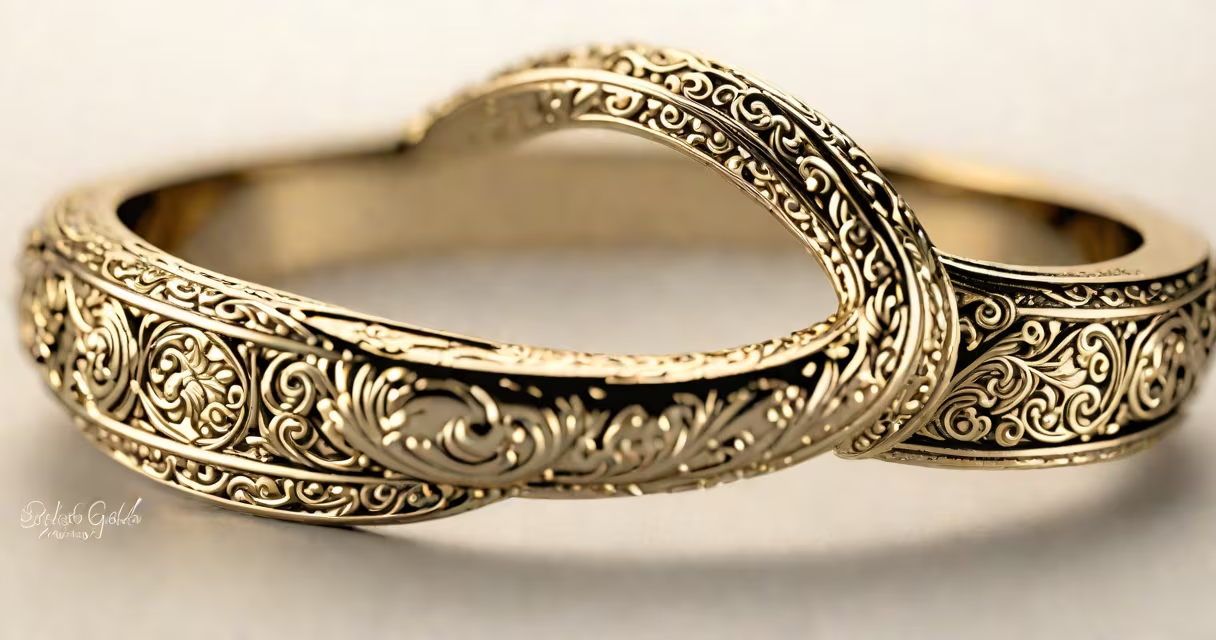
Solid gold refers to items made entirely of gold, with no base metal core or plating. It contains no alloy mixtures designed to reduce cost or increase durability. This term applies only to pieces where gold makes up 100% of the visible material by weight, though alloys may still be added for structural reasons.
Gold's natural softness limits its use in standalone form. Pure gold (24K) bends easily and wears quickly. Most solid gold items use lower karat weights-like 18K or 14K-to improve strength while maintaining high gold content. These are still considered solid gold because they're not layered or plated.
For example, a 14K solid gold band contains 58.3% pure gold by weight. The rest is alloyed metals such as silver, copper, or nickel. This balance improves resistance to scratches and dents, making it practical for everyday wear. The U.S. Federal Trade Commission defines solid gold as "gold that is not plated or filled," ensuring consumers receive accurate labeling.
Solid gold functions through a combination of intrinsic value and physical properties. Its atomic structure resists oxidation and tarnishing, which is why gold remains shiny for centuries. Unlike silver or copper, gold doesn't react with oxygen or moisture, preserving its appearance over time.
Manufacturers shape solid gold using techniques like casting, stamping, or hand-finishing. Each method affects thickness, weight, and durability. A 14K solid gold bracelet weighing 15 grams contains approximately 8.75 grams of pure gold. That amount determines market value based on current spot prices.
When buying solid gold, verify the sign-a stamped symbol indicating purity. Common marks include 10K, 14K, 18K, and 24K. These numbers represent parts per 24. For instance, 18K equals 18/24 = 75% pure gold. The absence of a sign raises red flags about authenticity.
Gold purity varies widely. Higher karat values indicate greater gold content but reduced hardness. Below is a comparison of common solid gold types:
| Karat | Pure Gold (%) | Common Uses | Strength & Durability |
|---|---|---|---|
| 24K | 99.9% | Investment bars, coins, ceremonial items | Very low - prone to bending |
| 22K | 91.7% | Indian wedding jewelry, temple ornaments | Low - suitable for occasional wear |
| 18K | 75.0% | High-end watches, engagement rings, fine jewelry | Moderate - good balance of beauty and wearability |
| 14K | 58.3% | Daily-wear rings, earrings, bracelets | High - ideal for long-term use |
| 10K | 41.7% | Cost-effective jewelry, fashion accessories | Very high - most durable option |
Not all gold labeled "solid" meets consumer expectations. Some sellers use misleading terms like "solid gold" to describe gold-plated or gold-filled items. True solid gold must have consistent composition throughout the piece-not just a surface layer.
A critical distinction: solid gold differs from gold-filled and gold-plated materials. Gold-filled items consist of a thick layer of gold bonded to a base metal core. They contain far less gold than solid gold and degrade faster. Gold-plated items have a thin electroplated layer that wears off within months.
Solid gold dominates markets for investment, heirloom jewelry, and luxury goods. Central banks hold gold reserves in 400-ounce bars-each containing 99.9% pure gold. These are traded globally and serve as benchmarks for currency valuation.
In jewelry, solid gold is preferred for engagement rings and family heirlooms. A 14K solid gold wedding band passed down through generations retains both emotional and financial value. According to the World Gold Council, 60% of global gold demand comes from jewelry, with solid gold accounting for nearly half of that volume.
One real-world example: a 14K solid gold pendant weighing 2.8 grams sold for $487 in 2023. At that time, the spot price of gold was $1,850 per troy ounce. Calculating the gold content: 2.8g × 58.3% = 1.63 grams of pure gold. At $1,850/oz, 1.63g converts to ~$97.40 in raw gold value. The remaining $390 reflects craftsmanship, design, and brand equity.
Many assume "solid gold" means 24K. This is incorrect. While 24K is pure gold, it's rarely used in wearable items due to fragility. Most solid gold products are 10K to 18K, offering better performance for daily use.
Another myth: all solid gold is equally valuable. In reality, value depends on weight, purity, and market conditions. A 10K solid gold chain may cost less than a 14K one-even if both weigh the same-because of lower gold content.
One non-obvious fact: gold's color changes with alloy composition. 18K yellow gold uses copper and silver for warmth. 18K rose gold includes more copper, giving it a pinkish hue. 18K white gold blends gold with palladium or nickel, creating a silvery finish. These variations don't affect whether the item is solid gold-they only alter appearance and cost.
I once examined a vintage 1940s 14K solid gold locket during a repair session. The interior had faded enamel, but the outer casing showed no wear. Despite being 80 years old, the gold content remained stable. The sign "14K" confirmed authenticity. This piece held sentimental value and retained 72% of its original market worth-proof that solid gold maintains integrity over decades.
Solid gold is often confused with gold-filled or gold-plated items. Gold-filled jewelry features a thick layer of gold (typically 5% by weight) fused to a base metal. It lasts longer than plating but still contains minimal gold. A 10K gold-filled necklace with a 1-inch chain weighs 4.5 grams-only 0.225 grams are actual gold. In contrast, a solid 10K gold chain of the same size would contain 1.89 grams of gold.
Finally, gold-filled items differ from solid gold. A 10kt gold-filled ring may look similar to a solid 10K ring, but its inner layer is brass or sterling silver. Over time, the gold layer wears away, exposing the base metal underneath. Solid gold avoids this risk entirely.
When evaluating any gold product, always check for hallmarks, ask for certification, and compare weight and purity. True solid gold delivers lasting value, enduring beauty, and measurable authenticity.