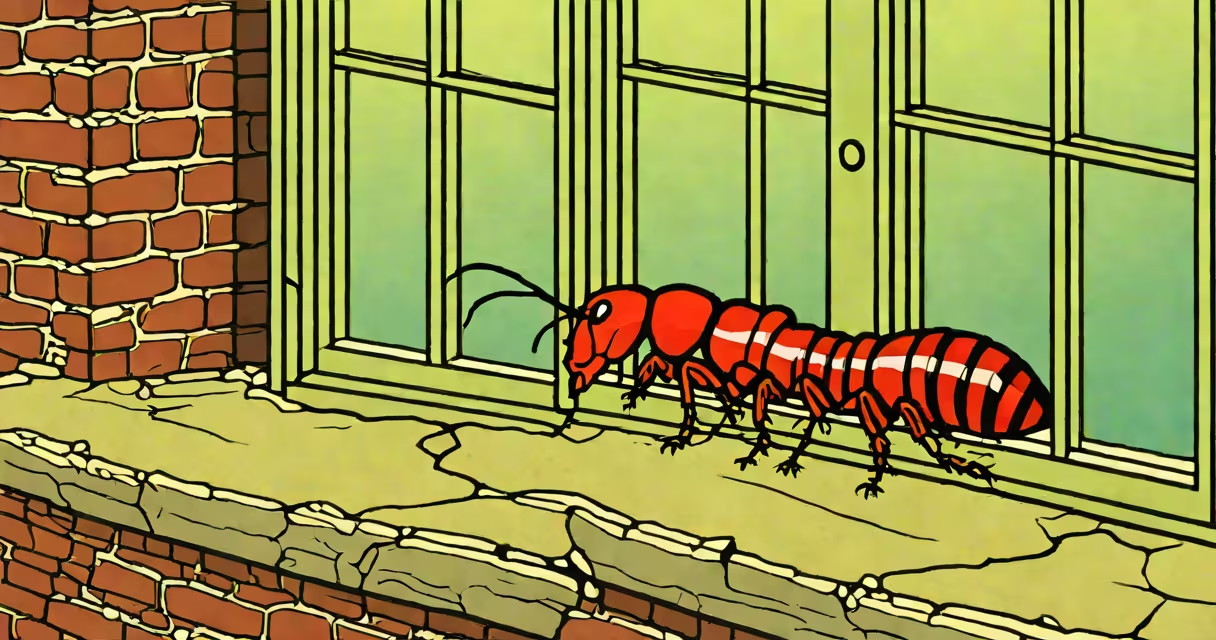
Earwigs enter homes primarily to escape dry outdoor conditions and seek moist, dark environments for shelter. They are nocturnal insects drawn to high humidity and organic debris, often moving indoors during seasonal shifts or heavy rains.
Earwigs are small, elongated insects with distinctive pincers at their rear ends. They measure between 5 to 15 millimeters long and have a flattened body that allows them to squeeze into tight spaces. While they may appear intimidating due to their forceps-like appendages, earwigs are not venomous and do not bite humans. Their presence indoors typically indicates environmental conditions favorable to their survival.
These insects thrive in humid microclimates. A study by the University of California Agriculture and Natural Resources notes that earwigs are most active in areas with soil moisture above 25%, particularly under mulch, leaf litter, or garden debris. When outdoor habitats dry out or become unstable, they migrate toward buildings with consistent moisture levels.
Earwigs gain access through gaps around doors, windows, foundations, and utility entry points. They are attracted to light sources near entryways, especially at night. Once inside, they move toward basements, bathrooms, laundry rooms, and kitchens-areas with higher humidity and potential food sources.
They do not feed on people or pets. Instead, they consume decaying plant matter, fungi, and occasionally live insects. In homes, they may scavenge crumbs, pet food remnants, or damp paper products. Their feeding habits rarely cause structural damage, but their presence can trigger discomfort or concern.
A 2020 report from the National Pest Management Association found that 68% of residential pest calls involving earwigs occurred during late summer and early fall-peak migration periods when outdoor temperatures rise and ground moisture drops. This seasonal pattern underscores their behavior as temporary invaders rather than permanent residents.
Many assume earwigs crawl into ears, but this is false. The name "earwig" comes from Old English "ēare-wicga," meaning "ear-worm," but it refers to the insect's shape-resembling a tiny worm with ear-like pincers-not to any tendency to enter human ears. No documented cases exist of earwigs invading human auditory canals.
Another myth is that earwigs cause significant property damage. They do not chew wood, destroy insulation, or infest stored food. Their impact is limited to minor nuisance status. However, their sudden appearance in large numbers can signal underlying moisture issues in walls, crawlspaces, or foundation cracks.
Some homeowners mistake earwigs for other pests like silverfish or centipedes. Unlike silverfish, which prefer dry, warm spaces like attics, earwigs avoid heat and seek cool, damp zones. Centipedes are faster and more aggressive, while earwigs move slowly and remain hidden during daylight hours.
Reducing indoor earwig activity begins with eliminating moisture sources. Fix leaky faucets, ensure gutters direct water away from foundations, and use dehumidifiers in basements. Seal gaps around pipes, door thresholds, and window frames using silicone caulk or weatherstripping.
Remove outdoor attractants such as dense mulch, rotting logs, and piles of leaves near the home's perimeter. Keep garden beds at least 18 inches from foundation walls. Install door sweeps and screen vents to block entry points.
If earwigs persist, use sticky traps placed along baseboards or behind appliances. These capture insects without chemicals. For larger infestations, apply diatomaceous earth in dry, shaded areas around the foundation. It dehydrates insects upon contact and remains effective for months.
I once discovered a cluster of 12 earwigs in a bathroom vent cover during a rainy week. The area had high humidity and a small gap beneath the door. After sealing the gap and installing a vent cover with fine mesh, the insects disappeared within three days. This confirmed that targeted exclusion works better than chemical sprays.
Earwig invasions fall into three categories based on frequency and scale:
| Type | Frequency | Risk Level | Typical Entry Points |
|---|---|---|---|
| Occasional Visitors | 1-2 times per season | Low | Cracks near doors, basement windows |
| Seasonal Migrants | Multiple sightings in late summer/fall | Medium | Foundation gaps, crawlspaces |
| Chronic Presence | Recurring throughout the year | High | Leaky plumbing, poorly ventilated basements |
Chronic infestations suggest persistent moisture problems. The U.S. Environmental Protection Agency warns that sustained indoor humidity above 60% increases the risk of pest colonization, including earwigs, mold, and silverfish.
Earwigs are not regulated pests. There is no legal requirement to treat them. However, if you see more than five individuals in a single room over two consecutive days, consider consulting a licensed pest control professional. They can assess structural vulnerabilities and recommend long-term solutions.
For recurring issues, especially in older homes with wooden foundations, professionals may conduct thermal imaging scans to detect hidden moisture pockets. These scans identify temperature differentials indicating water intrusion-common breeding grounds for earwigs and other moisture-loving insects.
Once the root cause is addressed, earwig activity typically declines within one to two weeks. Prevention is more effective than treatment. Maintaining dry, sealed environments reduces the likelihood of invasion far more reliably than spraying or trapping.
Understanding why earwigs come inside reveals that they are not malicious intruders but survivors adapting to changing conditions. Their movement indoors reflects environmental stress, not intent. By managing moisture and sealing entry points, homes can remain earwig-free without chemical intervention.