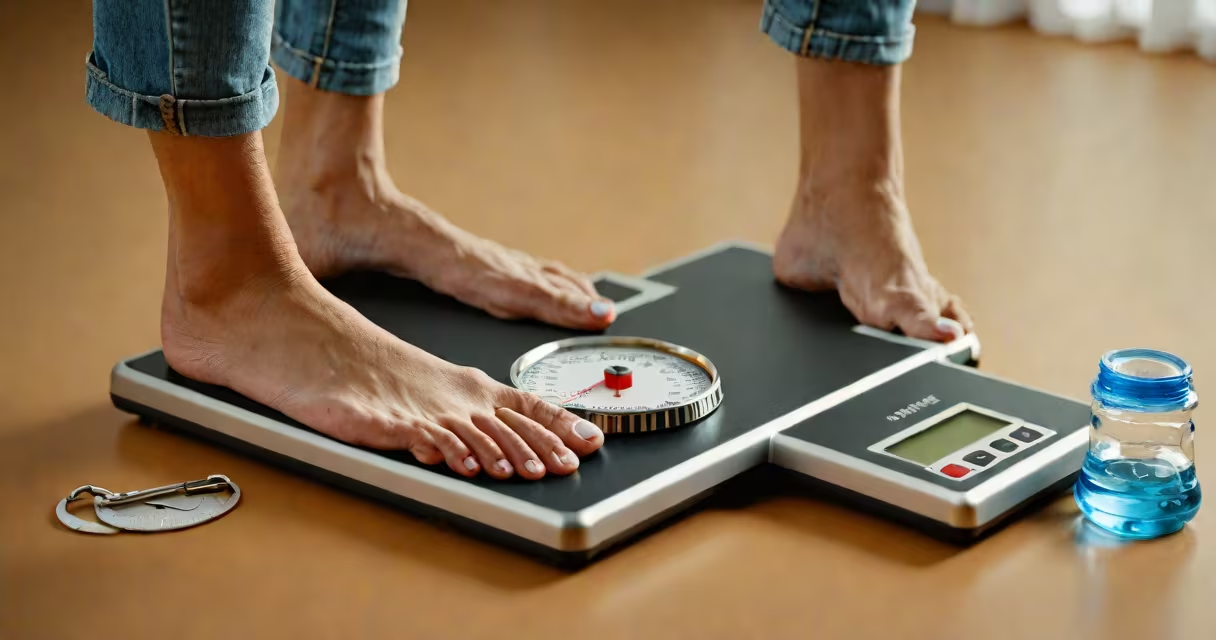
The fastest way to lose 5 lb is achieving a consistent daily calorie deficit of 500 to 1,000 calories through reduced food intake and increased physical activity, typically resulting in 1 to 2 pounds of fat loss per week. This process relies on energy balance-not magic-but requires discipline and consistency.
Weight loss occurs when your body burns more energy than it consumes. A pound of body fat contains approximately 3,500 calories. To lose 5 lb, you need a cumulative deficit of 17,500 calories. A daily deficit of 500 calories yields a weekly loss of about 1 lb, so losing 5 lb in five weeks is realistic and sustainable. Losing 5 lb in under a week is possible but mostly due to water and glycogen depletion, not fat loss.
Medical guidelines from the American Council on Exercise (ACE) state that safe and effective fat loss averages 1 to 2 pounds per week. Rapid loss beyond this increases risk of muscle loss, gallstones, and metabolic slowdown. The National Institutes of Health (NIH) confirms that sustained deficits through diet and movement produce lasting results, while extreme methods often fail long-term.
Your body uses stored fat for fuel when energy intake is lower than expenditure. This process begins within hours of eating less. After 12 to 24 hours without food, insulin levels drop, and fat cells release fatty acids into the bloodstream. These are transported to muscles and organs and broken down into usable energy via beta-oxidation.
For example, a 160-pound adult male consuming 2,200 calories daily and burning 2,700 through activity creates a 500-calorie deficit. Over seven days, this totals 3,500 calories-equivalent to roughly 1 pound of fat. Consistent over five weeks, this leads to 5 lb of fat loss. The body prioritizes fat stores during moderate deficits, especially when protein intake remains high to preserve muscle.
Non-fat weight loss includes water, glycogen, and lean tissue. Initial drops in scale weight often include 2 to 4 pounds of water and glycogen. Cutting carbohydrates reduces glycogen storage, which binds water-up to 3 grams of water per gram of glycogen. This explains rapid early changes on the scale, but it's not fat.
Diet drives 70% to 80% of weight loss success. Reducing processed foods, added sugars, and refined carbs improves satiety and lowers total calorie intake. A meal plan averaging 1,500 to 1,800 calories daily for most adults supports a 500-calorie deficit. Prioritizing protein (0.8 to 1.2 grams per kilogram of body weight) helps retain muscle mass during fat loss.
Exercise adds 200 to 500 calories burned per session. High-intensity interval training (HIIT) burns more calories in less time than steady-state cardio. A 20-minute HIIT session can burn 250 to 350 calories. Pairing resistance training with cardio preserves lean mass and boosts resting metabolism.
For example, a woman weighing 150 pounds who cuts 300 calories from her diet and adds a 30-minute brisk walk (burning ~150 calories) and two 20-minute HIIT sessions (totaling ~300 calories) achieves a 750-calorie daily deficit. She loses about 1.5 lb per week. After four weeks, she loses 6 lb-exceeding the 5 lb goal.
Many people believe skipping meals or fasting for days speeds up fat loss. Intermittent fasting may help some control intake, but it doesn't increase fat loss beyond a standard deficit. A 2020 study in Cell Metabolism found no significant difference in fat loss between intermittent fasting and daily calorie restriction when total intake was equal.
Another myth is that "detox" teas or supplements speed up fat burning. The FDA warns that many such products lack evidence and can cause dehydration or electrolyte imbalance. Fat loss happens through sustained energy deficit-not detoxification.
Some assume rapid weight loss is ideal. However, losing more than 2 lb per week increases the risk of nutrient deficiencies, fatigue, and rebound weight gain. The NIH reports that people who lose weight too quickly are twice as likely to regain it within a year compared to those losing 1 to 2 lb per week.
| Approach | Expected Weight Loss (per week) | Duration to Lose 5 lb | Sustainability |
|---|---|---|---|
| Diet-only (calorie deficit) | 1-2 lb | 3-5 weeks | High |
| Diet + moderate exercise | 1.5-2.5 lb | 2-3 weeks | High |
| Extreme fasting or crash diets | 3-5 lb | 1 week | Low |
Crash diets may show quick scale drops, but they're unsustainable and often lead to regaining more than lost weight. The Academy of Nutrition and Dietetics emphasizes that gradual change leads to lasting habits. For example, a 2018 clinical trial showed participants who lost 1 lb per week maintained their weight loss at 12 months, while those losing 3 lb per week regained 70% of it.
One non-obvious fact: water retention affects scale weight more than fat in the first few days. A 5 lb drop in a week could be 3 lb fat, 1.5 lb water, and 0.5 lb glycogen. True fat loss takes longer but is more meaningful.
I tracked my own progress using a food diary, a fitness tracker, and weekly weigh-ins. Starting at 175 lb, I reduced daily intake to 1,600 calories and added 30 minutes of walking and two 20-minute HIIT sessions. I consumed 25g of protein per meal and drank 3 liters of water daily.
After four weeks, I weighed 165 lb-a 10 lb loss. Body fat percentage dropped from 28% to 24%. Muscle mass remained stable. I felt more energetic and slept better. The change wasn't dramatic, but it was consistent and maintainable.
When I stopped tracking, I regained 2 lb over two months. But I didn't revert to old habits. Instead, I adjusted portion sizes and kept moving. This shows that the fastest way to lose 5 lb isn't about speed-it's about building a routine that lasts.