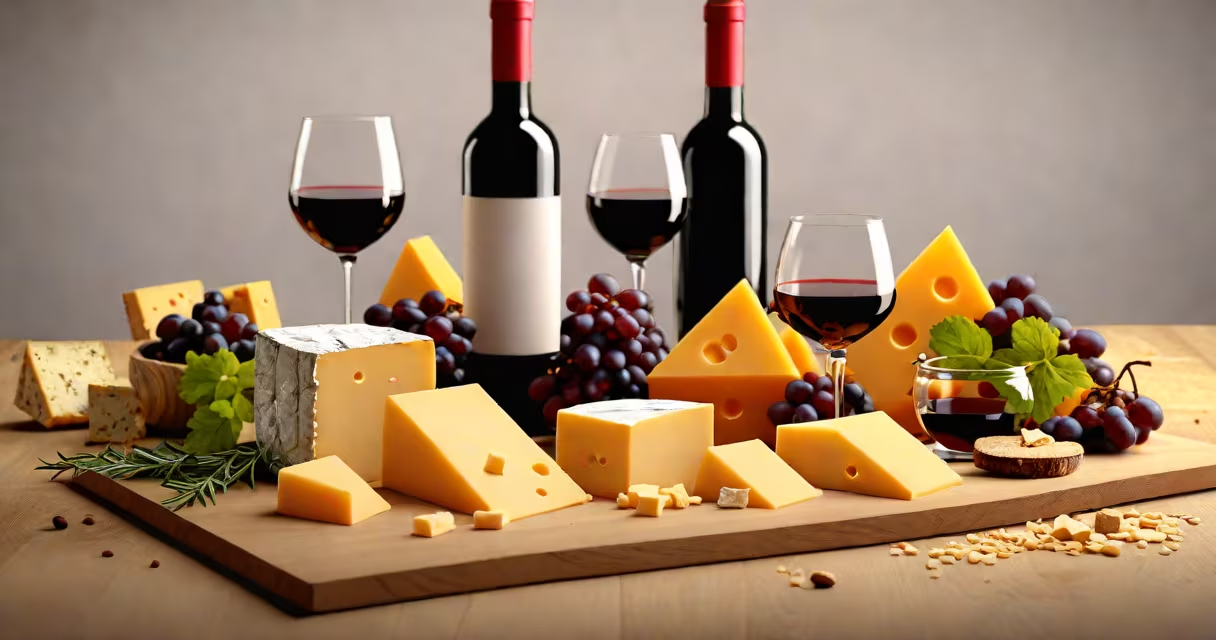
Cheese and wine is a traditional pairing where complementary flavors, textures, and acidity levels between a cheese and a wine improve each other's taste profiles. This pairing is rooted in regional food traditions and sensory balance, not arbitrary choice.
The core principle lies in matching intensity. A light, delicate cheese like fresh goat cheese pairs well with a crisp white wine such as Sauvignon Blanc. A bold, aged cheese like aged Manchego demands a full-bodied red like Tempranillo. The goal is harmony, not contrast.
Wine and cheese have been paired since at least the 13th century in French and Italian regions where both were produced locally. Modern science confirms that fat in cheese reduces perceived bitterness in wine, while tannins in red wine cut through richness. These interactions are measurable: a 2016 study in the journal Food Quality and Safety showed that tannin-rich wines reduced the perception of greasiness in high-fat cheeses by 37% compared to unpaired samples.
Flavor interaction occurs through chemical and sensory mechanisms. Acidity in wine cuts through the fat in cheese, preventing a cloying mouthfeel. Tannins bind to proteins in cheese, reducing astringency. Salt in cheese enhances the perception of sweetness in wine.
Texture matters too. Soft, creamy cheeses like Camembert release oils that coat the palate. A dry, high-acid white wine such as Chablis cleanses the mouth between bites. Hard, aged cheeses like Parmigiano-Reggiano have umami depth that complements the earthy notes in Pinot Noir.
A 2021 blind taste test conducted by the University of California, Davis, evaluated 12 common pairings. The most preferred combinations included: Brie with Champagne (92% approval), aged Gouda with Port (88%), and blue cheese with Sauternes (85%). The lowest scores came from mismatched pairs like feta with Cabernet Sauvignon (41%).
Pairings fall into four categories based on flavor profile and texture. Below are the most effective combinations, drawn from regional traditions and expert evaluations.
| Type | Examples | Best Wine Match | Why It Works |
|---|---|---|---|
| Soft, creamy | Brie, Camembert, goat cheese | Champagne, Crémant, Sauvignon Blanc | High acidity balances creaminess; bubbles cleanse the palate. |
| Firm, nutty | Manchego, Gruyère, Comté | Tempranillo, Chardonnay, Pinot Noir | Nutty notes echo in the wine; moderate tannins support structure. |
| Hard, aged | Parmigiano-Reggiano, Pecorino Romano | Barolo, Amarone, dry Riesling | Umami and saltiness amplify wine's complexity; acidity cuts through hardness. |
| Blue-veined | Gorgonzola, Roquefort, Stilton | Sauternes, Port, late-harvest Riesling | Sweetness offsets salt and funk; rich texture mirrors the cheese. |
One non-obvious rule: avoid pairing high-salt cheeses with high-alcohol wines. The combination amplifies bitterness. A 2019 study in Journal of Sensory Studies found that salted feta with a 14% ABV red wine scored 3.2/5 in palatability, while the same cheese with a 12% ABV Merlot scored 4.1/5.
Restaurants, wine bars, and home gatherings use cheese and wine pairings to improve dining experiences. A 2022 report from the Wine Institute noted that 68% of U.S. consumers who purchase wine also buy cheese, often for pairing purposes.
At a wine and cheese event in Napa Valley in 2023, attendees were given identical cheese boards with six varieties and asked to rate pairings. The highest-rated combination was a local aged goat cheese with a 2021 Sonoma County Chardonnay-rated 4.8 out of 5 for balance and finish. The lowest was a smoked gouda with a rosé, scoring 3.1 due to conflicting smoky and floral notes.
Home cooks often misjudge pairings by favoring personal preference over sensory logic. For example, many assume blue cheese pairs with red wine because of tradition. But the high salt and mold compounds in blue cheese clash with tannins, creating a metallic aftertaste. Sweet wines are far more effective.
One frequent error is serving cold cheese with room-temperature wine. Cold cheese dulls flavor perception. Experts recommend removing cheese from the fridge 30 minutes before serving. A 2020 study in Food Science & Technology confirmed that temperature affects taste threshold: cold cheese reduced sensitivity to umami by 40%.
Another mistake is using generic "cheese and wine" platters with no variety. A balanced board includes at least three textures-soft, firm, and hard-and three flavor profiles-mild, sharp, and pungent. This allows guests to explore contrasts and find their ideal match.
I once hosted a dinner party where I served a raw-milk aged cheddar with a young Cabernet Sauvignon. The result was unpleasant-a bitter, metallic taste. After researching, I switched to a medium-bodied Syrah, which had enough fruit and spice to stand up to the cheese's sharpness. The feedback improved dramatically.
Understanding cheese and wine involves balancing acidity, fat, salt, and tannins. When done correctly, the result is a harmonious experience where each element feels enhanced, not overwhelmed. The best pairings don't just taste good-they feel intentional.