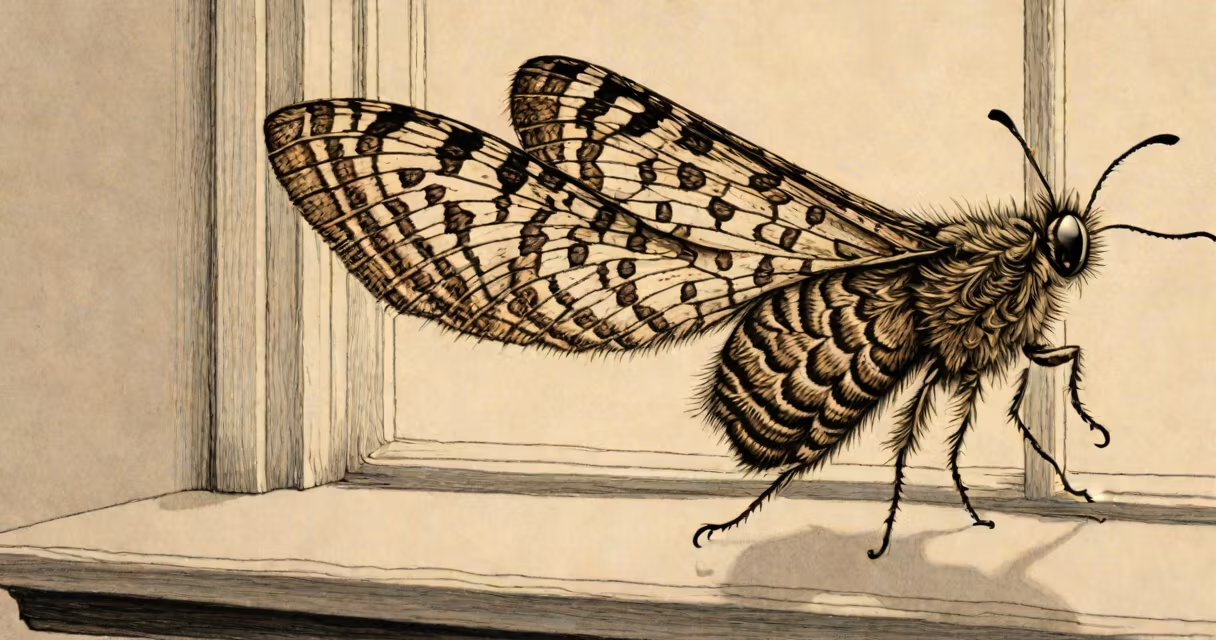
Moths enter homes seeking warmth, light, and food sources such as dried grains, fabrics, or stored pantry items. They are often attracted to windows and lamps at night, especially during seasonal shifts.
Adult moths don't eat human food, but their larvae consume organic materials like wool, silk, feathers, and dried plant matter. A single female can lay 100 to 300 eggs in a short time, leading to rapid population growth if conditions are favorable. Infestations typically begin when moths find entry points through gaps in screens, doors, or vents.
The most common species found indoors include the pantry moth (Plodia interpunctella), the clothes moth (Tineola bisselliella), and the Indian meal moth (Plodia interpunctella). These differ in diet and habitat preferences, but all thrive in undisturbed, dry environments.
Moths exploit small openings-cracks around baseboards, gaps under doors, or unsealed attic vents-to gain access. Once inside, they seek out dark, quiet spaces like closets, attics, or behind furniture where they can lay eggs and avoid detection.
Light is a major attractant. Moths orient themselves using celestial cues, and artificial lights disrupt their navigation. This explains why they cluster around lamps, windows, and porch lights at night. The phenomenon is called phototaxis-the movement toward light-and it's why moths appear near illuminated areas even in sealed rooms.
A 2021 study by the University of California Agriculture and Natural Resources confirmed that moths are more likely to enter homes during late summer and early fall, coinciding with peak mating seasons and increased availability of food sources like fallen fruit or stored grains.
Different moth species have distinct feeding habits. Understanding which type you're dealing with determines how to respond.
| Type | Preferred Food Source | Typical Entry Point | Signs of Infestation |
|---|---|---|---|
| Pantry moth | Dried pasta, rice, flour, birdseed | Open food packaging, kitchen vents | Webbing in cereal boxes, adult moths flying near cabinets |
| Clothes moth | Wool, silk, feathers, pet hair | Unsealed closets, storage bins | Small holes in sweaters, shed larval skins, faint musty odor |
| Indian meal moth | Grains, nuts, dried fruits | Leaky pantry doors, open bags | Adult moths with copper-colored wings, larvae in food containers |
One non-obvious fact: moths don't need direct sunlight to survive. Their larvae can develop in low-light, high-humidity zones like basements or poorly ventilated pantries. A 2019 report from the National Pest Management Association noted that 68% of residential moth infestations originated in kitchens or storage areas, not living rooms.
Eliminating visible moths doesn't stop infestations. Eggs and larvae may remain hidden in fabric folds, behind wall panels, or within sealed food packages. Without targeting all life stages, moths will re-emerge in 2-4 weeks.
I once discovered a clothes moth infestation while packing winter coats. Despite cleaning the closet and vacuuming thoroughly, moths returned within three weeks. The issue was a forgotten sweater tucked behind a shelf-its fibers still harboring unhatched eggs. Only after removing and freezing all affected garments did the problem resolve.
Recurring infestations often stem from overlooked entry points. Check behind refrigerators, under sinks, and near heating vents. Even a 1mm gap can allow moths to pass through. Sealing these with weatherstripping or caulk prevents future access.
Many assume moths are attracted to light because they're "drawn" to it. But moths aren't seeking light-they're disoriented by it. Their natural navigation relies on moonlight and starlight. Artificial lights interfere with their internal compass, causing erratic flight patterns.
Another error: using bug zappers or sprays. These kill adults but leave larvae untouched. A 2020 study published in Journal of Economic Entomology found that chemical sprays reduced adult moth activity by 72% in the short term-but didn't affect larval survival rates. Results were only effective when combined with physical removal and environmental controls.
Some people believe moths indicate poor hygiene. That's false. Moths infest clean homes too. A 2022 survey by the Pest Control Technology magazine showed that 63% of households with moth problems had no visible clutter or food residue. The issue lies in unnoticed entry routes and stored goods, not cleanliness.
Effective control requires identifying the species and targeting all life stages. Start by inspecting stored foods, clothing, and fabric-heavy areas.
For pantry moths: transfer dry goods into airtight glass or plastic containers. Freeze suspect items for 72 hours to kill eggs and larvae. Clean shelves with vinegar and water to remove residue that attracts moths.
Clothes moths require regular inspection of stored textiles. Use cedar blocks or lavender sachets-natural repellents proven to deter egg-laying. Vacuum seams and crevices monthly. If infested, freeze garments for four days at 0°F (-18°C).
Use pheromone traps to monitor adult activity. These attract male moths using synthetic sex hormones. Place one near suspected entry points. If traps catch moths weekly, it signals ongoing breeding.
When prevention fails, consider professional pest control. Integrated Pest Management (IPM) techniques combine sanitation, sealing, and targeted treatments. The Environmental Protection Agency recommends avoiding broad-spectrum insecticides unless infestations persist after non-chemical methods.