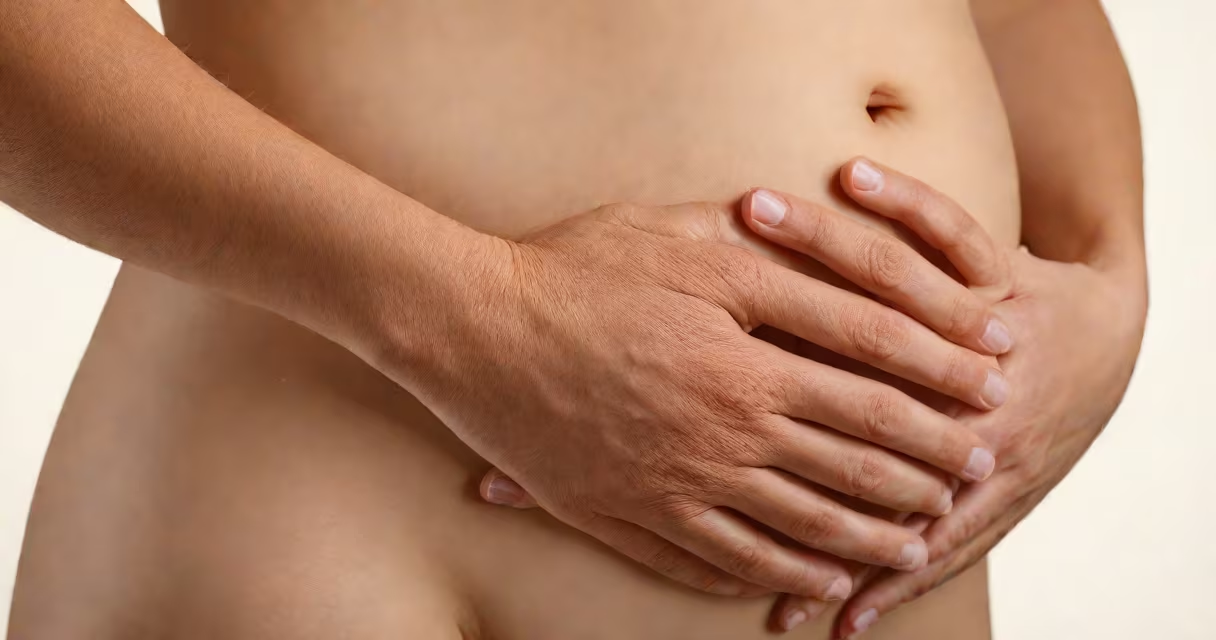
An air feeling in the stomach refers to the sensation of pressure, bloating, or fullness caused by excess air or gas in the digestive tract, often resulting from swallowing air, gas production during digestion, or impaired gas movement.
This sensation is distinct from hunger, nausea, or pain. It typically feels like tightness or swelling in the upper or lower abdomen, sometimes accompanied by burping, passing gas, or audible gurgling. While usually harmless, persistent or severe episodes may signal underlying digestive issues.
The condition arises when air enters the gastrointestinal system through normal processes like eating, drinking, or talking. Air can also form as a byproduct of bacterial fermentation in the colon. When gas accumulates faster than it can be expelled, the stomach and intestines stretch, triggering the sensation of fullness or pressure.
Gas in the digestive tract originates from two primary sources: swallowed air and microbial activity. Swallowed air enters during meals, especially when eating quickly, chewing gum, or drinking carbonated beverages. This air travels into the stomach and small intestine, where it may be absorbed or passed into the large intestine.
Bacterial fermentation in the colon produces gases such as hydrogen, methane, and carbon dioxide. These gases accumulate and contribute to bloating. The nervous system detects distension in the gut wall, sending signals to the brain that register as pressure or discomfort. Not everyone experiences symptoms equally-individual sensitivity varies widely.
A study published in Gastroenterology found that up to 75% of people report bloating at least occasionally, with higher prevalence among individuals with irritable bowel syndrome (IBS). However, bloating does not always correlate with actual gas volume-some people feel full with minimal gas, while others tolerate larger amounts without symptoms.
Swallowing air is the most frequent cause of an air feeling in the stomach. Activities like eating too fast, talking while eating, using straws, or chewing gum increase air intake. Carbonated drinks introduce additional gas directly into the stomach. Certain foods-especially beans, lentils, cruciferous vegetables (broccoli, cabbage), onions, and dairy products-can trigger gas production due to poor digestion or fermentation.
Conditions such as lactose intolerance, fructose malabsorption, and small intestinal bacterial overgrowth (SIBO) impair nutrient breakdown, leading to excessive gas. Functional gastrointestinal disorders like IBS often involve altered gut motility, which delays gas transit and increases symptom severity.
Medications such as antacids containing simethicone, certain antibiotics, and laxatives can alter gut flora or affect gas absorption. Stress and anxiety also influence gut function-research from the National Institute of Diabetes and Digestive and Kidney Diseases (NIDDK) shows that emotional states can slow digestion and increase gas retention.
| Source | Examples | Frequency of Impact |
|---|---|---|
| Swallowed air | Eating rapidly, gum chewing, carbonated drinks | High |
| Dietary fermentation | Beans, broccoli, onions, dairy | Medium to high |
| Medical conditions | Lactose intolerance, SIBO, IBS | Variable |
| Medications | Antacids, some antibiotics | Low to moderate |
An air feeling in the stomach is frequently mistaken for hunger, indigestion, or early signs of illness. Hunger typically presents as gnawing emptiness, low energy, or mild cramping-symptoms that improve with food. In contrast, an air feeling often worsens after eating and may persist despite not being hungry.
Indigestion (dyspepsia) involves burning sensations in the upper abdomen, often linked to acid reflux or gastritis. While both can occur after meals, indigestion is more likely to include heartburn or nausea. An air feeling lacks these features and tends to resolve with belching or passing gas.
One non-obvious distinction: bloating from gas is often localized to the lower abdomen or sides, whereas bloating from fluid retention or constipation may feel diffuse and symmetric. A 2021 review in Alimentary Pharmacology & Therapeutics noted that patients often misattribute gas-related bloating to weight gain or water retention, delaying appropriate management.
Simple behavioral changes reduce air intake. Eat slowly, chew thoroughly, avoid straws, and refrain from chewing gum. Limit carbonated beverages and high-FODMAP foods-those fermentable carbohydrates known to increase gas production. Keeping a food diary helps identify personal triggers.
Physical movement aids gas passage. Walking after meals promotes intestinal motility. Lying on your side with knees drawn up can relieve pressure. Over-the-counter simethicone reduces gas bubble size, making them easier to pass. For chronic cases, a doctor may recommend a low-FODMAP diet or testing for food intolerances.
I once experienced persistent bloating after a meal at a casual restaurant. Despite not overeating, I felt tightness and pressure. After tracking my intake, I realized the carbonated lemonade was the culprit. Eliminating it resolved the issue within hours. This taught me that even small dietary choices can trigger noticeable sensations.
If symptoms recur regularly or interfere with daily life, consult a healthcare provider. Persistent bloating may indicate conditions like celiac disease, inflammatory bowel disease, or ovarian cysts-though these are less common. Testing for lactose intolerance or SIBO may be recommended.