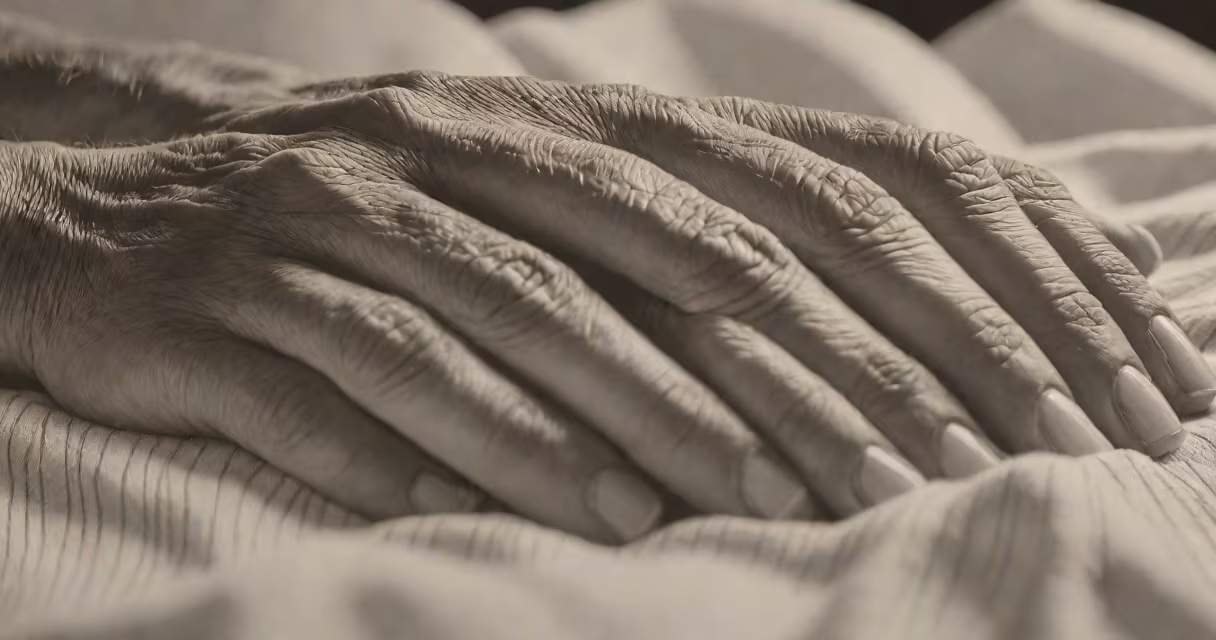
Swelling in the hands upon waking is often due to fluid accumulation during sleep, especially if lying flat or with poor circulation. This condition, known as morning hand edema, can stem from lifestyle habits, medical conditions, or medication side effects.
Fluid normally circulates through the body's lymphatic and venous systems. During sleep, gravity slows blood flow from the extremities. If circulation is sluggish or the body retains sodium, fluid pools in tissues-especially in dependent areas like the hands. Swelling typically resolves within hours of standing and moving.
While occasional morning swelling is normal, persistent or painful swelling may indicate an underlying issue. The American College of Rheumatology notes that joint-related swelling affecting both hands is a red flag for inflammatory arthritis, including rheumatoid arthritis (RA).
During sleep, the body shifts fluid toward the upper body and limbs. Lying flat increases hydrostatic pressure in veins, reducing return flow. This leads to capillary leakage into surrounding tissue-especially in people with compromised vascular health.
Normal fluid balance relies on the lymphatic system to drain excess interstitial fluid. If lymph nodes or vessels are blocked or damaged, drainage fails. For example, secondary lymphedema after breast cancer treatment can cause hand swelling, even in the morning.
Some medications increase fluid retention. Common culprits include calcium channel blockers (e.g., amlodipine), NSAIDs like ibuprofen, and certain antidepressants. A 2021 study in *The Journal of Clinical Hypertension* found that 12% of patients on antihypertensive drugs reported peripheral edema, most noticeable in hands and feet.
Hand swelling upon waking falls into several categories based on origin:
| Category | Key Features | Examples |
|---|---|---|
| Lifestyle | Non-inflammatory, resolves quickly | High salt intake, alcohol consumption, sleeping with arms elevated |
| Medical Conditions | Often bilateral, may involve joints | Rheumatoid arthritis, hypothyroidism, heart failure |
| Medication Side Effects | Onset within days to weeks of starting drug | Amlodipine, celecoxib, some SSRIs |
| Acute Injury or Infection | Localized, warm, painful | Cellulitis, gout flare, trauma |
Bilateral swelling-both hands affected equally-is more likely to be systemic. Unilateral swelling suggests injury or localized inflammation. Morning onset with resolution after movement points to positional fluid pooling.
One non-obvious distinction: swelling from carpal tunnel syndrome is usually not visible in the morning. Instead, numbness and tingling occur during sleep due to nerve compression. True swelling from carpal tunnel is rare unless severe or chronic.
Swelling that persists beyond 30 minutes after rising, worsens throughout the day, or is accompanied by pain, warmth, or skin changes requires evaluation. These signs suggest inflammation or infection.
For example, a 48-year-old woman reported waking with stiff, swollen hands and fatigue. Blood tests revealed positive rheumatoid factor and anti-CCP antibodies. She was diagnosed with early RA and began treatment with methotrexate. Her symptoms improved within six weeks.
Heart failure can also cause morning swelling. The New York Heart Association classifies edema as a sign of worsening cardiac function. Patients may report sudden weight gain, shortness of breath, or needing extra pillows at night.
Autoimmune diseases like lupus can mimic arthritis. A 2022 review in *Arthritis & Rheumatology* noted that up to 40% of lupus patients develop hand swelling, often with Raynaud's phenomenon (fingers turning white in cold).
If swelling occurs occasionally and resolves within an hour of standing, adjusting sleep position or reducing salt intake may help. Try elevating your hands while sleeping or avoid heavy meals close to bedtime.
However, if swelling lasts longer than two hours, affects multiple joints, or returns daily, consult a healthcare provider. Early diagnosis improves outcomes for conditions like RA and thyroid disease.
Recognizing the difference between temporary fluid shifts and persistent pathology prevents delays in treatment. When I wake up my hands are swollen-this symptom deserves attention, not dismissal.