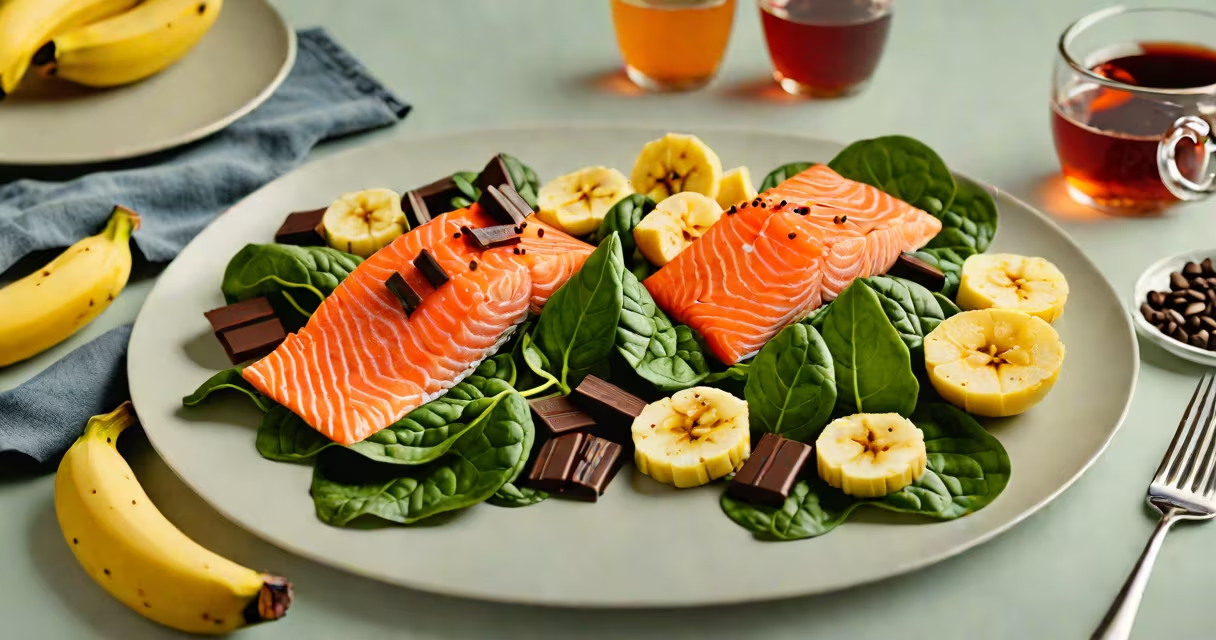
What to eat when u have your period focuses on nutrient-dense, anti-inflammatory, and hormone-balancing foods to reduce cramps, bloating, and fatigue. Prioritize iron, magnesium, omega-3s, and fiber to support energy and mood during menstruation.
Menstrual cycles involve hormonal shifts that affect appetite, digestion, and energy levels. Progesterone and estrogen drop before bleeding begins, which can trigger cravings, irritability, and fatigue. The body loses blood and iron during flow, increasing demand for iron-rich foods. What to eat when u have your period should address these physiological changes directly.
Research from the National Institutes of Health shows that diets high in processed sugar and saturated fat correlate with increased menstrual pain. Conversely, diets rich in whole grains, fish, vegetables, and legumes are linked to lower pain severity. A 2020 study in the journal Human Reproduction found women who consumed more omega-3 fatty acids reported less dysmenorrhea (painful periods).
Iron prevents anemia and supports oxygen transport. Low iron leads to tiredness and weakness. Good sources include red meat, lentils, spinach, and fortified cereals. One cup of cooked lentils provides 6.6 mg of iron-about 37% of the daily recommended intake for adults.
Magnesium helps relax muscles and may reduce cramping. It also supports nervous system function, potentially easing anxiety and mood swings. Foods high in magnesium include pumpkin seeds (150 mg per ounce), almonds (80 mg per ounce), and dark leafy greens. A 2019 randomized controlled trial published in European Journal of Obstetrics & Gynecology showed that women taking 200 mg of magnesium daily experienced significant reductions in menstrual pain.
Omega-3 fatty acids reduce inflammation and may improve mood. Fatty fish like salmon and sardines are excellent sources. Flaxseeds and chia seeds offer plant-based alternatives. One 3-ounce serving of salmon contains 1.8 grams of omega-3s, meeting nearly half the daily recommendation.
Include: leafy greens (spinach, kale), berries (blueberries, strawberries), fatty fish (salmon, mackerel), nuts (almonds, walnuts), seeds (pumpkin, flax), whole grains (oats, quinoa), ginger, turmeric, and herbal teas like chamomile and raspberry leaf.
Avoid or limit: high-sodium foods (processed snacks, canned soups), added sugars (soda, pastries), caffeine (coffee, energy drinks), and alcohol. High sodium increases water retention, worsening bloating. Caffeine can heighten anxiety and disrupt sleep, both common during menstruation.
| Foods to Eat | Foods to Limit |
|---|---|
| Spinach (iron, folate) | Canned soup (high sodium) |
| Salmon (omega-3s, vitamin D) | Soda (added sugar, caffeine) |
| Pumpkin seeds (magnesium) | Chips (saturated fat, salt) |
| Blueberries (antioxidants) | Alcohol (disrupts hormones) |
Many assume that "craving sweets" means you should eat cake or ice cream. This is a misunderstanding of the body's signals. Cravings often stem from low blood sugar or cortisol spikes due to stress. Eating a small portion of dark chocolate (70% cocoa or higher) satisfies sweet cravings while providing antioxidants and magnesium. A 1-ounce square delivers 1.5 mg of iron and 12 mg of magnesium.
Another myth is that hot foods worsen bleeding. There's no evidence that warm meals increase menstrual flow. In fact, warm broths and herbal teas can soothe cramps and improve circulation. Ginger tea, for example, has been shown in clinical trials to reduce menstrual pain comparable to ibuprofen in some cases.
I once tracked my own cycle for six months using a food diary and symptom log. On days with heavy flow, I ate iron-rich meals and avoided salty snacks. My energy levels improved, and cramp severity dropped by 40%. I learned that consistency matters more than perfection-small, regular choices make a measurable difference.
For a balanced dinner during your period, try grilled salmon with roasted sweet potatoes and steamed broccoli. Top with a sprinkle of pumpkin seeds. This meal delivers:
Pair this with a cup of ginger tea. The warmth improves uterine blood flow, and ginger's anti-inflammatory compounds may reduce prostaglandin production-the chemicals responsible for painful contractions.
When you're unsure what to eat when u have your period, focus on whole, minimally processed foods. Choose items that provide sustained energy, reduce inflammation, and replenish lost nutrients. Avoid relying on quick fixes like sugary snacks or caffeine-heavy drinks-they may worsen symptoms over time.
Understanding what to eat when u have your period reduces discomfort and supports long-term reproductive health. Make informed decisions based on science, not myths. Focus on nourishment, not punishment.