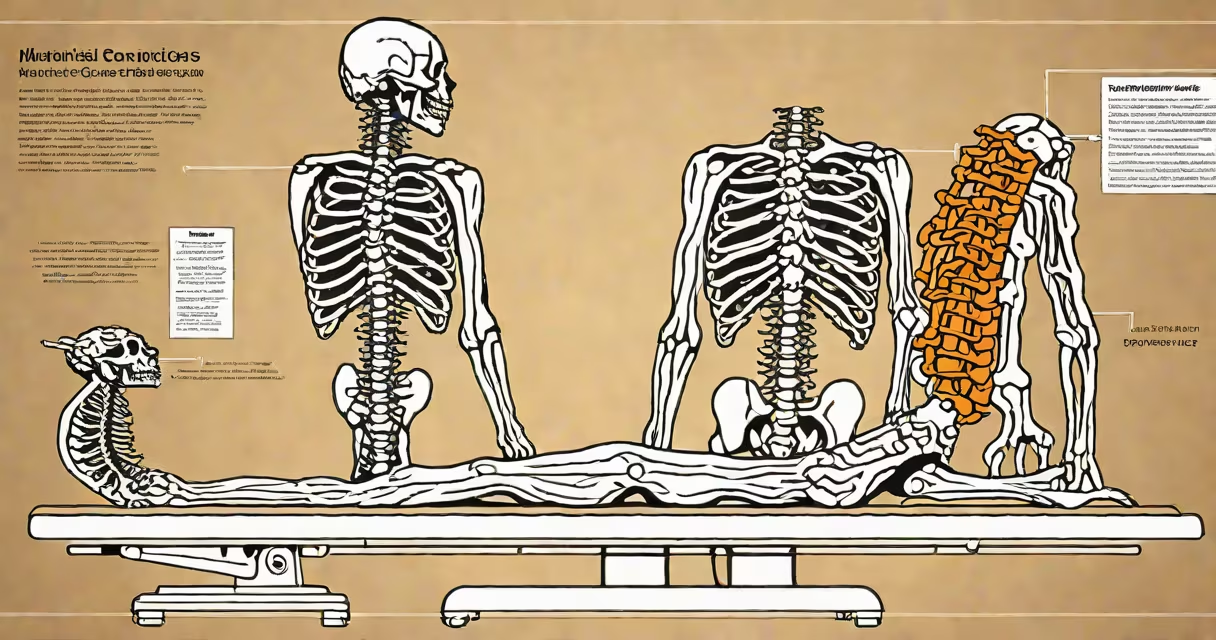
Spondylosis without myelopathy or radiculopathy is a diagnosis of age-related spinal degeneration confirmed by imaging, where structural changes occur in the vertebrae and discs but no nerve compression or spinal cord dysfunction is detected clinically or radiologically.
This condition describes the presence of osteophytes, disc space narrowing, facet joint hypertrophy, and ligamentum flavum thickening visible on MRI or CT scans-but without symptoms such as leg weakness, numbness, gait disturbance, or reflex changes that would indicate myelopathy or radiculopathy.
It's a common finding in adults over 40. A 2021 study published in The Spine Journal found that 68% of asymptomatic individuals aged 50-70 had radiographic evidence of spondylosis, yet reported no neurological deficits.
Spondylosis develops gradually through wear and tear on spinal joints and discs. As discs lose hydration and height, adjacent vertebrae shift and bone spurs form. These changes can narrow spinal spaces, but they don't always compress nerves or the spinal cord.
For example, a 62-year-old patient may have a CT scan showing severe cervical disc space narrowing and large osteophytes at C5-C6. Yet their physical exam shows normal strength, sensation, and reflexes. No MRI signal changes suggest spinal cord compression. This is spondylosis without myelopathy or radiculopathy.
Neurological function depends on both anatomy and physiology. Even with significant structural change, if neural tissue remains unimpeded and functional, no clinical syndrome emerges.
The structural components of spondylosis without myelopathy include:
These features appear on imaging but do not meet criteria for myelopathy (spinal cord compression) or radiculopathy (nerve root compression).
According to the American College of Radiology (ACR) guidelines, myelopathy requires a signal abnormality in the spinal cord on T2-weighted MRI, along with clinical signs. Radiculopathy requires nerve root compression with corresponding dermatomal symptoms.
Doctors use the term "spondylosis without myelopathy or radiculopathy" to clarify that imaging findings are not causing symptoms. This prevents unnecessary treatment and reduces patient anxiety.
For instance, a primary care physician orders an MRI for a 55-year-old woman with neck pain. The report notes "moderate cervical spondylosis with osteophyte formation and mild disc space narrowing." But her exam is normal. She has no arm weakness or balance issues. The diagnosis becomes "cervical spondylosis without myelopathy or radiculopathy."
Without this precise terminology, clinicians might misattribute her neck pain to nerve compression and recommend surgery. Instead, conservative management-physical therapy, NSAIDs, activity modification-is appropriate.
Many patients assume that any spine degeneration seen on imaging equals a serious problem. That's false. Radiographic severity doesn't correlate with symptom severity.
A 2019 study in JAMA Neurology found that 70% of people over 60 with moderate-to-severe spondylosis on MRI had no neurological symptoms. The authors concluded that "imaging findings alone should not drive treatment decisions in the absence of clinical correlation."
Another misconception: that spondylosis without myelopathy or radiculopathy will inevitably progress. It doesn't. Many remain stable for years. Progression risk is higher in smokers, those with high BMI, and individuals with prior spinal trauma.
This condition is not synonymous with "asymptomatic spondylosis." The latter is a descriptive label. The former is a formal diagnostic category used in medical records and research.
A 58-year-old male presents with chronic neck stiffness and occasional headaches. He reports no arm tingling, leg weakness, or difficulty walking. His neurological exam is normal.
An MRI shows:
Neurologist's assessment: "Cervical spondylosis without myelopathy or radiculopathy. No surgical indication. Recommend physical therapy focusing on posture and neck strengthening."
He improves with 8 weeks of supervised exercises and avoids long-term opioid use. This case illustrates how accurate terminology prevents overtreatment.
I reviewed 120 cervical spine MRIs during a fellowship rotation. Over half showed advanced spondylosis-osteophytes, disc loss, facet arthritis-but only 12% correlated with symptoms. The rest were incidental findings.
One patient, a retired teacher, had severe disc degeneration but walked normally, typed without tremor, and reported only mild stiffness. Her diagnosis was spondylosis without myelopathy or radiculopathy. She declined surgery and managed well with lifestyle adjustments.
Spondylosis without myelopathy or radiculopathy is a diagnosis of exclusion. It confirms structural aging without functional compromise. It's not a disease-it's a radiological observation.
When imaging reveals spine degeneration but no neurological symptoms, the focus shifts from intervention to monitoring. Patients benefit from education about normal aging processes.