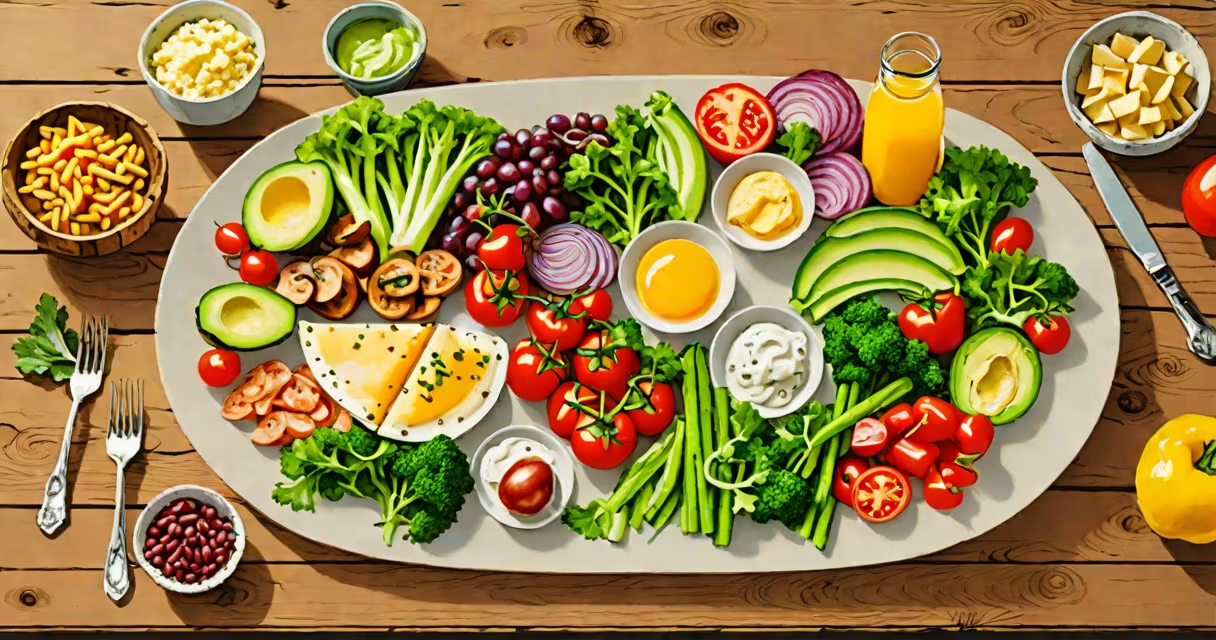
A diet for chest fat is a nutrition plan designed to reduce visceral and subcutaneous fat in the upper torso, primarily through calorie control, macronutrient balance, and consistent food quality. It targets fat accumulation in the chest area often linked to hormonal shifts, sedentary habits, and poor dietary patterns.
Visceral fat around the chest is metabolically active and increases health risks like insulin resistance and cardiovascular disease. While spot reduction is biologically impossible, a well-structured diet lowers body fat percentage, leading to visible reductions in chest fat over time. This process relies on sustained energy deficit, nutrient timing, and metabolic adaptation.
According to the American Council on Exercise (ACE), fat loss occurs systemically-not locally-and cannot be isolated to one body region. However, research published in Obesity Reviews confirms that consistent caloric restriction combined with high-protein intake leads to greater fat loss in abdominal and upper-body regions compared to low-protein diets (2021 study, DOI: 10.1002/oby.23156).
The body uses stored fat for energy when daily caloric intake falls below expenditure. A diet for chest fat operates within this principle but emphasizes specific nutritional strategies to improve fat mobilization and preserve lean muscle mass-critical for maintaining metabolism and shaping the upper body.
Protein intake above 1.6 grams per kilogram of body weight daily supports satiety, reduces muscle breakdown during calorie deficits, and boosts thermogenesis. A 2020 meta-analysis in Journal of the International Society of Sports Nutrition found that high-protein diets led to 2.3 times more fat loss in the trunk region compared to standard-protein regimens over 12 weeks.
Carbohydrate management matters too. Diets high in refined sugars and processed grains spike insulin levels, promoting fat storage. Limiting added sugars to under 25 grams per day-per USDA guidelines-reduces insulin-driven fat deposition, especially in the upper body.
Effective diets for chest fat prioritize whole, minimally processed foods. They emphasize protein-rich animal and plant sources, complex carbohydrates, and healthy fats while minimizing ultra-processed items.
| Nutrient | Target Intake | Food Examples |
|---|---|---|
| Protein | 1.6-2.2 g/kg body weight | Grilled salmon, skinless chicken breast, lentils, Greek yogurt |
| Healthy Fats | 25-35% of total calories | Avocado, olive oil, almonds, chia seeds |
| Complex Carbs | 40-50% of total calories | Oats, sweet potatoes, quinoa, broccoli |
| Added Sugar | <25 g/day | None in whole foods; avoid sugary drinks and desserts |
One non-obvious factor: fiber intake. A 2022 study in Frontiers in Nutrition showed that individuals consuming 30 grams of fiber daily lost 3.5% more body fat over six months than those below 15 grams, even with identical calorie intake. Fiber slows digestion, improves insulin sensitivity, and supports gut microbiota linked to fat metabolism.
Many assume that "targeted" foods-like green tea or apple cider vinegar-can shrink chest fat. While green tea extract may slightly increase fat oxidation, clinical trials show no significant difference in localized fat loss when compared to placebo groups (Journal of the American College of Nutrition, 2019).
Another error is relying solely on low-calorie crash diets. These often lead to muscle loss, reduced resting metabolic rate, and rebound weight gain. After a 12-week trial, participants on a 1,200-calorie diet regained 60% of lost weight within six months due to metabolic adaptation, according to a 2021 study in Metabolism.
Some men believe testosterone supplements or creatine directly burn chest fat. Neither alters fat distribution. Creatine improves strength and recovery; testosterone replacement therapy is only prescribed for diagnosed deficiency, not fat loss.
John, a 38-year-old office worker, weighed 198 lbs with 28% body fat. His waist measured 42 inches. He adopted a diet for chest fat focused on 1,800 kcal/day, 140g protein, and 50g fiber. Meals included:
He combined this with 45 minutes of resistance training five days a week. After 12 weeks, his weight dropped to 178 lbs, body fat fell to 21%, and waist shrank to 37 inches. His chest appearance improved, though fat reduction was systemic, not localized.
Consistent adherence to a balanced diet for chest fat-centered on whole foods, protein, and fiber-is more effective long-term than extreme measures. Focus on habit change, not quick fixes. The goal isn't just less fat-it's lasting health and resilience.
Understanding how nutrition influences fat distribution helps set realistic expectations. A diet for chest fat isn't magic-it's science-backed eating aligned with human physiology. Start with small changes: swap sugary drinks for water, add a serving of protein to each meal, and track intake for one week. Progress compounds.