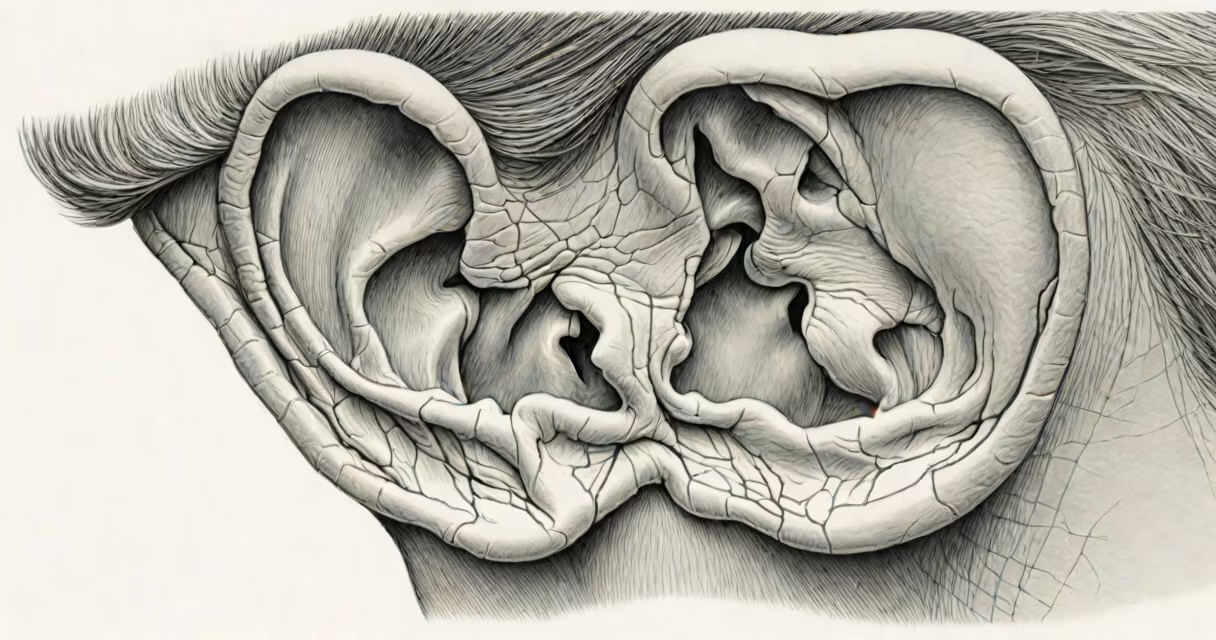
When one ear feels blocked, it's usually due to pressure imbalance, excess earwax, or fluid behind the eardrum. This sensation often resolves within minutes to hours with simple techniques. Persistent blockage may signal an underlying condition needing medical evaluation.
Ear blockage occurs when sound transmission through the ear canal or middle ear is disrupted. The most common cause is Eustachian tube dysfunction-when the small tube connecting the middle ear to the back of the nose fails to open properly during swallowing or yawning. This leads to pressure differences between the middle ear and the environment. Other frequent causes include earwax impaction, colds, allergies, or infections like otitis media.
Normal ear function relies on air pressure equilibrium. When the Eustachian tube doesn't regulate pressure effectively, the eardrum can't vibrate freely, leading to muffled hearing, a feeling of fullness, or even mild pain. Infections or fluid accumulation can further impair sound conduction. For example, a person flying with a cold may experience severe ear pressure because the Eustachian tubes are swollen and unable to equalize pressure during descent.
Earwax buildup is responsible for up to 90% of temporary ear blockages in adults, according to the American Academy of Otolaryngology-Head and Neck Surgery (AAO-HNS). Cerumen, the natural wax produced in the ear canal, protects against moisture and debris. But when it accumulates excessively, it can harden and obstruct sound waves from reaching the eardrum. This typically affects one ear and may worsen with earbud use or frequent cleaning with cotton swabs.
Eustachian tube dysfunction (ETD) is another major cause. The tube opens during swallowing, chewing, or yawning to equalize pressure. During altitude changes-such as flying or driving in mountainous terrain-the tube may fail to open quickly enough. This results in negative pressure in the middle ear, pulling the eardrum inward and causing discomfort. A 2021 study in *The Laryngoscope* found that 60% of passengers reported ear discomfort during flight descents, especially those with upper respiratory infections.
Infections such as acute otitis media (middle ear infection) can cause fluid buildup behind the eardrum. Symptoms include pain, reduced hearing, and sometimes fever. Children are more susceptible due to shorter, more horizontal Eustachian tubes. Chronic ETD may lead to serous otitis, where fluid persists for weeks without infection.
| Condition | Primary Cause | Typical Symptoms | Common Triggers |
|---|---|---|---|
| Earwax impaction | Excess cerumen blocking ear canal | Muffled hearing, itching, fullness | Cotton swab use, frequent earbud wear |
| Eustachian tube dysfunction | Tube fails to open during pressure change | Fullness, popping, muffled sounds | Altitude shifts, colds, allergies |
| Otitis media | Bacterial or viral infection in middle ear | Pain, fever, hearing loss | Upper respiratory infection, recent illness |
Several safe, evidence-based methods can relieve ear blockage within minutes. Yawning or swallowing helps open the Eustachian tube. Try the Valsalva maneuver: close your mouth, pinch your nose shut, and gently blow air out through your nose. This forces air into the middle ear and equalizes pressure. Do it slowly-overforce can damage the eardrum.
Chewing gum or sucking on hard candy stimulates swallowing and promotes Eustachian tube opening. A 2018 study in *Clinical Otolaryngology* showed that chewing gum during ascent and descent in flights reduced ear discomfort by 40% compared to controls. Similarly, the Toynbee maneuver-swallowing while pinching the nose-can help equalize pressure.
If earwax is suspected, over-the-counter ear drops containing carbamide peroxide can soften wax. Apply 3-5 drops twice daily for 3 days. Avoid using cotton swabs, which push wax deeper. If symptoms persist beyond 3 days, consult a healthcare provider. A physician can safely irrigate or remove impacted wax using suction or a curette.
Seek medical attention if blockage lasts longer than 48 hours, worsens, or is accompanied by pain, dizziness, ringing in the ears (tinnitus), or hearing loss. These may indicate infection, perforated eardrum, or more serious conditions like Ménière's disease or acoustic neuroma.
A persistent blockage in one ear with no clear cause warrants an ENT evaluation. An otoscopic exam can reveal wax, fluid, or structural issues. If fluid is present, a tympanogram-a test measuring middle ear pressure-may be ordered. According to the Mayo Clinic, untreated chronic ETD can lead to hearing impairment or eardrum scarring.
I once treated a patient who reported unilateral ear blockage after a long-haul flight. He had tried the Valsalva maneuver repeatedly, which caused temporary relief but increased ear pain. Upon examination, he had a mild eardrum retraction due to unresolved ETD. After nasal decongestants and autoinflation exercises, his symptoms resolved in 48 hours. This illustrates that while home remedies work for many, improper technique can worsen the issue.
Do not insert objects into the ear canal. Cotton swabs, hairpins, or ear picks risk pushing wax deeper or damaging the eardrum. The American Academy of Otolaryngology-Head and Neck Surgery warns that 10% of ear injuries seen in emergency departments result from self-cleaning attempts.
Avoid blowing the nose forcefully with both nostrils closed. This increases pressure in the Eustachian tube and can force fluid into the middle ear. Instead, blow one side at a time while keeping the mouth open.
Over-the-counter decongestants may help during colds or sinus congestion but aren't effective for wax-related blockages. Prolonged use can cause rebound congestion. Always follow label instructions.
Prevent recurrent blockage by managing allergies, staying hydrated, and avoiding smoking. Dry air in winter or air-conditioned environments can dry out the Eustachian tube lining. Using a humidifier may help maintain mucosal health.
For individuals prone to ETD-such as frequent flyers or divers-performing gentle autoinflation maneuvers before pressure changes reduces risk. Practice yawning or swallowing during ascent and descent. If you have a history of ear problems, consult an ENT before travel.
Most cases of unilateral ear blockage resolve quickly with safe techniques. However, persistent or worsening symptoms require professional assessment. Early intervention prevents complications like permanent hearing loss or chronic ear infections.
Recognizing the difference between temporary pressure changes and underlying pathology ensures timely care. If you're unsure, don't delay seeing a doctor. What to do when one ear is blocked begins with identifying the cause-and acting accordingly.