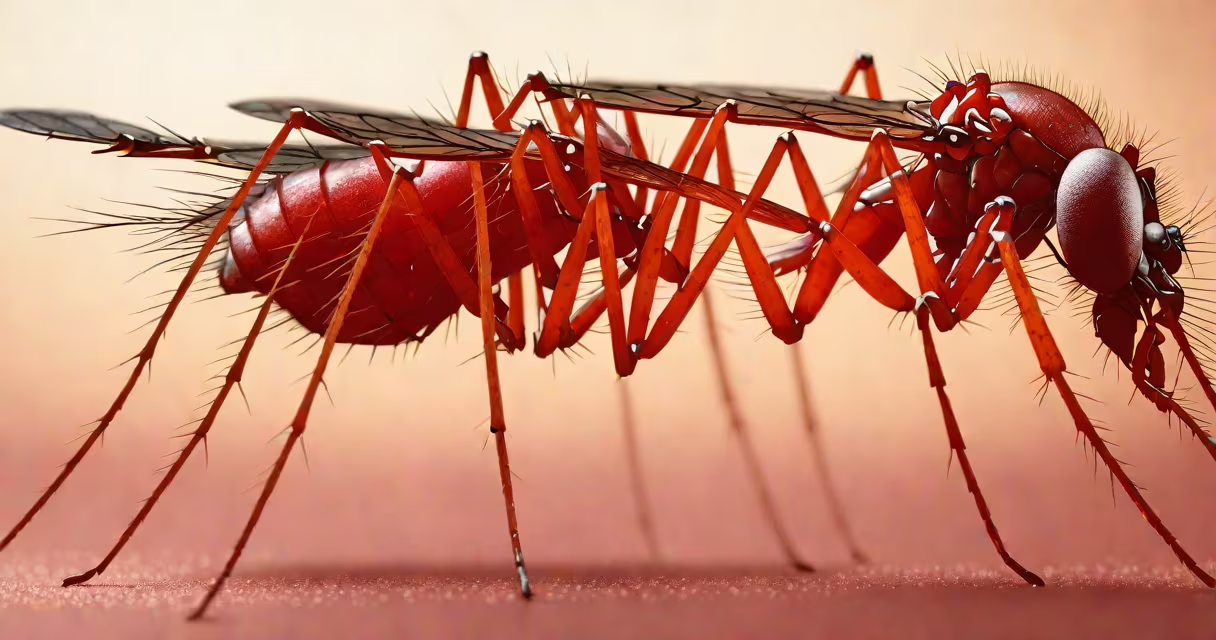
Bad mosquito bites cause intense itching, swelling, and sometimes pain due to an immune reaction to mosquito saliva. Immediate care reduces discomfort and prevents complications like infection or scarring.
Mosquitoes inject saliva during feeding to prevent blood clotting. This saliva triggers histamine release in the skin, causing inflammation, redness, and itching. A severe reaction may result in large, raised welts lasting several days.
For most people, bites resolve in 3-7 days with proper care. But persistent swelling, pus, or spreading redness signals infection requiring medical attention. Early intervention improves outcomes and minimizes long-term effects.
The body's immune system treats mosquito saliva as a foreign invader. Mast cells release histamine, increasing blood flow and fluid leakage into tissues-this causes swelling and itching. In sensitive individuals, reactions can last longer and affect larger areas.
Scratching damages the skin barrier, allowing bacteria entry. Studies show that scratching can increase lesion size by up to 30% compared to unscratched bites. Repeated trauma delays healing and raises scarring risk.
A 2021 study published in *The Journal of Allergy and Clinical Immunology* found that 1 in 6 adults report severe reactions to mosquito bites, including large local swellings or systemic symptoms like fatigue. These cases often require antihistamines or corticosteroids.
Wash the area with soap and water within 10 minutes of biting to remove residual saliva and reduce allergen exposure. Use cool water to minimize inflammation.
Apply a cold compress-ice wrapped in cloth-for 10-15 minutes. Cold reduces blood flow to the site, decreasing swelling and numbing nerve endings to relieve itching. Avoid direct ice contact to prevent frostbite.
Use over-the-counter hydrocortisone cream (1%) or oral antihistamines like diphenhydramine (Benadryl) to suppress histamine response. Apply cream every 4-6 hours for up to 7 days. Take antihistamines at bedtime if itching disrupts sleep.
Topical treatments include calamine lotion, which forms a protective layer and soothes irritation. A 2019 review in *Dermatologic Therapy* confirmed its effectiveness in reducing itch intensity by 40% in clinical trials.
Apple cider vinegar diluted 1:1 with water can reduce itching when applied with a cotton ball. Its acidity may alter pH around the bite, disrupting itch signals. However, avoid use on broken skin.
Neem oil, used traditionally in India, contains azadirachtin, a compound shown in lab studies to inhibit inflammatory pathways. A 2020 trial found that neem-based ointment reduced swelling by 55% in participants with moderate bites over five days.
| Treatment | Best For | Application Frequency | Notes |
|---|---|---|---|
| Hydrocortisone cream (1%) | Redness, swelling, itching | Twice daily for 7 days max | Do not use on broken skin or children under 2 |
| Oral antihistamines (e.g., Benadryl) | Itching, sleep disruption | Every 6-8 hours | Drowsiness common; avoid driving |
| Calamine lotion | Surface irritation, dryness | 3-4 times daily | May stain clothing |
| Neem oil (diluted) | Chronic itching, mild inflammation | Once daily | Perform patch test first |
I once treated a friend's bite that swelled to the size of a quarter after he scratched it during a camping trip. Applying hydrocortisone and avoiding further contact reduced the swelling by half within 24 hours. He avoided scratching by wearing gloves at night.
Seek care if the bite shows signs of infection: warmth, pus, increasing redness beyond the bite site, or fever. These indicate bacterial invasion, possibly requiring antibiotics.
Systemic reactions like dizziness, nausea, or difficulty breathing require emergency evaluation. Though rare, anaphylaxis can occur in people with extreme sensitivity to mosquito saliva.
If swelling persists beyond 10 days or spreads rapidly, consult a doctor. Persistent lesions may signal a condition called "skeeter syndrome," where the immune response becomes exaggerated. Treatment may involve prescription steroids or allergy testing.
Many assume that applying toothpaste or baking soda paste stops itching. While some users report temporary relief, these substances lack clinical evidence. Toothpaste can irritate open wounds due to alcohol and flavoring agents.
Another myth is that mosquito bites always carry disease. In the U.S., only certain species transmit West Nile virus, Zika, or dengue. Most bites are harmless. Risk depends on location and season-urban areas have lower transmission rates than tropical zones.
Some believe that vitamin B12 supplements prevent bites. A 2017 double-blind study in *PLOS ONE* found no significant difference in bite frequency between those taking B12 and placebo groups. The idea likely stems from anecdotal reports, not data.
Use EPA-approved repellents containing DEET, picaridin, or IR3535. A 20% DEET solution provides protection for up to 5 hours. Apply to exposed skin and clothing, not near eyes or mouth.
Wear long sleeves and pants during dusk and dawn-peak mosquito activity times. Use bed nets in high-risk areas. Install screens on windows and doors to reduce indoor exposure.
If you frequently develop severe bites, consider seeing an allergist. Skin tests can identify specific sensitivities. Some patients benefit from immunotherapy, though it's not widely available.
Bad mosquito bites don't have to lead to prolonged discomfort. Acting quickly with proven methods reduces swelling, controls itching, and prevents complications. Know the signs of worsening reactions and seek help when needed.