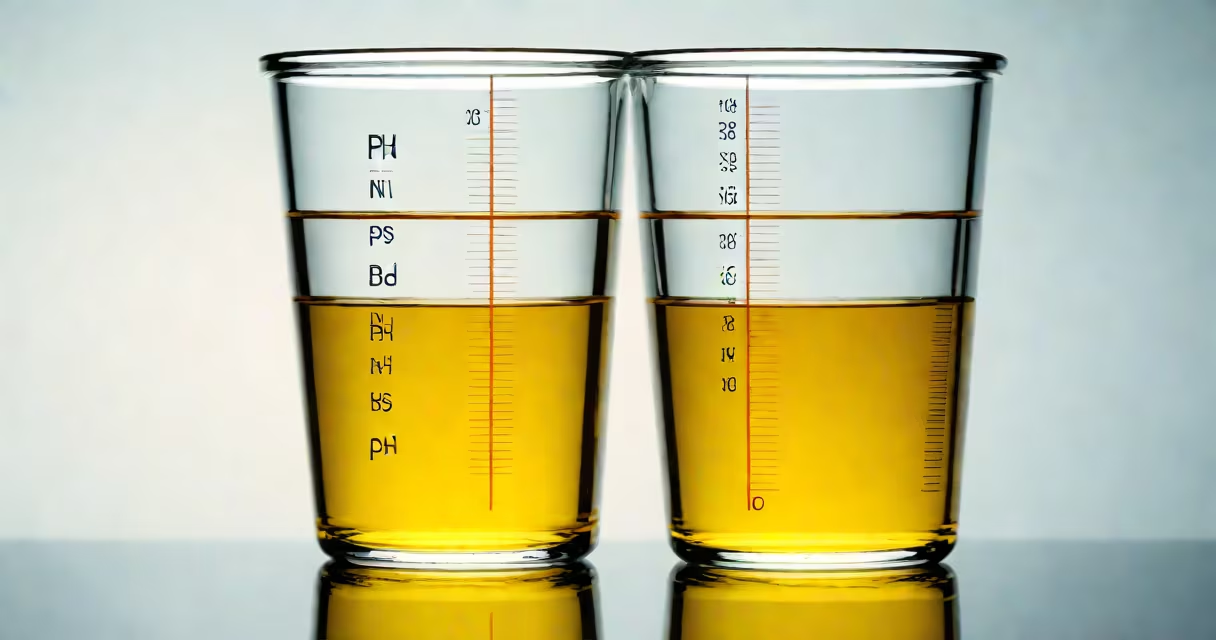
The normal pH level in urine ranges from 4.6 to 8.0, with most healthy adults measuring between 6.0 and 7.5. This variation reflects daily diet, hydration, and kidney regulation of acid-base balance.
Urine pH is measured using a dipstick test or laboratory analysis. A value below 5.0 indicates acidic urine, while above 8.0 signals alkaline urine. Values outside the typical range may suggest metabolic disturbances, infections, or kidney issues.
According to the National Institutes of Health (NIH), urine pH is influenced by diet, medications, and underlying health conditions. For example, high-protein diets increase acidity, while plant-based diets tend to raise alkalinity. The kidneys adjust pH by excreting hydrogen ions or bicarbonate, maintaining systemic balance.
The kidneys regulate blood pH by altering the composition of urine. When blood becomes too acidic, the kidneys excrete more hydrogen ions into urine, lowering its pH. Conversely, when blood is too alkaline, they retain fewer hydrogen ions, raising urine pH.
This process occurs primarily in the distal tubules of nephrons. Cells in these regions actively transport hydrogen ions into the tubular lumen, while reabsorbing bicarbonate into the bloodstream. This dual action stabilizes blood pH within 7.35 to 7.45.
A 2021 study published in *Clinical Journal of the American Society of Nephrology* found that chronic low urine pH (<5.5) correlates with increased risk of kidney stones, particularly calcium oxalate stones. Maintaining urine pH above 6.0 reduces stone formation by limiting crystal growth.
Diet affects urine pH. High intake of animal proteins increases sulfuric acid production, leading to more acidic urine. Vegetables and fruits produce bicarbonate precursors, promoting alkaline urine.
Common medications also alter results. Ammonium chloride supplements lower pH, while potassium citrate raises it. Antibiotics like trimethoprim-sulfamethoxazole can make urine more acidic, increasing the risk of crystalluria.
Urinary tract infections (UTIs) caused by urease-producing bacteria such as *Proteus mirabilis* rapidly alkalinize urine. These microbes break down urea into ammonia, raising pH above 7.5. This environment favors struvite stone formation.
| Factor | Effect on Urine pH | Example Value |
|---|---|---|
| High-protein diet | Decreases pH (acidic) | 5.0-6.0 |
| Plant-based diet | Increases pH (alkaline) | 7.0-8.0 |
| UTI with *Proteus* | Strongly increases pH | 8.0+ |
| Diabetic ketoacidosis | Decreases pH | 4.6-5.5 |
Many people assume that urine pH directly reflects body pH. This is incorrect. Blood pH remains tightly regulated between 7.35 and 7.45. Urine pH only indicates renal handling of acids and bases, not systemic acid-base status.
Another error is interpreting a single urine test as diagnostic. A pH reading can fluctuate throughout the day due to meals, hydration, and circadian rhythms. For accurate assessment, multiple samples over 24 hours are recommended.
A 2019 review in *American Journal of Kidney Diseases* noted that patients often misinterpret low urine pH as a sign of dehydration. While dehydration concentrates urine, it doesn't necessarily lower pH. True acidosis requires blood gas analysis for confirmation.
Consistently low urine pH (<5.0) may indicate metabolic acidosis, renal tubular acidosis (RTA), or uncontrolled diabetes. In RTA Type 1, the kidneys fail to excrete hydrogen ions properly, leading to persistent acidemia and low urine pH despite systemic acidosis.
High urine pH (>7.5) can signal urinary tract infections, kidney stones, or certain metabolic disorders. Alkaline urine promotes precipitation of magnesium ammonium phosphate (struvite) stones, which are common in women with recurrent UTIs.
For example, a 42-year-old woman presented with flank pain and fever. Her initial urine dipstick showed pH 8.2. A urinalysis confirmed pyuria and bacteriuria. Culture grew *Proteus vulgaris*. She was treated with ciprofloxacin and citrate supplementation to prevent recurrence.
Normal urine pH varies widely based on time of day, meal timing, and hydration. Morning samples tend to be more acidic due to overnight metabolism. After eating, especially protein-rich meals, pH drops temporarily.
For individuals with a history of kidney stones, maintaining urine pH between 6.0 and 7.0 is ideal. Citrate-rich foods like lemons and oranges help buffer acidity. Supplementation with potassium citrate may be prescribed if dietary changes aren't sufficient.
If you're trying to lower your urine pH, focus on reducing animal protein intake and avoiding excessive citrus. Diet modification is safer than supplements for long-term control.
Urine pH is not a standalone metric. It must be interpreted alongside symptoms, blood tests, and imaging. A single abnormal result rarely indicates disease. Consistent patterns over time are clinically meaningful.