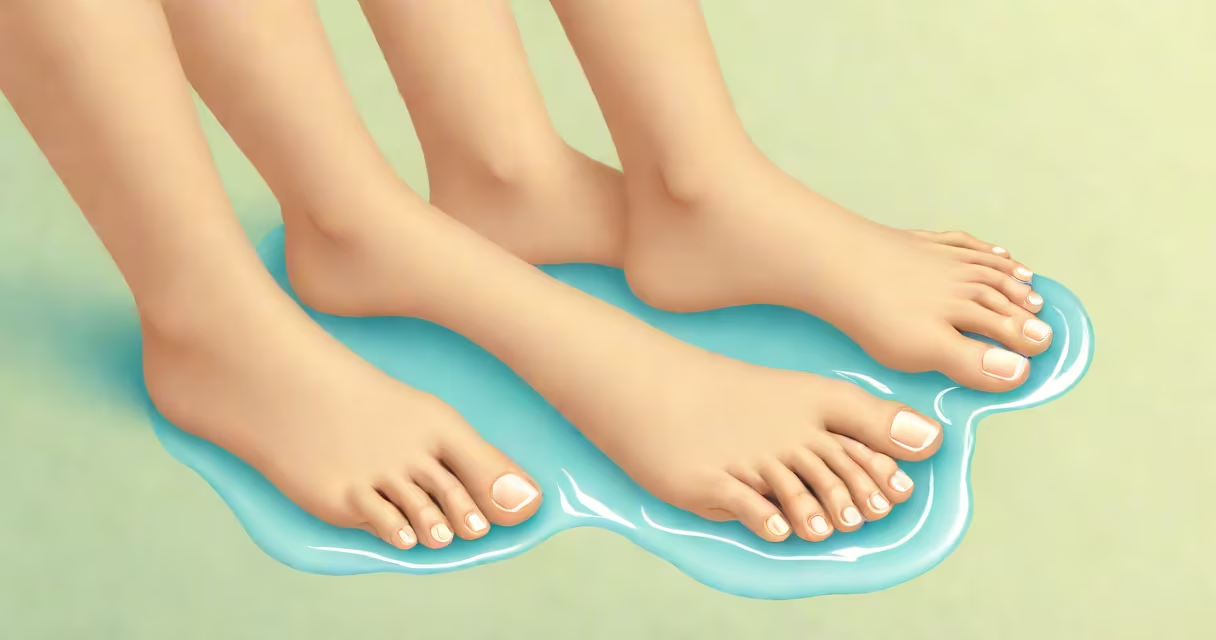
Fluid build up feet refers to the abnormal accumulation of interstitial fluid in the tissues of the feet, typically resulting in visible swelling, puffiness, or pitting upon pressure. This condition, medically known as peripheral edema, arises when fluid leaks from blood vessels into surrounding tissue spaces. It commonly affects both feet symmetrically but may occur unilaterally due to injury or localized inflammation.
Edema develops when the balance between fluid entering and exiting capillaries is disrupted. Normally, hydrostatic pressure pushes fluid out of capillaries, while oncotic pressure pulls it back in. When venous return slows, lymphatic drainage fails, or plasma protein levels drop, fluid escapes and pools in dependent areas like the feet. Prolonged standing, pregnancy, or heart failure can tip this balance. The American Heart Association notes that 30% of patients with congestive heart failure report bilateral foot swelling as an early symptom.
Swelling may start subtly-tight shoes, rings feeling snug, or slight puffiness around the ankle-but progress to noticeable enlargement. Pressing a fingertip into the skin leaves a temporary dent (pitting edema), a key clinical sign. Non-pitting edema, which feels firm and doesn't indent, suggests conditions like lymphedema or myxedema from hypothyroidism. Not all swelling is pathological; transient fluid retention after long flights or high-salt meals is common and resolves quickly.
Fluid enters the foot's soft tissue through capillary walls when hydrostatic pressure exceeds oncotic pressure. This imbalance often stems from reduced cardiac output, venous insufficiency, or low serum albumin. For example, in chronic venous insufficiency, damaged valves allow blood to pool in the legs, increasing capillary pressure and forcing fluid into the tissues. The National Institutes of Health reports that nearly 40% of adults over 60 show some degree of venous reflux, a major contributor to lower-limb edema.
Lymphatic system failure is another mechanism. Lymph nodes filter fluid and return it to circulation. If they're blocked-by infection, surgery, or cancer-the fluid backs up. Lymphedema typically causes non-pitting, firm swelling, often starting in the toes and progressing upward. Unlike heart-related edema, it rarely improves with elevation alone.
Medications can trigger fluid retention too. Calcium channel blockers (e.g., amlodipine), NSAIDs, and certain diabetes drugs increase sodium reabsorption in the kidneys, leading to volume expansion. A 2021 study in *The Journal of Clinical Hypertension* found that 17% of patients on amlodipine developed mild to moderate foot swelling within six months of starting treatment.
Understanding the root cause guides diagnosis and treatment. Below are the most frequent contributors to fluid build up feet:
| Type | Primary Cause | Key Features | Prevalence |
|---|---|---|---|
| Cardiogenic | Heart failure | Bilateral, pitting, worsens with activity, improves with rest | ~20% of heart failure cases |
| Renal | Chronic kidney disease | Generalized, includes face and hands, elevated creatinine | Over 30% of stage 3+ CKD patients |
| Peripheral venous | Varicose veins, deep vein thrombosis | Often unilateral, warm, red, painful | Up to 15% of adults with varicose veins |
| Lymphedema | Blockage in lymphatic system | Non-pitting, firm, progressive, may involve entire limb | ~1 in 10,000 people globally |
| Medication-induced | Calcium channel blockers, steroids | Onset within weeks of starting drug, resolves after discontinuation | 10-20% of users |
One underappreciated cause is prolonged sitting during travel. Airplane cabins maintain low humidity and reduced oxygen, which can increase capillary permeability. A 2019 study in *Aviation, Space, and Environmental Medicine* found that 43% of passengers on flights over six hours reported foot swelling post-flight, with symptoms resolving within 24 hours.
Not all foot swelling requires medical attention. However, sudden onset, asymmetry, pain, redness, or fever suggest infection or clotting. A single swollen foot with warmth and tenderness may indicate deep vein thrombosis (DVT), a potentially life-threatening condition. The CDC states that DVT affects ~900,000 Americans annually, with leg swelling being the most common initial sign.
Other red flags include rapid weight gain (>2 kg in 3 days), shortness of breath, or nighttime coughing-signs of fluid overload from heart or kidney disease. If swelling spreads to the calves or thighs, or if the skin turns shiny or discolored, consult a provider promptly. Persistent edema despite elevation and hydration may indicate underlying organ dysfunction.
I once observed a patient who dismissed morning foot swelling as "just aging." Over two weeks, the swelling worsened, spreading to her shins. Blood tests revealed severely low albumin (1.8 g/dL)-well below normal (3.5-5.0 g/dL)-pointing to liver or kidney failure. She was hospitalized with ascites and required diuretics. Early intervention prevented further complications.
People frequently confuse fluid build up feet with gout, arthritis, or insect bites. Gout causes sudden, intense pain in the big toe joint, often at night, with redness and heat-not diffuse swelling. Arthritis leads to stiffness and joint deformity, not pitting edema. Insect bites produce localized itching and raised welts, not generalized puffiness.
Another common error is assuming all swelling is due to salt intake. While high sodium contributes to fluid retention, it rarely causes isolated foot swelling without other risk factors. A 2020 study in *Nutrition Reviews* showed that reducing dietary sodium lowered blood pressure but had minimal effect on edema in otherwise healthy individuals.
True fluid build up feet is not simply "water weight." It reflects physiological disruption. The presence of pitting-where pressure leaves a lasting dent-is a diagnostic sign. If pressing the skin with a thumb leaves a depression that takes five seconds or longer to fill, it indicates significant fluid accumulation.
Simple measures reduce mild cases. Elevating the feet above heart level for 30 minutes twice daily improves venous return. Compression socks (20-30 mmHg) apply graduated pressure, aiding blood flow and preventing pooling. Limiting salt intake to less than 2,300 mg/day (per USDA guidelines) helps control fluid balance.
For persistent or worsening swelling, see a healthcare provider. Tests may include blood work (creatinine, BUN, albumin), urinalysis, echocardiogram, or ultrasound of the legs. Treatment depends on the cause: diuretics for heart failure, anticoagulants for DVT, or thyroid replacement for hypothyroidism.
Fluid build up feet is not a standalone diagnosis. It's a sign of systemic imbalance. Recognizing its patterns-symmetry, pitting, progression-helps distinguish harmless retention from serious illness. Early evaluation prevents complications like skin breakdown, infection, or worsening organ function.