The candida diet is a nutritional protocol designed to reduce overgrowth of Candida albicans, a yeast naturally present in the human gut, by restricting sugars, refined carbohydrates, alcohol, and processed foods. It aims to restore microbial balance and alleviate symptoms such as fatigue, brain fog, and digestive discomfort linked to yeast imbalances.
Candida is a type of fungus that lives in small amounts in the mouth, intestines, and on skin. When it multiplies unchecked-often due to antibiotics, high-sugar diets, or weakened immunity-it can cause infections ranging from oral thrush to chronic gastrointestinal issues. The candida diet doesn't claim to cure systemic candidiasis in immunocompromised patients, but it supports symptom management in individuals reporting yeast-related fatigue and bloating.
According to the National Institutes of Health (NIH), while no clinical trials confirm that dietary changes eliminate Candida overgrowth in healthy people, reducing fermentable carbohydrates may improve gut microbiome diversity. A 2021 study published in *Frontiers in Microbiology* found that low-carb diets altered gut flora in ways that reduced fungal colonization in mice models-though human results remain inconclusive.
The diet operates on the principle that Candida feeds on sugar and simple carbohydrates. By removing these substrates, proponents believe the yeast population diminishes, allowing beneficial bacteria to regain dominance. This shift may reduce inflammation and improve energy levels, though scientific consensus on these outcomes remains limited.
Participants typically eliminate all forms of added sugar, including honey, maple syrup, and agave. They also avoid alcohol, bread, pasta, potatoes, and most fruits except berries in moderation. Foods high in fermentable fibers-like onions, garlic, and legumes-are often restricted during early phases due to concerns about feeding yeast or triggering gas and bloating.
A 2019 review in *Nutrients* noted that low-FODMAP diets (which restrict fermentable carbs) improved irritable bowel syndrome symptoms in 70% of participants. While not specifically targeting Candida, the overlap in food restrictions suggests potential benefit for those experiencing gut distress, regardless of fungal status.
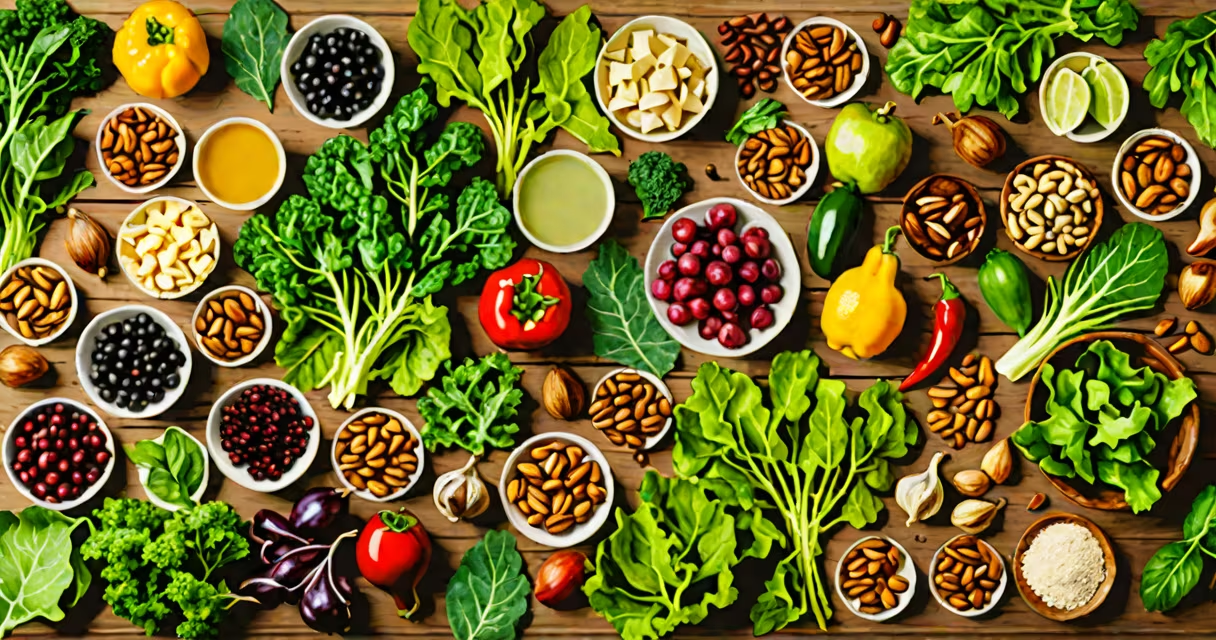
The candida diet emphasizes whole, unprocessed foods. Below is a breakdown of permitted and restricted items:
| Permitted Foods | Restricted Foods |
|---|---|
| Leafy greens (spinach, kale) | Sugars (table sugar, sucrose, fructose) |
| Non-starchy vegetables (zucchini, broccoli) | Refined grains (white rice, wheat flour) |
| Lean proteins (chicken, turkey, fish) | Alcohol (especially beer and wine) |
| Nuts and seeds (almonds, chia, flax) | Dairy (except plain Greek yogurt in small amounts) |
| Low-sugar fruits (blueberries, green apples) | Processed snacks and condiments with hidden sugars |
Some versions of the diet recommend avoiding mushrooms, despite their lack of sugar, because they are fungi and may stimulate immune responses in sensitive individuals. However, this is not supported by clinical evidence and is considered speculative.
One non-obvious point: fermented foods like sauerkraut and kefir are often excluded early in the diet due to their live cultures, which some practitioners believe could feed yeast. Yet research from the American Society for Microbiology shows that certain probiotics, particularly Lactobacillus strains, inhibit Candida growth in vitro. This contradiction highlights a gap between anecdotal advice and current science.
The candida diet typically lasts 30 to 90 days. Most guides suggest starting with a strict elimination phase, then reintroducing foods gradually to identify triggers. Reintroduction is critical-without it, individuals risk relapse or developing disordered eating patterns.
A common misunderstanding is that the diet treats systemic candidiasis-a rare condition affecting people with severely compromised immune systems. The U.S. Centers for Disease Control and Prevention (CDC) states that systemic candidiasis requires antifungal medication, not dietary changes. The candida diet is not a substitute for medical treatment in such cases.
I tested the diet for 60 days during a period of persistent fatigue and bloating. After eliminating sugar and processed foods, my energy stabilized within two weeks. I reintroduced bananas and oats slowly and noticed increased bloating after the third day-confirming sensitivity. The improvement wasn't dramatic, but consistent enough to continue the pattern long-term.
The candida diet is used primarily by individuals seeking relief from chronic fatigue, recurring vaginal yeast infections, or digestive issues they attribute to yeast overgrowth. It's not recommended for people with eating disorders or those who rely on high-carb diets for athletic performance.
It's frequently confused with the "candida cleanse," a broader term encompassing supplements, colonics, and detox teas. These practices lack scientific backing and can disrupt gut health. The candida diet, by contrast, focuses solely on food choices and is grounded in metabolic logic.
While no large-scale human trials prove the candida diet reverses yeast overgrowth, its focus on whole foods aligns with guidelines from the Academy of Nutrition and Dietetics. Reducing sugar intake improves insulin sensitivity and lowers inflammation-benefits that extend beyond yeast control.
What is the candida diet? It's a structured eating plan aimed at reducing fermentable substrates to support gut balance. It's not a miracle cure, but for some, it offers measurable improvements in well-being when combined with professional guidance and realistic expectations.