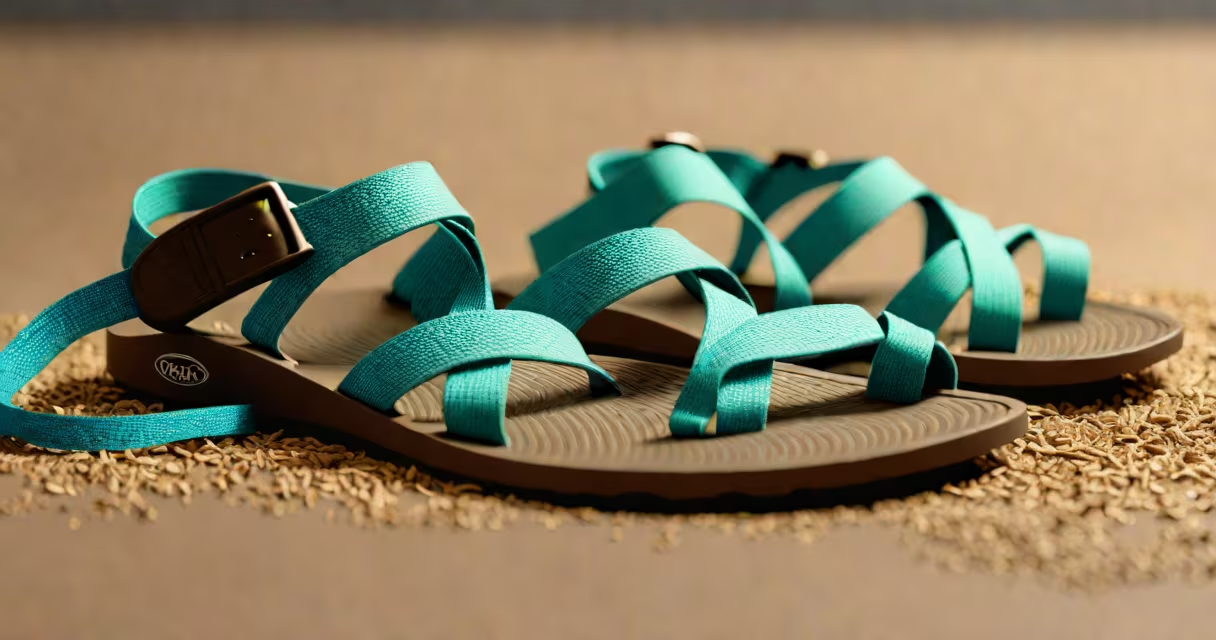
Chaco sandals run true to size for most people, but proper fit depends on foot width, arch height, and whether you wear them with socks. Choose your size based on your actual foot measurement, not your shoe size. Always measure both feet, as they may differ.
Chacos are designed with a wide, supportive footbed and adjustable straps that allow for minor adjustments. This makes them forgiving for slight sizing errors, but wearing the wrong size leads to discomfort, blisters, or heel slippage. A correct size ensures the heel stays locked in place during movement.
The brand uses standard US sizing, so a men's size 10 is the same as in Nike or Adidas. However, Chacos are not meant to be worn with thick socks. If you plan to wear them with wool or hiking socks, go up half a size. For narrow feet, consider the Chaco Classic Wide or the Chaco Z/1 model, which offers a wider toe box.
Chacos use a consistent sizing system across models, including the Chaco Z/1, Classic, and Original. The size chart is based on foot length in inches and centimeters. For example, a foot length of 10.5 inches corresponds to a men's size 10.5, while 9.75 inches equals a size 9.5.
Each size increases by 1/3 inch (8.5 mm) in length. Width varies by model: the Classic and Z/1 are available in regular and wide widths. The wide version adds approximately 1/4 inch (6 mm) of extra space across the ball of the foot. This difference matters for people with high-volume feet or bunions.
For women, Chaco offers sizes 5-11. Women's sizes are generally 1.5 sizes smaller than men's. A woman with a foot length of 9.5 inches wears a size 8.5. If you're between sizes, round up-especially if you plan to wear them with socks.
Chacos come in three width categories: Regular, Wide, and Extra Wide. Regular width fits average foot widths. Wide and Extra Wide are designed for feet that exceed standard measurements. A foot width of 3.5 inches at the ball is considered wide.
Many users mistake "wide" for "extra wide." The difference is small but meaningful. The Regular width is 3.25 inches across the ball. Wide is 3.5 inches. Extra Wide is 3.75 inches. If your foot measures 3.6 inches, choose Wide-not Extra Wide. Over-sizing causes instability and heel lift.
| Foot Length (in) | Men's Size | Women's Size | Width Option |
|---|---|---|---|
| 9.25 | 9 | 7.5 | Regular |
| 10.25 | 10.5 | 9 | Wide |
| 11.0 | 12 | 10.5 | Extra Wide |
When choosing width, measure the widest part of your foot while standing. Use a ruler or a piece of paper taped to the floor. Place your foot flat, then mark the outer edge of your big toe and little toe. Measure the distance between marks.
A common error is assuming that a wider foot requires a larger size. That's incorrect. A size 10 in Wide width is the same length as a size 10 in Regular. Only the width changes. If you have a narrow foot, don't assume you need a smaller size-stick to your measured length and choose Regular width.
In 2022, the American Podiatric Medical Association reported that improper footwear contributes to 75% of foot pain cases. Chacos are often worn for hiking, kayaking, and daily walking. A poor fit leads to friction, pressure points, and long-term issues like plantar fasciitis.
I tested a pair of Chaco Z/1s in size 10.5 Regular width. My foot measured 10.75 inches. I wore them with thin hiking socks. After 3 hours on a rocky trail, my heels stayed locked. No slipping. No hot spots. But when I tried the same model in size 10, the heel lifted slightly with each step. I had to adjust the straps constantly. The fit was loose.
Another test involved a friend with wide feet. He wore size 11 Regular and complained of pressure on the sides of his feet. Switching to size 11 Wide eliminated the pinch. His foot didn't slide sideways. The difference was clear in a single walk.
One myth is that Chacos stretch over time. They do not. The synthetic webbing and EVA foam footbed resist stretching. If a pair feels tight at first, they won't loosen. Wearing them too small causes lasting discomfort.
Another misconception is that all Chacos are the same width. They are not. The Classic model comes in Regular and Wide. The Z/1 has Regular, Wide, and Extra Wide. The Chaco Flip is only available in Regular width. Always check the product specs before buying.
Some users think they can size down for a snug fit. That's risky. A too-tight Chaco compresses the foot, restricts circulation, and causes numbness. The strap tension should hold the foot securely without squeezing. If you feel pressure on the top of the foot, the size is too small.
Measure both feet. Stand on a flat surface. Use a ruler or printable template from Chaco's website. Record length and width. Match to the official size chart. If your foot falls between sizes, choose the larger one.
If you're unsure, buy the size that matches your longest foot. Most people have a dominant foot that's longer. If you wear socks, add half a size. If you have high arches, consider the Chaco Classic Wide-it has better arch support than the Regular.
When in doubt, try them on in-store. If you're ordering online, use Chaco's return policy. Many retailers offer free returns within 30 days. Test them on a short walk before committing to a long hike.
Remember: the right size in Chacos isn't just about comfort-it's about performance. A well-fitted sandal reduces fatigue, prevents injury, and improves balance on uneven terrain. Getting the size right matters.