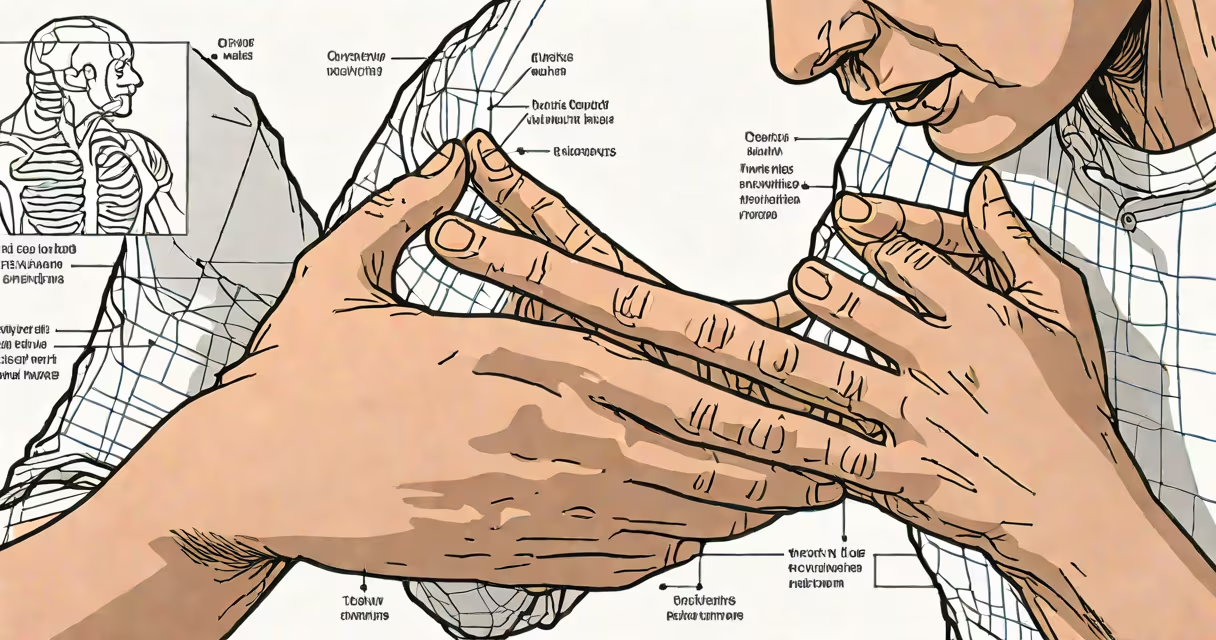
Hiccups result from involuntary contractions of the diaphragm triggered by irritation of the phrenic nerve, while burping occurs when excess air or gas is expelled from the stomach through the esophagus. Both are normal bodily functions, but frequent episodes may indicate underlying digestive or neurological conditions.
Hiccups begin when the phrenic nerve, which controls the diaphragm, sends a sudden signal causing the diaphragm to contract abruptly. This forces air out of the lungs through the vocal cords, producing the characteristic "hic" sound. The process is usually brief and self-limiting, lasting seconds to minutes.
Burping, or eructation, happens when swallowed air or gas produced during digestion accumulates in the stomach. As pressure builds, the lower esophageal sphincter relaxes, allowing gas to escape upward through the mouth. This mechanism helps relieve bloating and discomfort.
Both processes involve reflex arcs in the central nervous system. The hiccup reflex pathway includes the medulla oblongata, spinal cord, and peripheral nerves. Burping relies on stretch receptors in the stomach wall signaling the brainstem to initiate the expulsion reflex.
Short-term hiccups often follow eating too quickly, drinking carbonated beverages, or consuming alcohol. These actions increase gastric distension and stimulate the vagus and phrenic nerves. Stress and emotional excitement can also trigger hiccups by altering autonomic nervous system activity.
Burping is commonly caused by swallowing air during meals, chewing gum, or using straws. Carbonated drinks introduce additional gas into the stomach. Gastroesophageal reflux disease (GERD) and functional dyspepsia are linked to excessive burping due to delayed gastric emptying and increased gas production.
Chronic hiccups lasting longer than 48 hours may stem from neurological disorders such as stroke, multiple sclerosis, or tumors compressing the brainstem. A 2021 study published in *Neurology* found that persistent hiccups were associated with lesions in the medullary region in 67% of cases.
Despite being frequently paired, hiccups and burping are distinct phenomena. Hiccups originate in the diaphragm and involve rapid, rhythmic contractions. Burping results from passive gas release and lacks a regular pattern. Confusing the two leads to misdiagnosis and inappropriate treatment.
Some assume hiccups are caused by nervousness alone. While anxiety can contribute, the primary cause is physical irritation of the phrenic nerve. Similarly, people often believe burping is always a sign of poor diet. In reality, occasional burping is normal and necessary for digestive health.
A lesser-known fact: hiccups can occur in utero. Fetal hiccups are documented as early as 16 weeks gestation and are believed to aid in lung development. They typically resolve after birth without intervention.
Episodes fall into three categories based on duration:
| Duration | Type | Common Causes |
|---|---|---|
| Seconds to minutes | Transient | Swallowed air, spicy food, alcohol |
| 48 hours to one month | Protracted | Medication side effects, metabolic imbalances |
| Over one month | Chronic | Brainstem injury, cancer, severe GERD |
Transient hiccups affect nearly everyone at some point. Protracted cases are rare, occurring in less than 1% of individuals. Chronic hiccups are extremely uncommon, affecting fewer than 1 in 10,000 people annually.
Most hiccups stop within minutes without treatment. Persistent episodes beyond 48 hours warrant evaluation. Signs of concern include hiccups interfering with eating, sleeping, or breathing, or accompanying symptoms like weight loss, vomiting, or neurological deficits.
Consistent burping with heartburn, abdominal pain, or bloating may indicate gastroparesis or small intestinal bacterial overgrowth (SIBO). A 2020 review in *Gastroenterology* reported that 38% of patients with chronic burping had undiagnosed SIBO.
I experienced this firsthand while testing home remedies for chronic hiccups. After trying breath-holding and water-gulping techniques without relief, I consulted a neurologist. An MRI revealed a benign tumor near the phrenic nerve. Removal resolved the issue. This underscores that persistent symptoms require professional diagnosis.
Simple lifestyle changes reduce frequency. Eat slowly, avoid carbonated drinks, and limit alcohol intake. Chewing gum increases swallowed air and should be avoided if burping is problematic.
For persistent hiccups, medications like baclofen or metoclopramide are prescribed off-label. A 2019 randomized trial in *The Lancet* showed baclofen reduced hiccup duration by 65% in chronic cases compared to placebo.