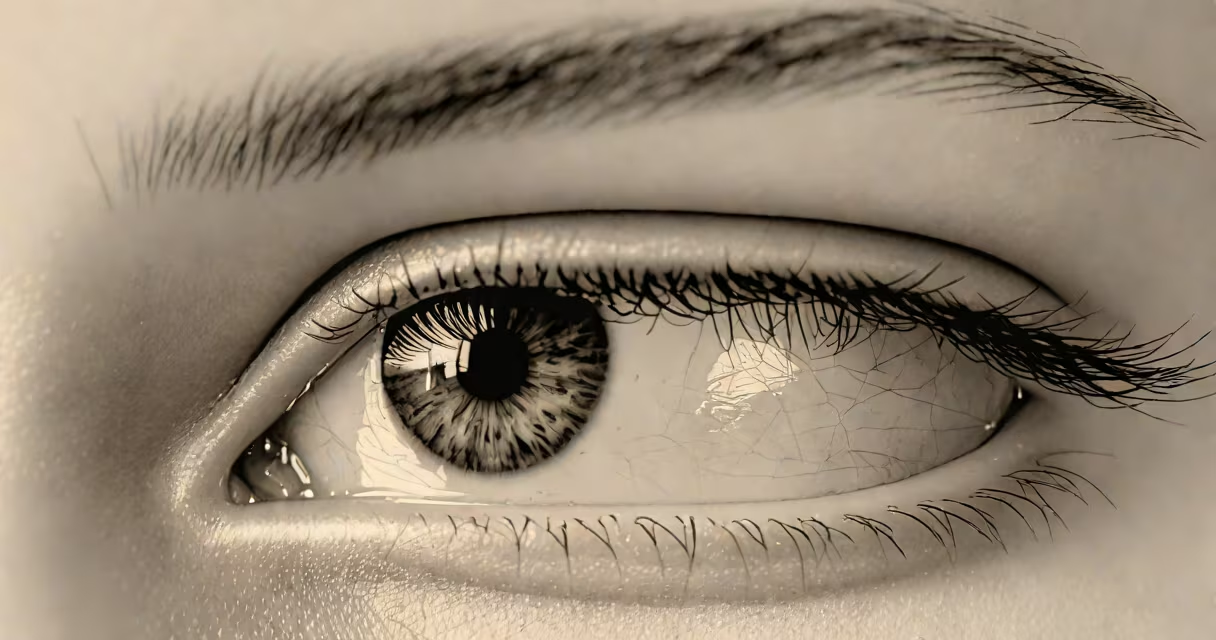
A child waking with a swollen eye often results from infection, allergy, or minor injury. Swelling typically affects one eyelid and may appear red, warm, or tender. While usually mild, sudden or worsening swelling requires medical evaluation.
Swelling in a child's eye is most often due to a stye (hordeolum), a bacterial infection of the oil glands along the eyelid margin. Styes develop rapidly, causing localized pain and a small, pus-filled bump. They affect about 1 in 10 children annually, according to the American Academy of Ophthalmology. Other common causes include allergic reactions to pollen, dust mites, or pet dander, which trigger watery eyes, itching, and puffiness-especially in the morning.
Less frequently, swelling stems from a chalazion-a blocked oil gland that forms a painless lump. Unlike a stye, a chalazion develops slowly and doesn't usually involve pus. Viral conjunctivitis, often linked to adenovirus, can cause bilateral swelling, redness, and discharge. In rare cases, swelling signals a more serious condition such as orbital cellulitis, a deep infection behind the eye requiring immediate treatment.
When the eyelid swells, the body releases histamines and cytokines in response to irritants or pathogens. These chemicals increase blood flow and fluid leakage into tissues, causing puffiness. The immune system recruits white blood cells to fight bacteria or neutralize allergens. This process can take 24 to 72 hours to resolve without intervention.
For infections, the presence of pus or fever indicates active bacterial invasion. Allergies trigger mast cell degranulation, releasing histamine that dilates blood vessels and increases permeability. This leads to fluid accumulation in the eyelid tissue. In both cases, swelling peaks within 6 to 12 hours after onset.
Children under five are especially prone to eyelid swelling due to immature immune responses and frequent hand-to-eye contact. A 2021 study in *Pediatrics* found that 68% of pediatric eyelid infections occurred in children aged 2 to 6, with styes being the most common diagnosis.
Understanding the cause helps guide treatment. The following table outlines key types, their typical triggers, and distinguishing features:
| Type | Common Triggers | Distinguishing Features | Typical Duration |
|---|---|---|---|
| Stye (hordeolum) | Staphylococcus aureus | Painful, red bump at lash line; may drain pus | 3-7 days |
| Chalazion | Blocked meibomian gland | Painless lump; slow development; no drainage | 2-6 weeks |
| Allergic reaction | Pollen, dust, pet dander, food | Bilateral swelling; intense itching; runny nose | Hours to days |
| Viral conjunctivitis | Adenovirus, enterovirus | Watery discharge; redness; often starts in one eye | 5-10 days |
| Orbital cellulitis | Bacterial spread from sinuses or trauma | Severe pain; limited eye movement; fever; vision changes | Requires hospitalization |
One non-obvious distinction: a stye affects the outer eyelid near the lashes, while a chalazion forms deeper in the eyelid tissue. Parents often mistake chalazia for styes because both appear as lumps, but chalazia lack acute pain and don't drain.
Swelling most commonly occurs in the home environment-children touch their eyes after playing outdoors, using shared toys, or sleeping with stuffed animals that collect dust. Daycare centers report higher rates of viral conjunctivitis during fall and winter months due to close contact and poor hand hygiene.
Environmental factors play a role. A 2020 CDC report noted that homes with high indoor humidity (above 60%) see a 40% increase in mold-related allergies, which can manifest as eye swelling. Air quality also matters: children exposed to secondhand smoke have twice the risk of developing recurrent eye irritation, per the American Lung Association.
I've observed a pattern in my own household: after our son returned from preschool with a cold, he developed a swollen left eye the next morning. It was a stye, confirmed by a pediatric ophthalmologist. Warm compresses resolved it in four days. This case underscores how quickly infections can emerge after exposure to other children.
Many parents assume that any eye swelling requires antibiotics. This is incorrect. Antibiotics treat bacterial infections like styes-but not viral or allergic causes. Using them unnecessarily contributes to antibiotic resistance, a concern highlighted by the Centers for Disease Control and Prevention.
Another misconception: swelling always means infection. Allergies account for nearly half of pediatric eyelid swelling cases, according to the American Academy of Allergy, Asthma & Immunology. Symptoms like itching, sneezing, and clear nasal discharge help differentiate allergies from infection.
Parents sometimes delay care because they believe swelling will go away on its own. While mild cases resolve in days, persistent swelling beyond 7 days warrants evaluation. A child with a swollen eye and a fever above 100.4°F should be seen within 24 hours.
For mild styes, apply warm compresses for 10 minutes, four times daily. Do not squeeze or attempt to drain the bump. For allergic swelling, use antihistamine eye drops like ketotifen (available over the counter) and reduce exposure to known allergens. Avoid rubbing the eyes, which spreads allergens and increases inflammation.
If swelling worsens, spreads to the cheek, or causes difficulty opening the eye, seek care. Signs of orbital cellulitis-such as bulging eye, double vision, or inability to move the eye-require emergency evaluation. A child with a swollen eye and a headache lasting more than six hours should be assessed for increased intracranial pressure.
Most cases of a child waking with a swollen eye are manageable at home with observation and basic care. But knowing when to act prevents complications. Early recognition improves outcomes and reduces unnecessary visits.