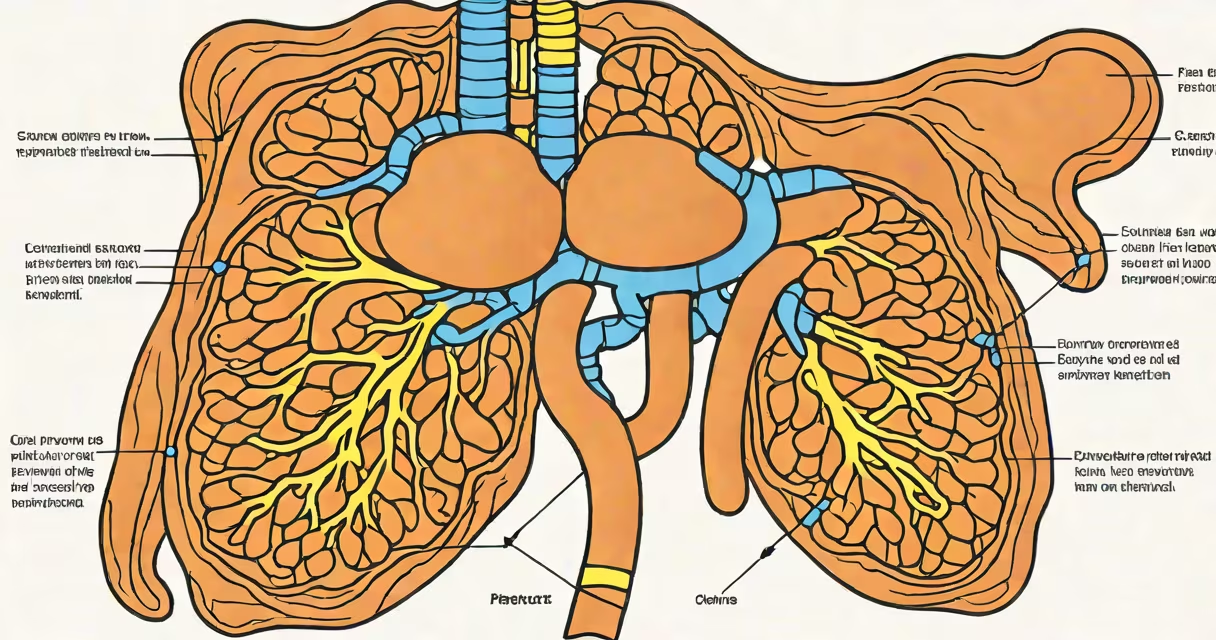
The pancreas is a long, flat organ situated across the back of the upper abdomen, primarily on the left side behind the stomach. It spans from the duodenum on the right to the splenic flexure of the colon on the left, with most of its body and tail lying on the left side.
It sits deep in the retroperitoneal space, meaning it's behind the peritoneum lining the abdominal cavity. This placement makes it difficult to feel during physical exams unless enlarged due to disease. The pancreas measures roughly 15 cm in length and weighs about 80 grams in adults.
Despite common belief, the pancreas is not a bilateral organ. Its head is near the right side of the abdomen, nestled around the duodenum, while the body and tail extend leftward toward the spleen. This asymmetry explains why pain from pancreatic conditions often presents on the left side.
The pancreas performs two critical roles: exocrine and endocrine. Exocrine functions involve producing digestive enzymes-such as amylase, lipase, and proteases-that travel through the pancreatic duct into the duodenum to break down carbohydrates, fats, and proteins.
Endocrine functions center on hormone production. Specialized cells called islets of Langerhans release insulin and glucagon directly into the bloodstream. Insulin lowers blood glucose levels after meals; glucagon raises them during fasting. These hormones regulate energy metabolism throughout the body.
When the pancreas fails to produce enough insulin, diabetes mellitus develops. Chronic inflammation from alcohol abuse or genetic mutations can lead to pancreatitis-a painful condition marked by sudden onset of severe upper abdominal pain radiating to the back.
The pancreas lies adjacent to several important organs. To the right, it borders the duodenum and the head of the pancreas rests within the C-shaped curve of the duodenum. To the left, the body and tail pass close to the spleen and the splenic artery runs along its upper border.
It also lies beneath the transverse colon and above the left kidney. The superior mesenteric artery and vein run anterior to the pancreas, and the portal vein forms behind it. These relationships make surgical procedures involving the pancreas highly complex.
A non-obvious fact: the pancreaticoduodenal arteries supply blood to the head of the pancreas, but the body and tail receive their blood from branches of the splenic artery. This vascular arrangement affects outcomes in trauma and surgery.
Many people assume the pancreas is on the right side because the liver and gallbladder are prominent on the right. However, the pancreas crosses the midline and extends farther left than right. Pain from acute pancreatitis typically begins in the upper middle or left upper quadrant, not the right.
Another frequent mix-up involves confusing the pancreas with the spleen. Both sit on the left side of the abdomen, but the spleen is an immune organ that filters blood and stores platelets. The pancreas is a digestive and metabolic regulator. They're separated by the peritoneum and the splenic flexure of the colon.
Use this comparison to distinguish:
| Feature | Pancreas | Spleen |
|---|---|---|
| Primary function | Digestive enzymes and blood sugar control | Blood filtration and immune response |
| Location | Upper abdomen, mostly left side | Left upper quadrant, behind the stomach |
| Size | ~15 cm long | ~12 cm long, oval |
| Vascular supply | Superior mesenteric and splenic arteries | Splenic artery |
In my clinical experience, patients often report vague upper abdominal pain and assume it's related to the liver or gallbladder. After reviewing imaging, I've seen cases where the diagnosis was delayed because the pain originated from the pancreas, which lies deeper and less visibly than the gallbladder.
For example, a 45-year-old man presented with severe epigastric pain radiating to his back after heavy drinking. Blood tests showed elevated amylase and lipase. A CT scan confirmed edema and swelling in the body and tail of the pancreas-classic signs of acute alcoholic pancreatitis. His symptoms were localized to the left upper quadrant, not the right.
This case illustrates why understanding organ positioning matters. Misplacing the pancreas leads to incorrect triage. If clinicians assume all upper abdominal pain is gallbladder-related, they may miss life-threatening conditions like pancreatitis or pancreatic cancer.
Knowing where the pancreas is located helps interpret imaging, understand symptom patterns, and guide accurate medical decisions. It's not just a detail-it's essential for diagnosing and treating serious conditions.