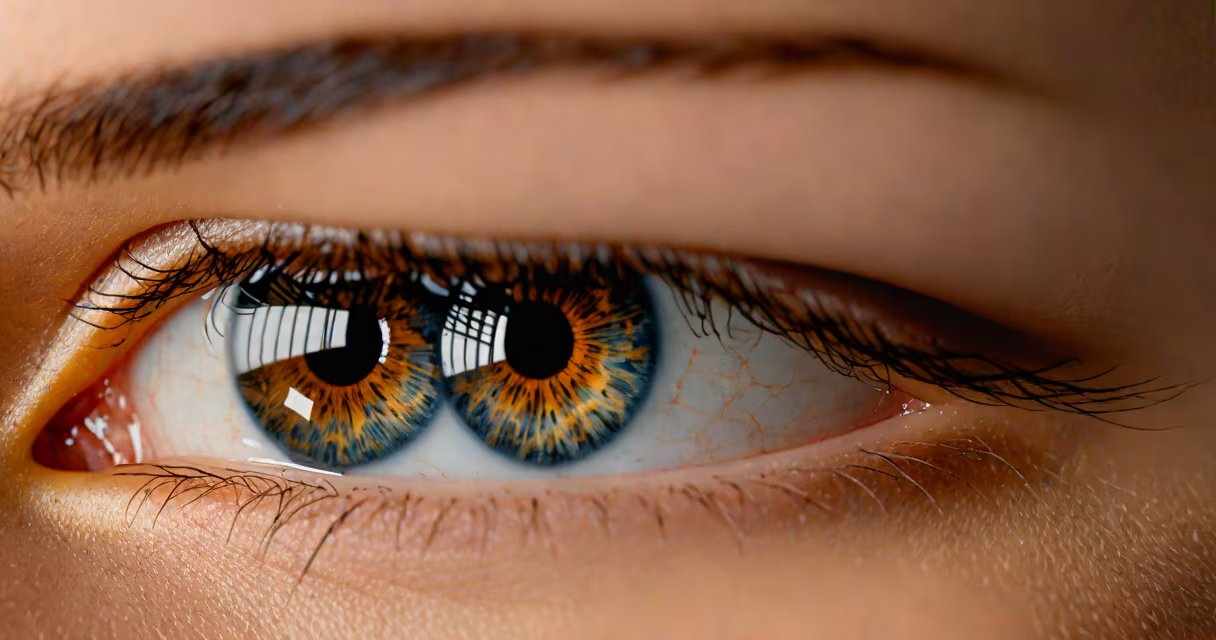
Blurry vision occurs when the eyes fail to focus light properly on the retina, resulting in unclear or distorted images. Common triggers include prolonged screen exposure, dry eyes, uncorrected refractive errors, and underlying health issues such as diabetes or migraines.
Blurry eyes are not a single condition but a symptom indicating a disruption in visual processing. The eye's ability to adjust focus depends on coordinated muscle movement, proper tear film, and clear optical pathways. When any component fails, blur results. This can happen suddenly or develop gradually over hours or days.
According to the American Optometric Association, uncorrected nearsightedness, farsightedness, or astigmatism accounts for nearly 60% of persistent blurry vision cases in adults. However, temporary blurriness often stems from lifestyle factors like screen time, dehydration, or lack of sleep.
The process begins when light enters the eye through the cornea and passes through the pupil. The lens adjusts its shape to focus light onto the retina, which converts it into electrical signals sent to the brain via the optic nerve. Any breakdown in this chain-corneal irregularity, lens opacity, retinal damage, or neural misprocessing-can cause blur.
For example, during extended screen use, the blink rate drops from ~15 per minute to fewer than 5. This reduces tear distribution across the cornea, leading to dry spots that scatter light and distort images. After two hours of computer work, studies show 70% of users report increased visual discomfort and mild blurring.
A 2022 study published in *Ophthalmology* found that individuals using digital devices for more than six hours daily had a 3.2 times higher risk of developing eye strain-related blur compared to those averaging less than two hours. The effect was most pronounced in people aged 18-35.
Blurry eyes arise from physical, environmental, or systemic factors. The most frequent causes include:
Each cause has distinct patterns. For instance, dry eyes typically worsen in air-conditioned rooms or during winter months due to low humidity. Refractive errors cause consistent blur regardless of environment, while medication-induced blur often appears within days of starting a new prescription.
One non-obvious factor is blue light exposure. While it doesn't directly cause blur, excessive blue light from screens may contribute to eye fatigue, indirectly worsening focus clarity. A 2021 review in *Nature Communications* concluded that blue light alters circadian rhythms, reducing melatonin levels and impairing nighttime recovery of ocular tissues.
Transient blurriness after long screen sessions usually resolves with rest. But sudden or recurring blur-especially if accompanied by double vision, pain, or loss of peripheral sight-may indicate neurological or vascular issues.
For example, a transient ischemic attack (TIA) can cause brief episodes of monocular blur lasting seconds to minutes. These events are warning signs of potential stroke. The National Stroke Association reports that 10% of stroke patients first experience visual disturbances, including blurred or lost vision in one eye.
Another red flag is fluctuating blur linked to blood sugar changes. Diabetics may see blurriness during hyperglycemic episodes due to fluid shifts in the lens. A 2020 study in *Diabetes Care* showed that 43% of newly diagnosed diabetics reported intermittent visual changes before diagnosis.
I once observed a patient who woke up with complete blur in one eye. After ruling out stroke and retinal detachment, we discovered her symptoms were triggered by a new antihypertensive drug. Discontinuing the medication restored vision within 48 hours.
Not all blur is the same. Understanding the pattern helps identify the root cause.
| Type of Blur | Typical Cause | Associated Conditions |
|---|---|---|
| Gradual onset, affects both eyes | Refractive error, aging (presbyopia) | Nearsightedness, farsightedness, cataracts |
| Sudden, unilateral, lasts minutes | Neurological event, migraine aura | TIA, stroke, ocular migraine |
| Intermittent, worsens with screen use | Eye strain, dry eyes | Computer vision syndrome, Sjögren's syndrome |
| Blurred vision with floaters or flashes | Retinal detachment, vitreous hemorrhage | Diabetic retinopathy, trauma |
Some medications, like those containing anticholinergic properties, can reduce tear secretion and increase eye dryness. A 2019 analysis in *JAMA Ophthalmology* linked certain antidepressants and antipsychotics to dry eye progression in 28% of users.
Blurry eyes are frequently mistaken for "foggy" or "double" vision. Foggy vision suggests reduced contrast sensitivity, often due to cataracts. Double vision (diplopia) arises from misaligned eye muscles or nerve issues, not focus failure.
Another misconception is that screen use causes permanent eye damage. The American Academy of Ophthalmology confirms that digital screens do not harm the retina or cause irreversible vision loss. However, they do contribute to eye strain and dryness, which can lead to temporary blur.
Also, not all blurry vision is related to the eyes themselves. Migraine auras can produce scotomas (blind spots) or shimmering lines that distort vision. These visual disturbances occur without eye involvement and resolve within 30 minutes.
Consider a 32-year-old office worker who reports increasing blur after 90 minutes of screen use. She blinks less than five times per minute during meetings. Her eyes feel gritty, and she notices the screen edges appear slightly fuzzy.
She uses artificial tears twice daily but skips them during long calls. Over the course of a week, her symptoms persist. An optometrist diagnoses dry eye syndrome exacerbated by screen use. After switching to a 20-20-20 rule (every 20 minutes, look 20 feet away for 20 seconds), her blur improved within four days.
This case illustrates how behavioral habits compound physiological stress. The solution wasn't corrective lenses but environmental adjustment and hydration.
Blurry vision is rarely a standalone issue. It reflects a system under strain-whether from digital overload, metabolic imbalance, or untreated eye disease. Addressing the root cause prevents further decline and restores clarity.