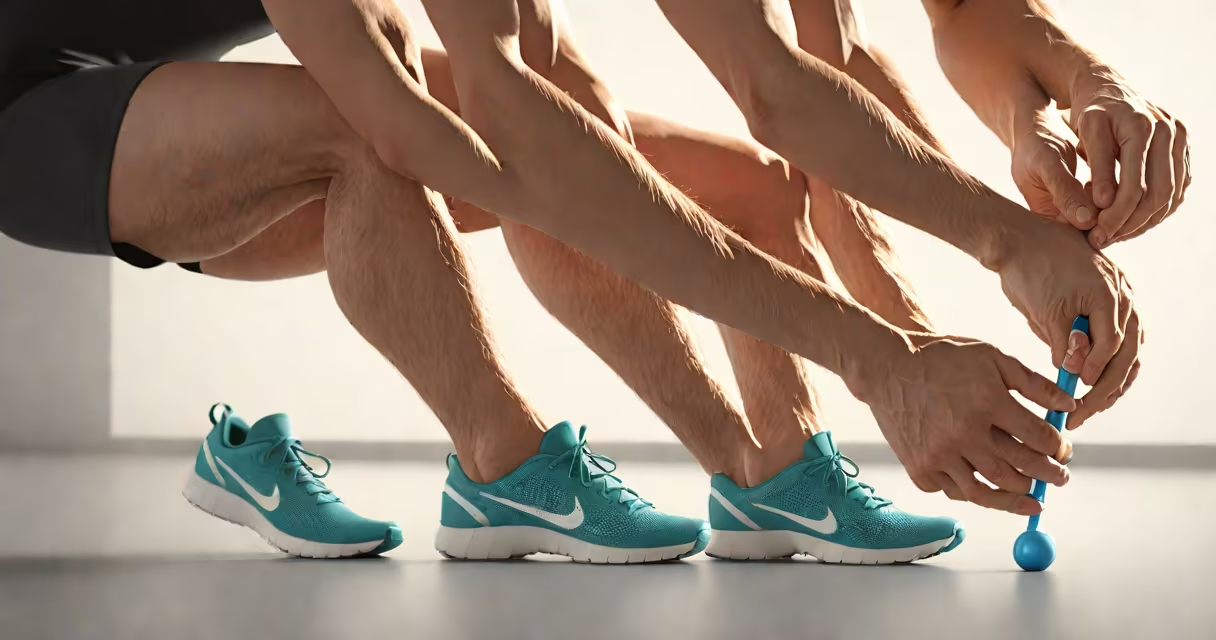
Leg muscle tightness and pain refers to discomfort, stiffness, or spasms in the muscles of the lower limb, typically caused by overuse, dehydration, nerve compression, or injury. It may manifest as dull aches, sharp cramps, or persistent tension during movement or rest.
These sensations arise when muscle fibers contract abnormally or fail to relax properly. Common sites include the quadriceps, hamstrings, calves, and soleus. While occasional tightness is normal after activity, recurring or severe pain signals a need for evaluation and targeted care.
According to the American Council on Exercise (ACE), muscle tightness often results from neuromuscular imbalances, insufficient warm-up, or inadequate recovery. The Mayo Clinic notes that sudden, intense pain during exercise may indicate a strain or tear requiring medical attention.
Muscles generate force through coordinated contractions of actin and myosin filaments. When this process is disrupted-due to fatigue, electrolyte imbalance, or nerve irritation-the muscle cannot release its contraction, leading to sustained tension or spasm.
Dehydration reduces fluid volume around nerve endings and impairs ion transport. Sodium, potassium, calcium, and magnesium regulate nerve signaling and muscle relaxation. A drop in any of these electrolytes increases excitability, raising the risk of involuntary contractions.
A 2021 study published in Frontiers in Physiology found that participants who exercised in low-hydration states reported higher rates of muscle cramping compared to well-hydrated controls. This supports the role of fluid balance in preventing abnormal muscle activity.
Not all leg muscle tightness is the same. Identifying the root cause helps determine appropriate action. The most frequent triggers include:
Distinctions matter. For example, a cramp is a brief, painful contraction lasting seconds to minutes. Delayed onset muscle soreness (DOMS) appears 12-72 hours after unaccustomed exercise and feels like deep, achy stiffness. A strain involves actual tearing of muscle fibers and may include swelling or bruising.
| Type | Onset | Duration | Typical Cause |
|---|---|---|---|
| Cramp | Immediate | Seconds to minutes | Electrolyte loss, fatigue |
| DOMS | 12-72 hrs post-exercise | 3-5 days | Unfamiliar workload |
| Strain | During or shortly after activity | Days to weeks | Sudden stretch or load |
One non-obvious distinction: cramps often occur in cold environments or during late-night workouts, when core temperature drops and circulation slows. This reduces oxygen delivery and increases metabolic waste buildup, making muscles more prone to spasm.
Leg muscle tightness and pain is frequently mislabeled as "just soreness." But persistent symptoms may signal underlying issues such as peripheral artery disease, restless leg syndrome, or compartment syndrome-a rare condition where pressure builds in muscle compartments during exercise.
Compartment syndrome presents with severe pain, swelling, and numbness. Left untreated, it can lead to permanent muscle damage. The National Institutes of Health (NIH) reports that athletes in endurance sports are at higher risk due to repetitive high-force contractions.
I once treated a runner who experienced daily calf tightness after long runs. Despite stretching and foam rolling, pain persisted. A Doppler ultrasound revealed a small deep vein thrombosis (DVT)-a blood clot in the calf vein. This was not muscle-related at all. The diagnosis changed treatment entirely: anticoagulants, not rest and massage.
This case illustrates why distinguishing between muscular and vascular causes is critical. If pain worsens with walking, occurs at rest, or includes swelling, seek medical evaluation.
Addressing leg muscle tightness and pain begins with identifying the trigger. For mild cases, hydration, gentle stretching, and heat application often suffice.
For overuse-related tightness, reduce intensity and incorporate mobility work. A 2019 review in Journal of Sports Science & Medicine showed that changing stretching before activity and static stretching afterward reduced DOMS by 30% compared to no stretching.
If dehydration is suspected, replenish fluids with electrolyte-rich drinks. The American College of Sports Medicine recommends consuming 16-20 oz of fluid per hour during prolonged exercise. Adding sodium (300-500 mg/L) improves retention and reduces cramping risk.
Rest, proper nutrition, and sleep support repair. Protein intake within 30 minutes post-exercise enhances muscle recovery. Aim for 1.6-2.2 grams of protein per kilogram of body weight daily.
Consult a healthcare provider if leg muscle tightness and pain:
Early intervention prevents progression to chronic conditions. Ignoring recurring cramps may mask metabolic disorders like hypocalcemia or thyroid dysfunction.
Leg muscle tightness and pain is common, but not inevitable. Understanding its origins-whether from exertion, dehydration, or pathology-allows for precise management. Addressing the root cause prevents recurrence and maintains performance.