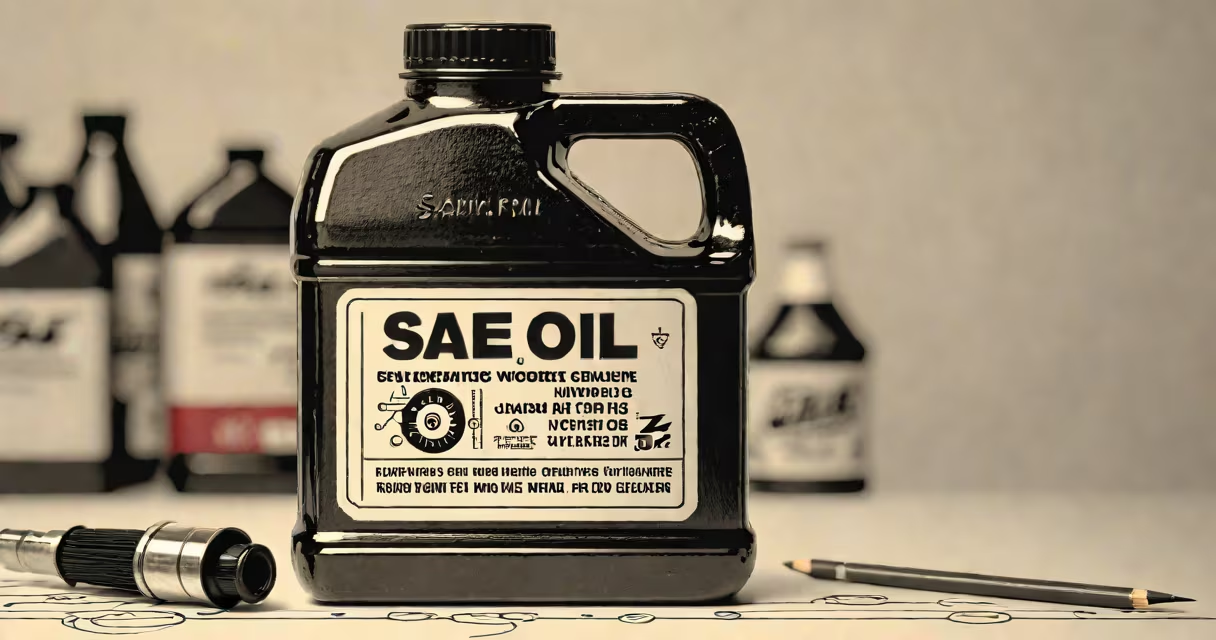
Use the oil grade and type recommended in your vehicle's owner manual, matching both the SAE viscosity rating and API service classification. Most cars require 5W-30 or 0W-20 synthetic or conventional oil, depending on engine design and climate.
Engine oil reduces friction between moving parts, prevents sludge buildup, and keeps internal components cool. Using the wrong oil can cause accelerated wear, reduced fuel economy, or engine failure. The correct choice depends on viscosity, additive package, and base oil type.
Motor oil forms a thin film between metal surfaces in the engine, preventing direct contact during combustion cycles. Without this layer, pistons, crankshafts, and camshafts would grind against each other within minutes.
As the engine runs, oil circulates through passages, collecting heat and contaminants. It then passes through a filter before returning to the sump. Over time, oil degrades due to oxidation, thermal stress, and contamination from combustion byproducts.
Modern engines rely on precise oil flow rates and pressure. A mismatched viscosity can lead to poor cold-start lubrication or inadequate high-temperature protection. For example, using 10W-40 in a turbocharged engine designed for 0W-20 may result in delayed oil delivery and increased bearing wear.
Motor oils fall into three categories: conventional, synthetic blend, and full synthetic. Conventional oil is refined from crude and contains more impurities. Synthetic oils are chemically engineered for consistent performance under extreme conditions.
Synthetic oils have better low-temperature fluidity and higher resistance to breakdown at high temps. They maintain their viscosity longer and resist sludge formation. Full synthetics typically last 10,000 to 15,000 miles between changes, while conventional oils often require replacement every 3,000 to 5,000 miles.
| Type | Base Oil | Typical Lifespan | Best For |
|---|---|---|---|
| Conventional | Mineral-based | 3,000-5,000 mi | Older vehicles, mild driving |
| Synthetic Blend | Mixed mineral/synthetic | 5,000-7,500 mi | High-mileage engines, moderate climates |
| Full Synthetic | 100% synthetic | 10,000-15,000 mi | Modern engines, turbocharged, extreme temps |
During a routine oil change at my local shop, I noticed a 2018 Honda Accord with 60,000 miles still running 0W-20 synthetic oil. The mechanic confirmed it met the manufacturer's specification and had no signs of sludge or metal particles. This aligns with Honda's recommendation for extended drain intervals with synthetic oil.
The SAE (Society of Automotive Engineers) rating indicates viscosity at different temperatures. The first number (e.g., 5W) shows cold-flow performance; the second (e.g., 30) shows high-temperature stability. A 5W-30 oil flows easily in sub-zero weather and maintains adequate thickness at 250°F.
Understanding what does SAE mean in motor oil clarifies why multigrade oils exist. Single-grade oils like SAE 30 were standard in older engines but fail in winter. Multigrade oils use viscosity modifiers-polymers that expand and contract with temperature-to maintain performance across ranges.
API (American Petroleum Institute) service classifications define performance standards. For example, SN and SP are current standards for gasoline engines. SP offers improved protection against low-speed pre-ignition (LSPI), a problem in turbocharged downsized engines. Using an oil rated below your engine's requirement risks premature wear or catalytic converter damage.
Many drivers assume "higher viscosity = better protection." This is false. Over-viscous oil increases drag, reducing fuel efficiency and increasing engine heat. It can also starve components during startup if it doesn't flow quickly enough.
Another error is assuming synthetic oil is always superior. While full synthetics offer benefits, using a high-performance oil in an older engine not designed for it can cause seal swelling or leaks. Always follow OEM recommendations.
A lesser-known fact: some manufacturers specify oil with a specific additive package, such as zinc dialkyl dithiophosphate (ZDDP). High-ZDDP oils protect flat-tappet camshafts in vintage engines. Modern oils reduce ZDDP levels to protect emissions systems, making them unsuitable for classic cars with pushrod engines.
Start with your owner's manual. Look for the recommended viscosity (e.g., 5W-30) and API rating (e.g., SP). If the manual says "5W-30, API SP," use that exact specification.
Climate matters. In Alaska, 0W-20 performs better than 5W-30 in winter. In Arizona, 10W-40 resists thinning at highway speeds better than 5W-30. But don't change viscosity based on season unless the manual allows it.
For example, a 2022 Toyota Camry LE uses 0W-20 synthetic oil. Switching to 5W-30 may trigger the oil life monitor early and reduce fuel economy by 1-2 mpg. The engine's variable valve timing system relies on precise oil pressure, which thicker oil disrupts.
After changing oil in my 2015 Subaru Outback, I discovered the dipstick showed a slight amber tint after 4,000 miles. This was normal. The oil hadn't degraded-just oxidized slightly. I didn't replace it early because the manual allows 7,500-mile intervals with synthetic oil.
Buy oil from reputable retailers. Auto parts stores, dealerships, and certified online vendors carry verified products. Avoid bulk containers labeled "premium" with no brand or certification.
Store oil upright in a cool, dry place. Exposure to sunlight or freezing temperatures can degrade additives. Once opened, use within 12 months. Contaminated oil loses effectiveness faster.
When disposing of used oil, never pour it down drains or onto soil. Take it to a recycling center. What do they do with recycled motor oil? It gets re-refined into base stock for new oil, reducing waste and energy use. Re-refining uses 75% less energy than refining crude.
Always match the oil specification to your vehicle's needs. Using the right what motor oil to use ensures longevity, performance, and compliance with warranty requirements.